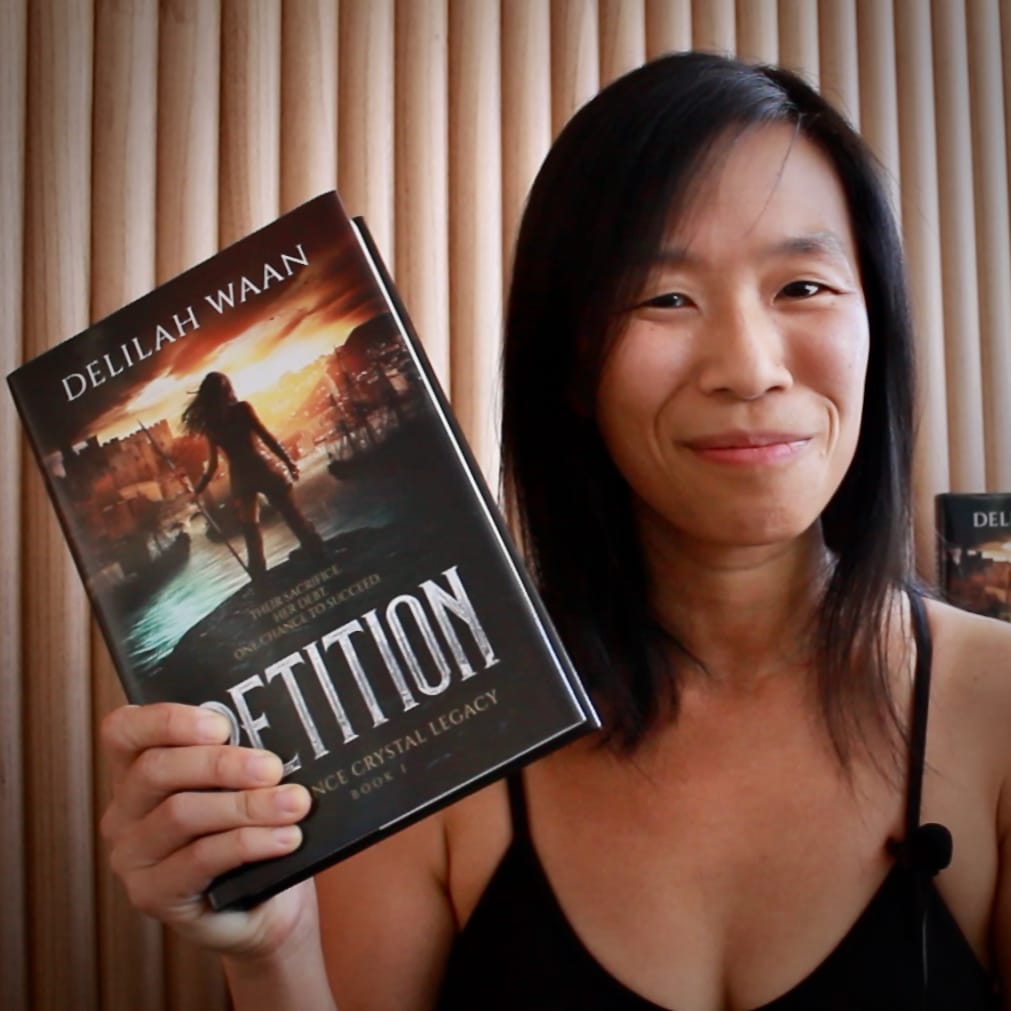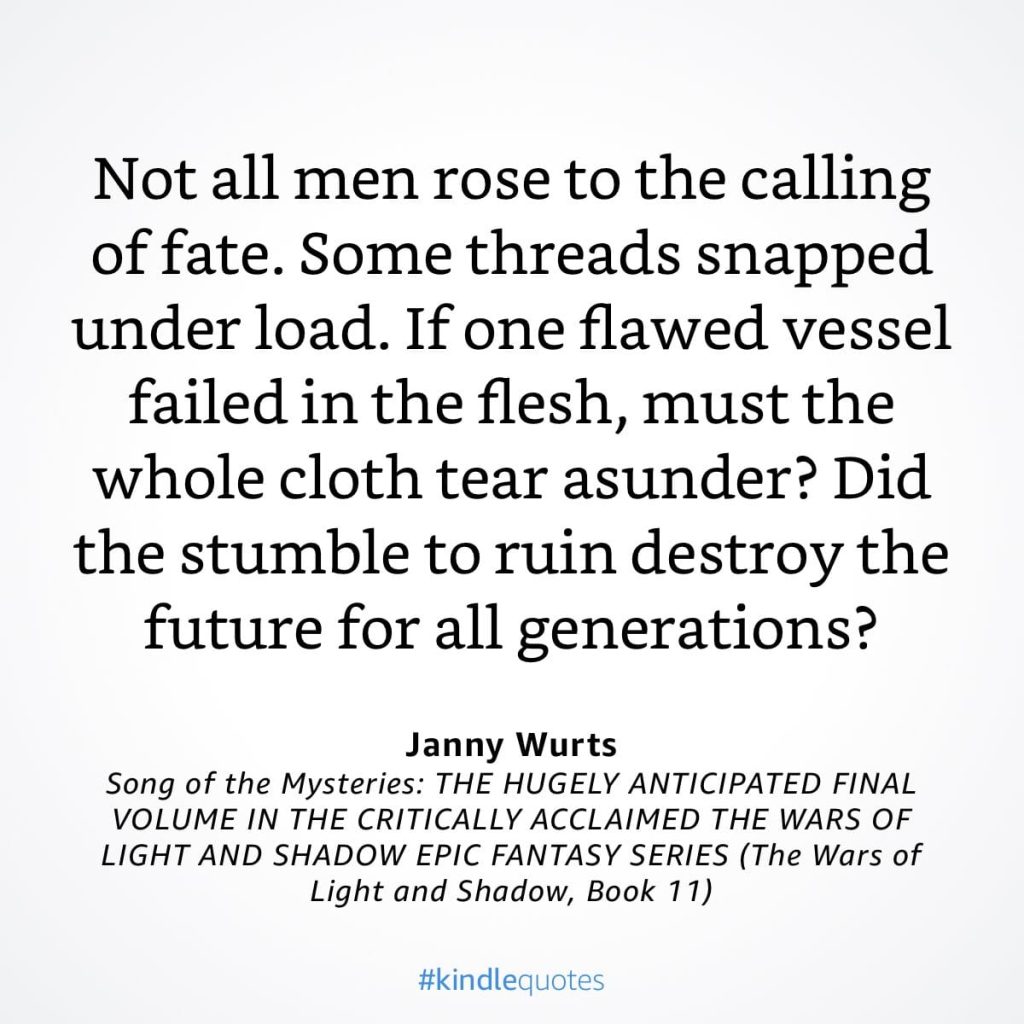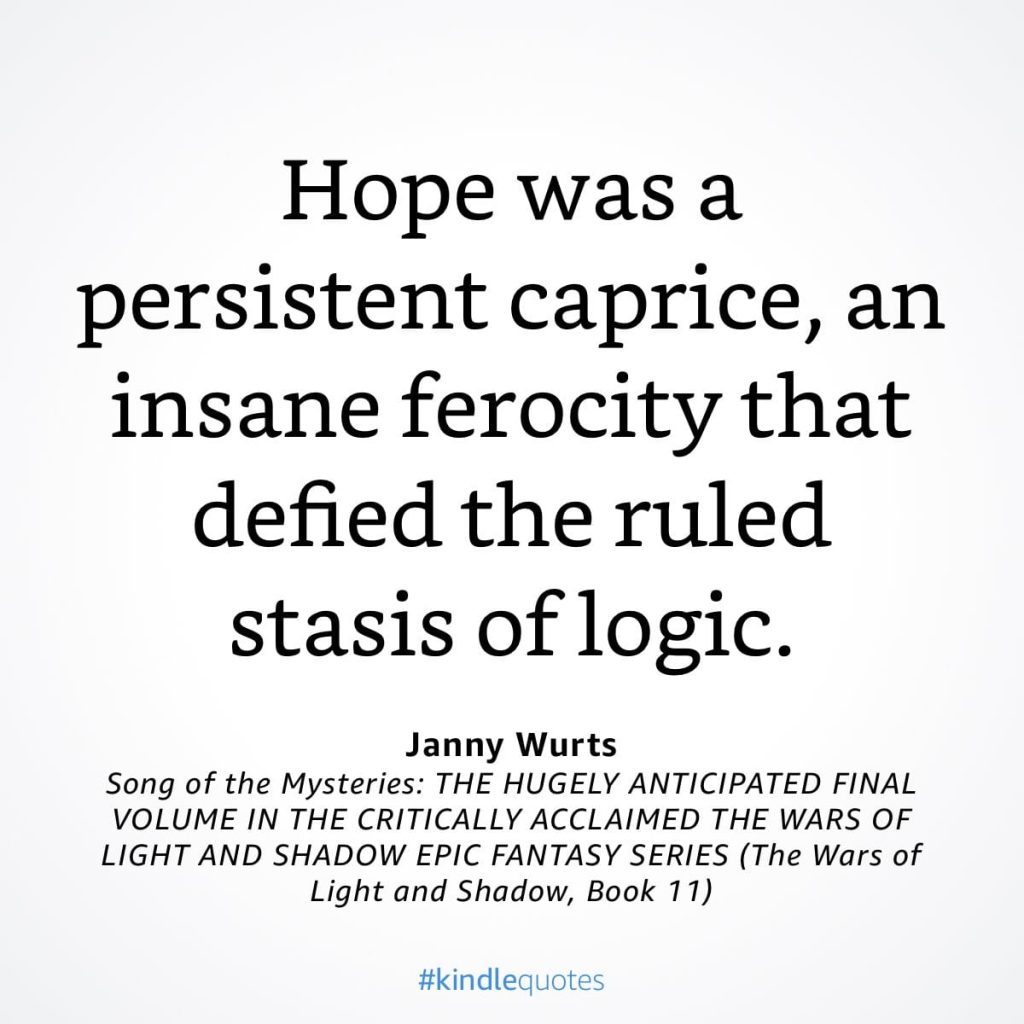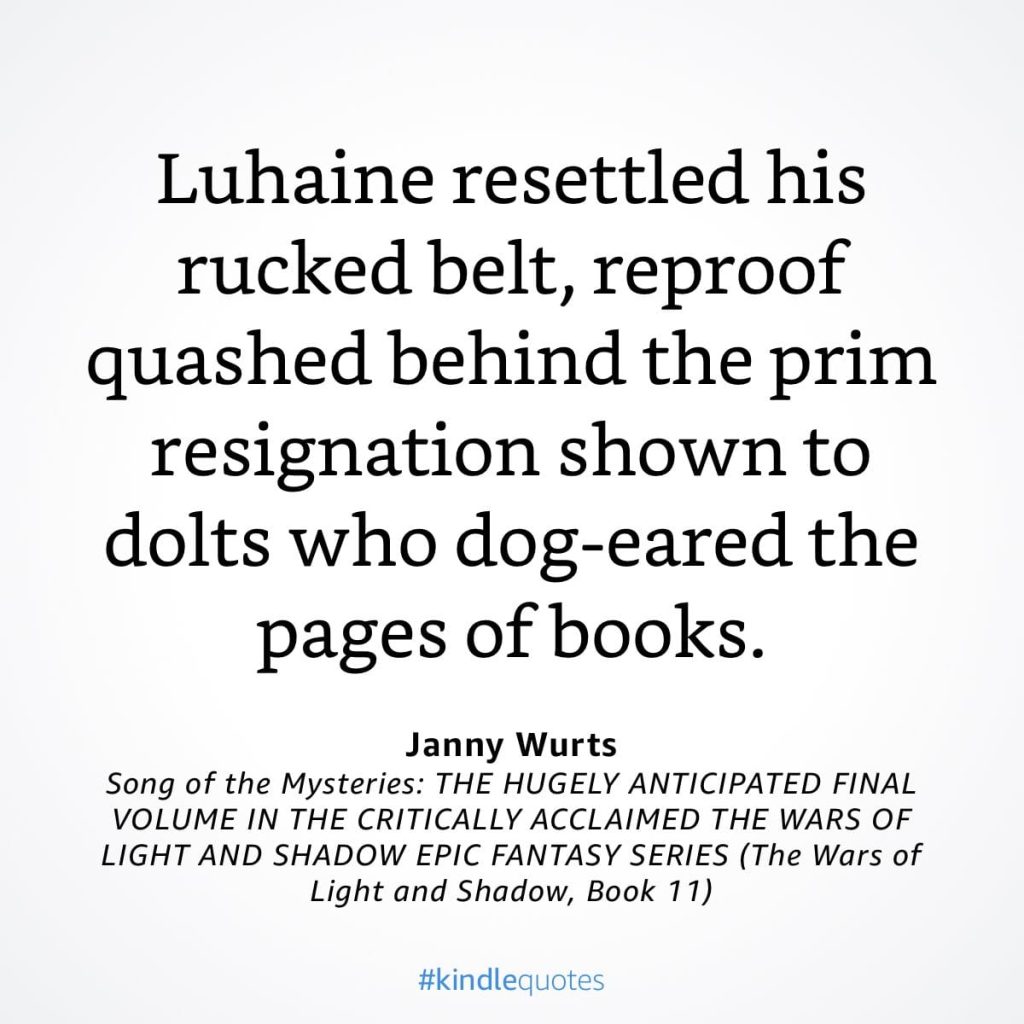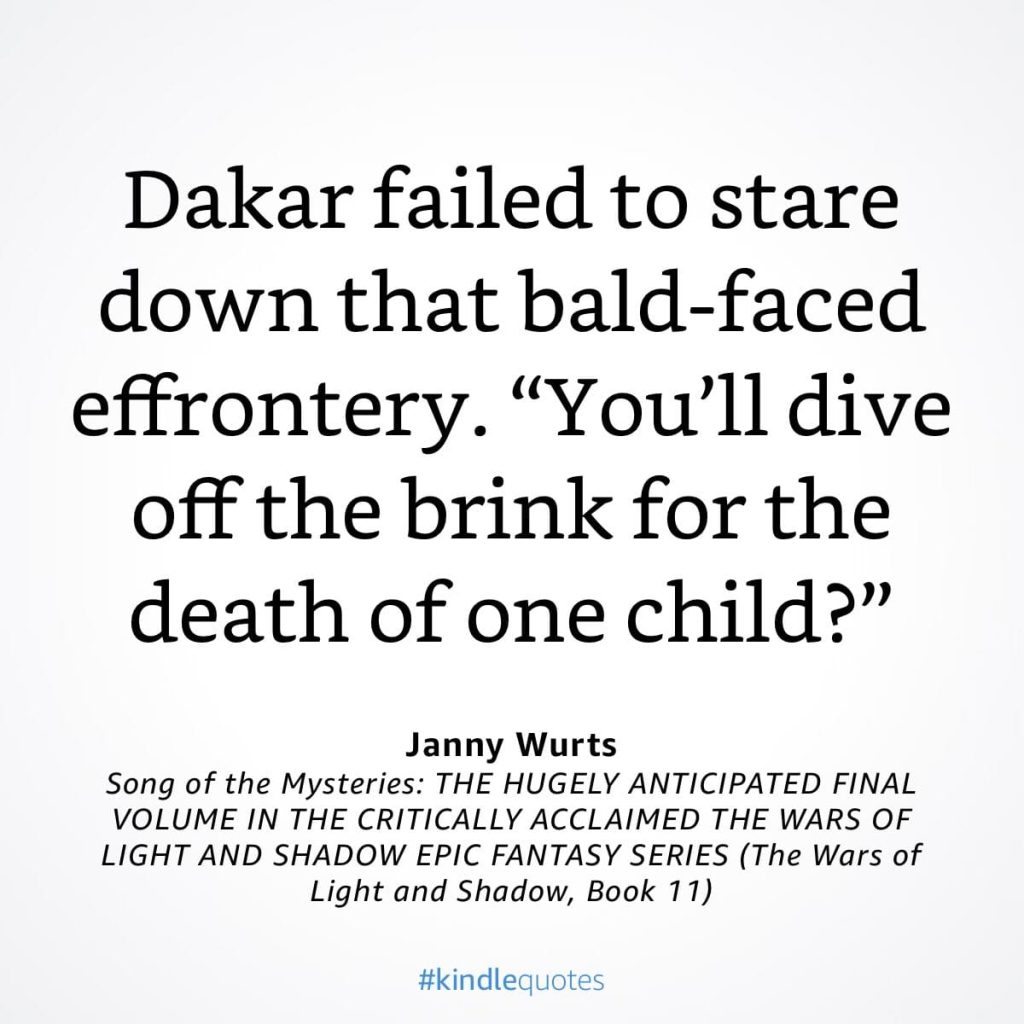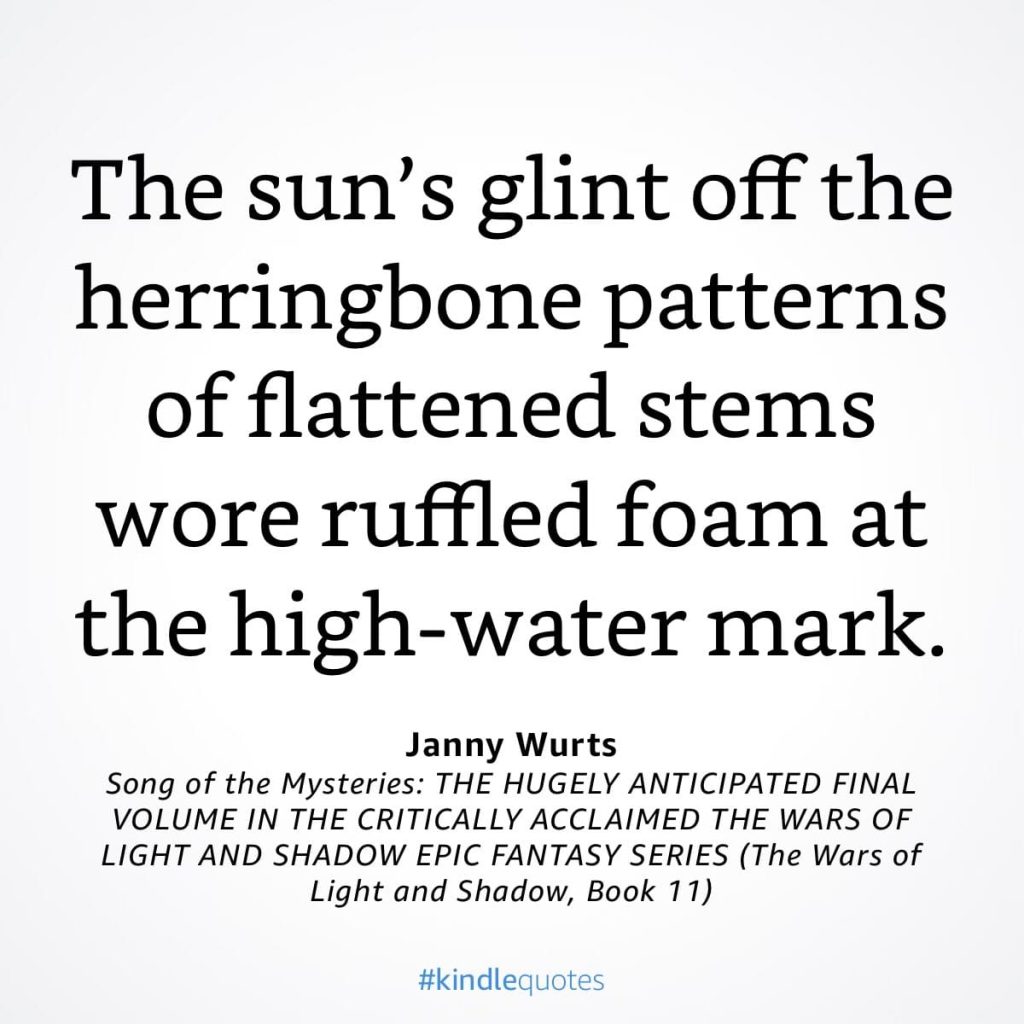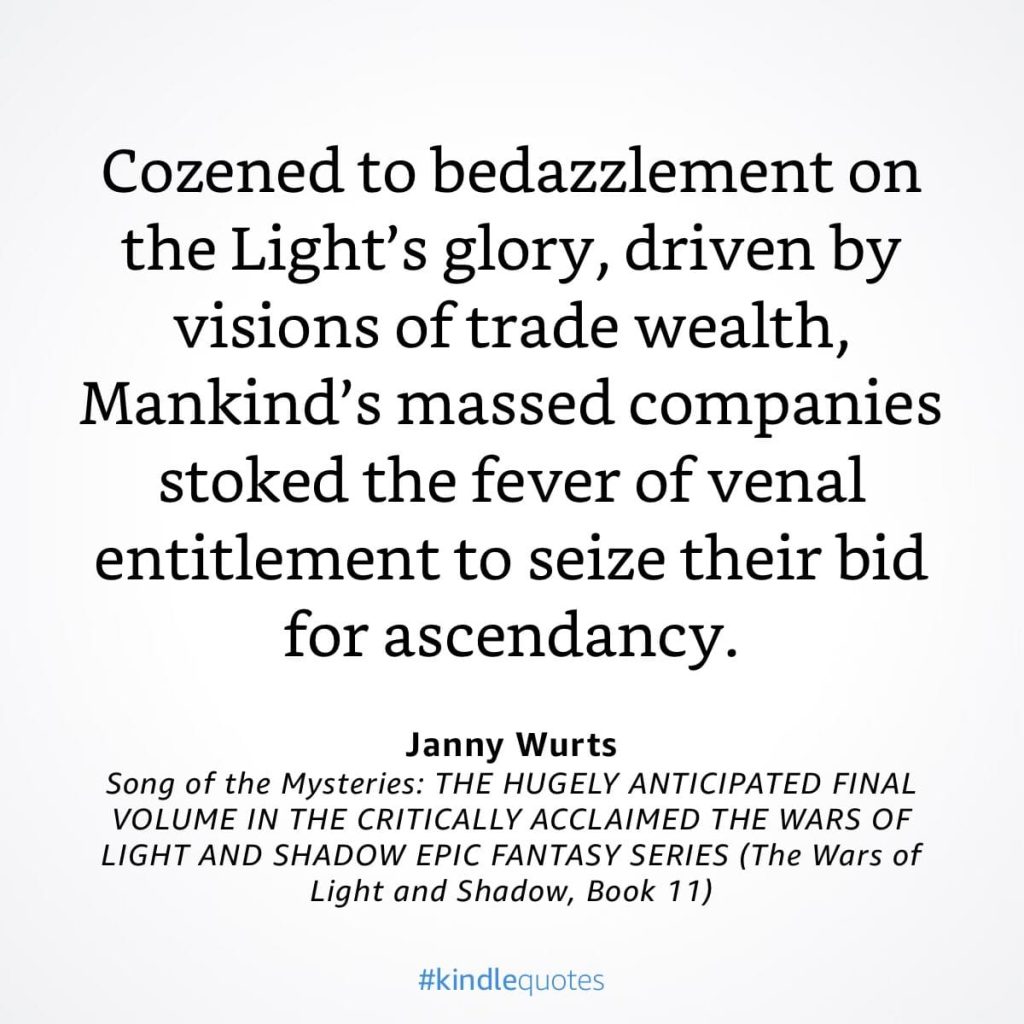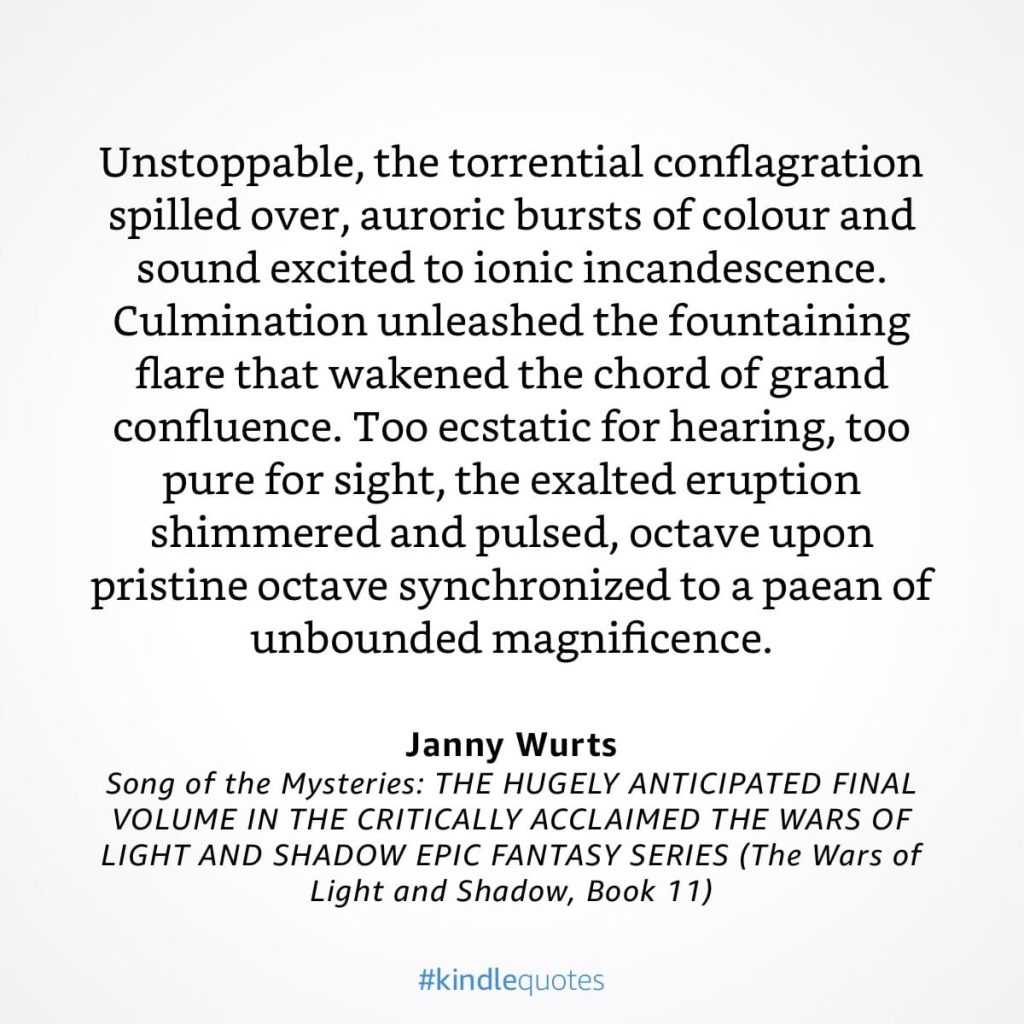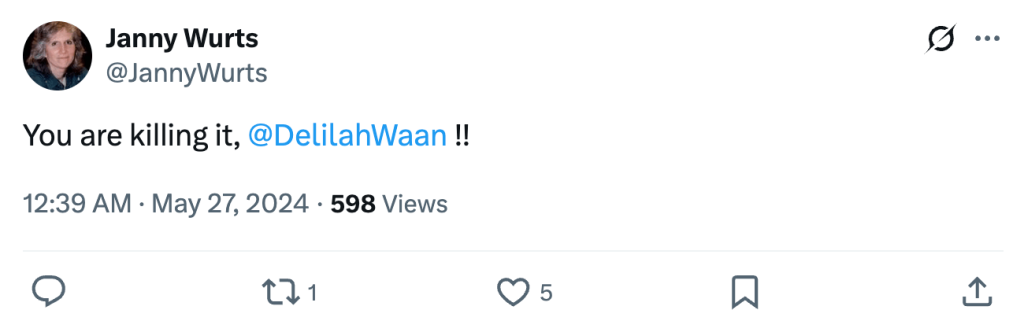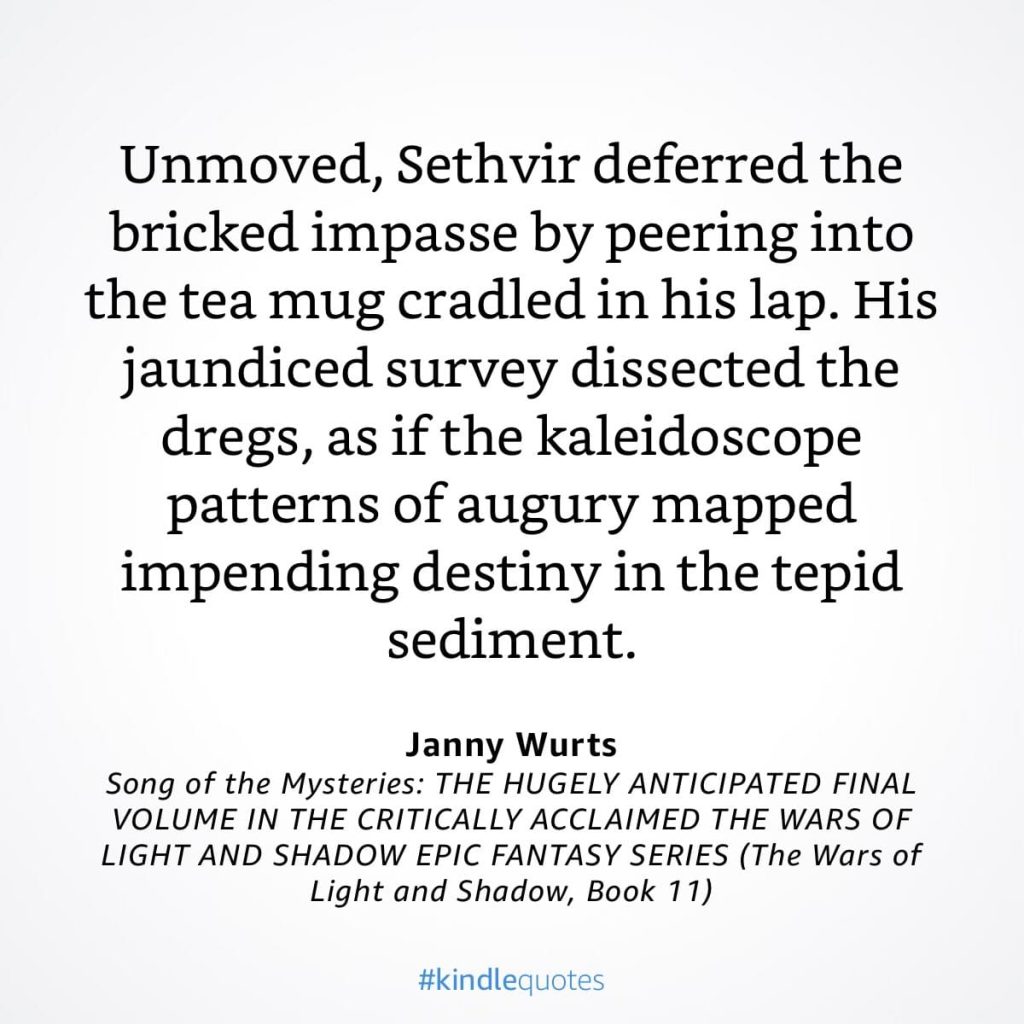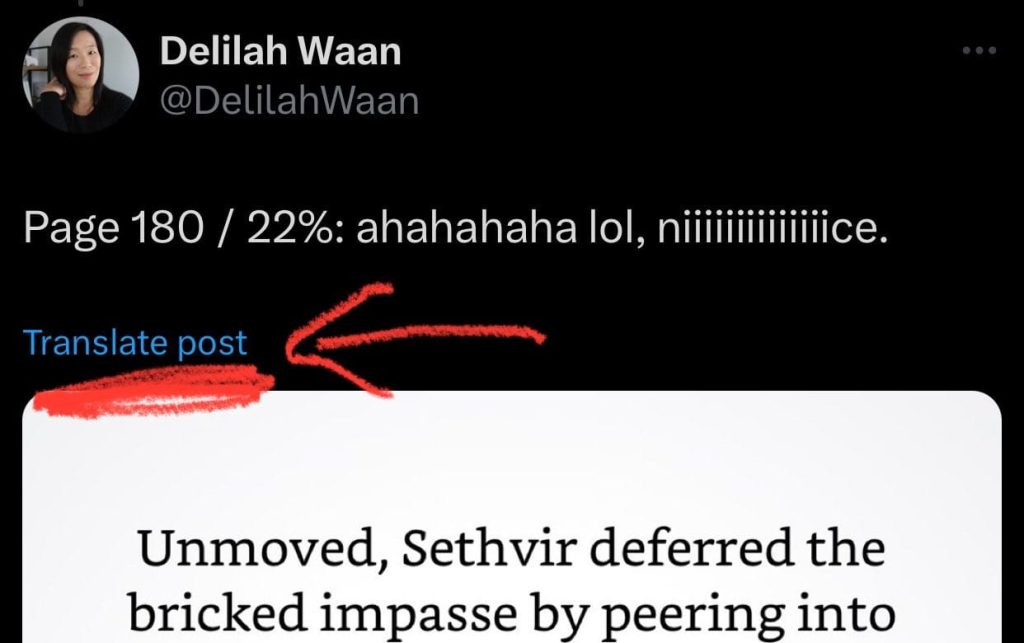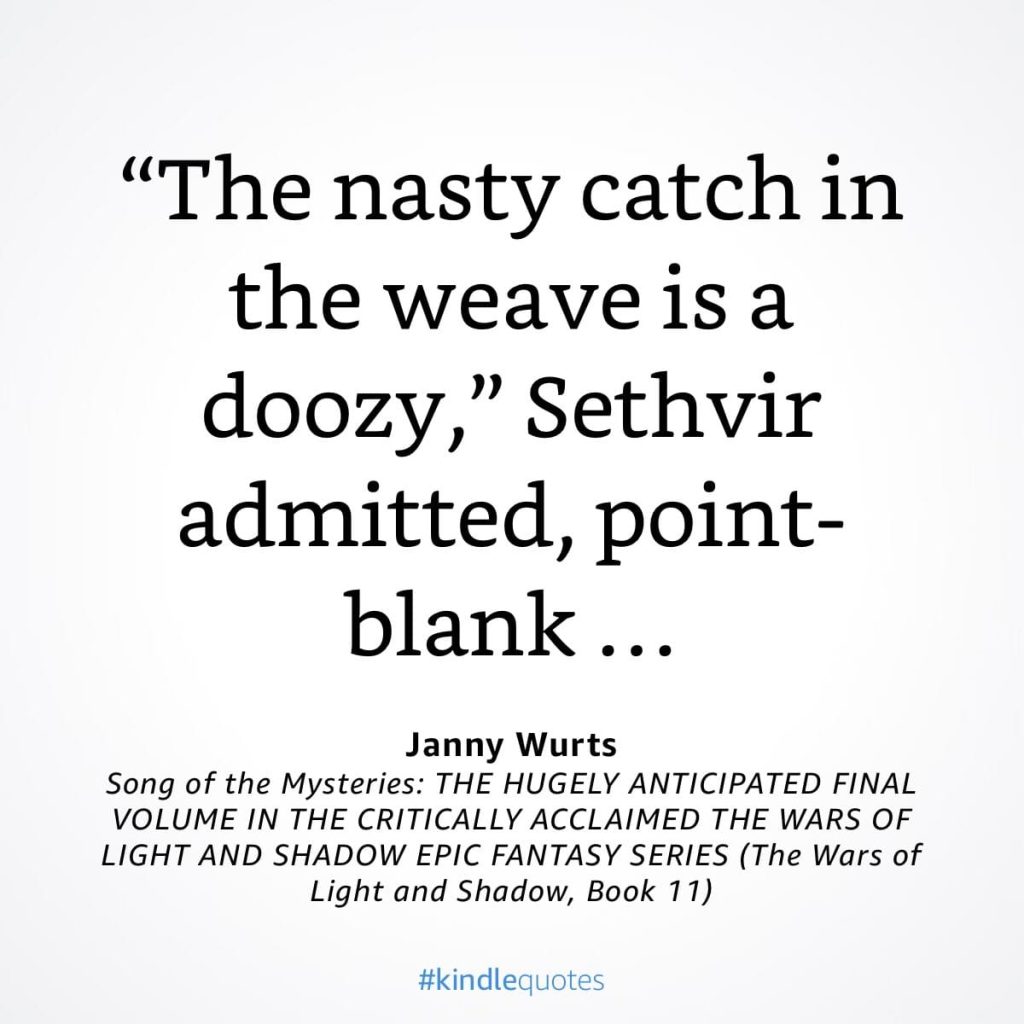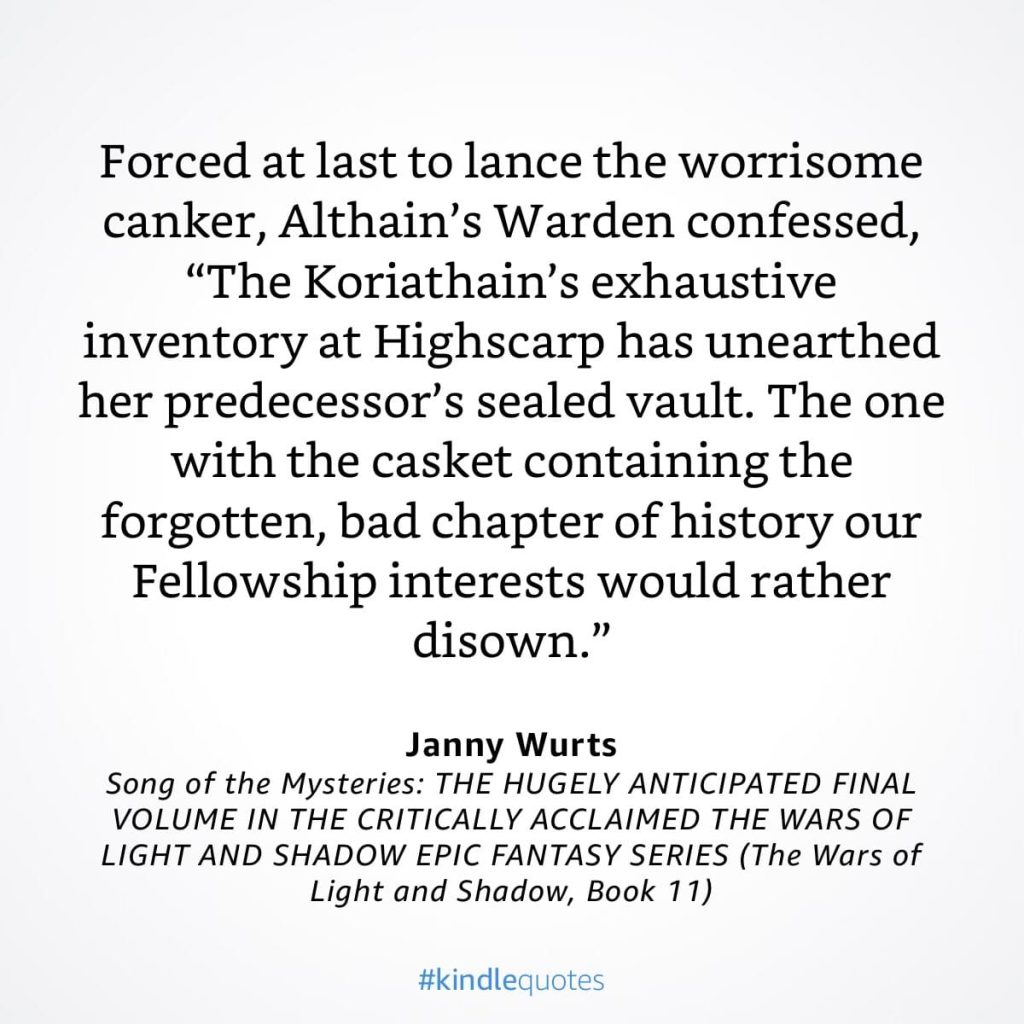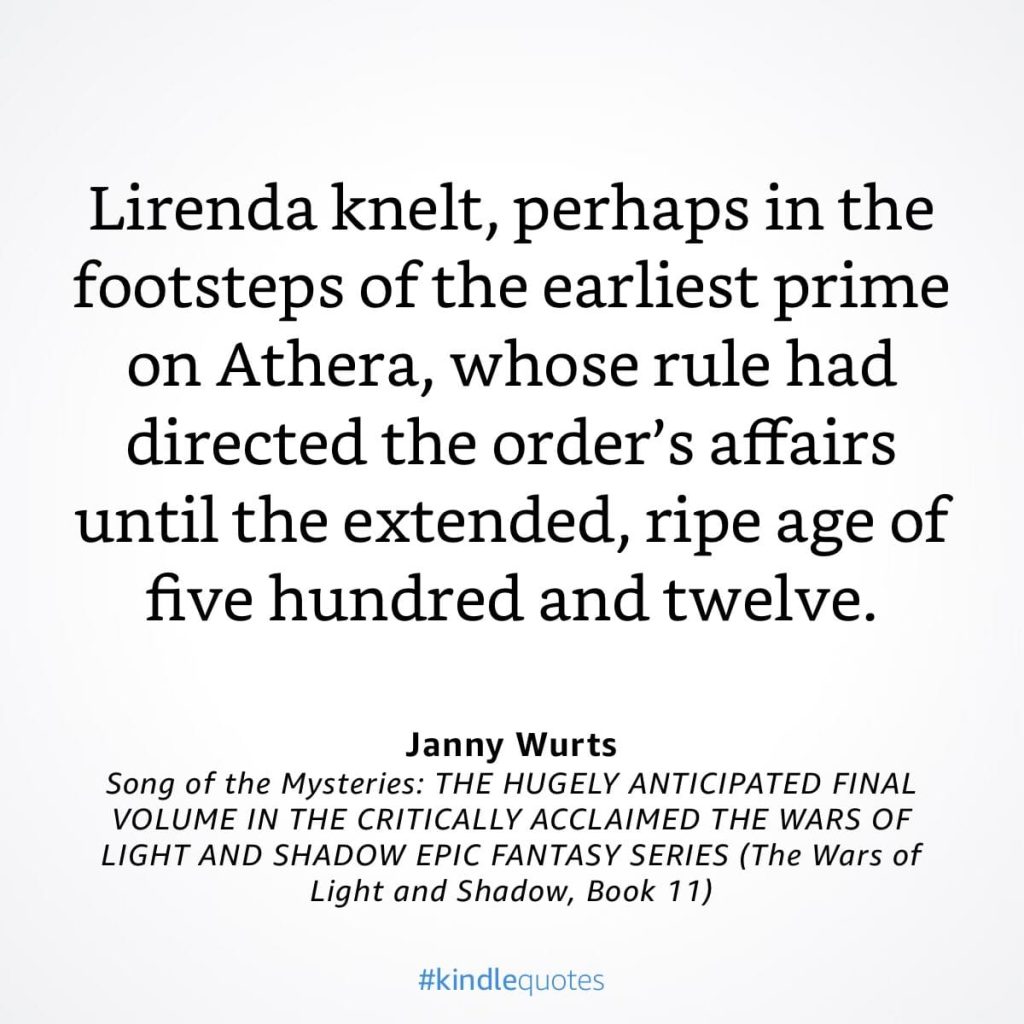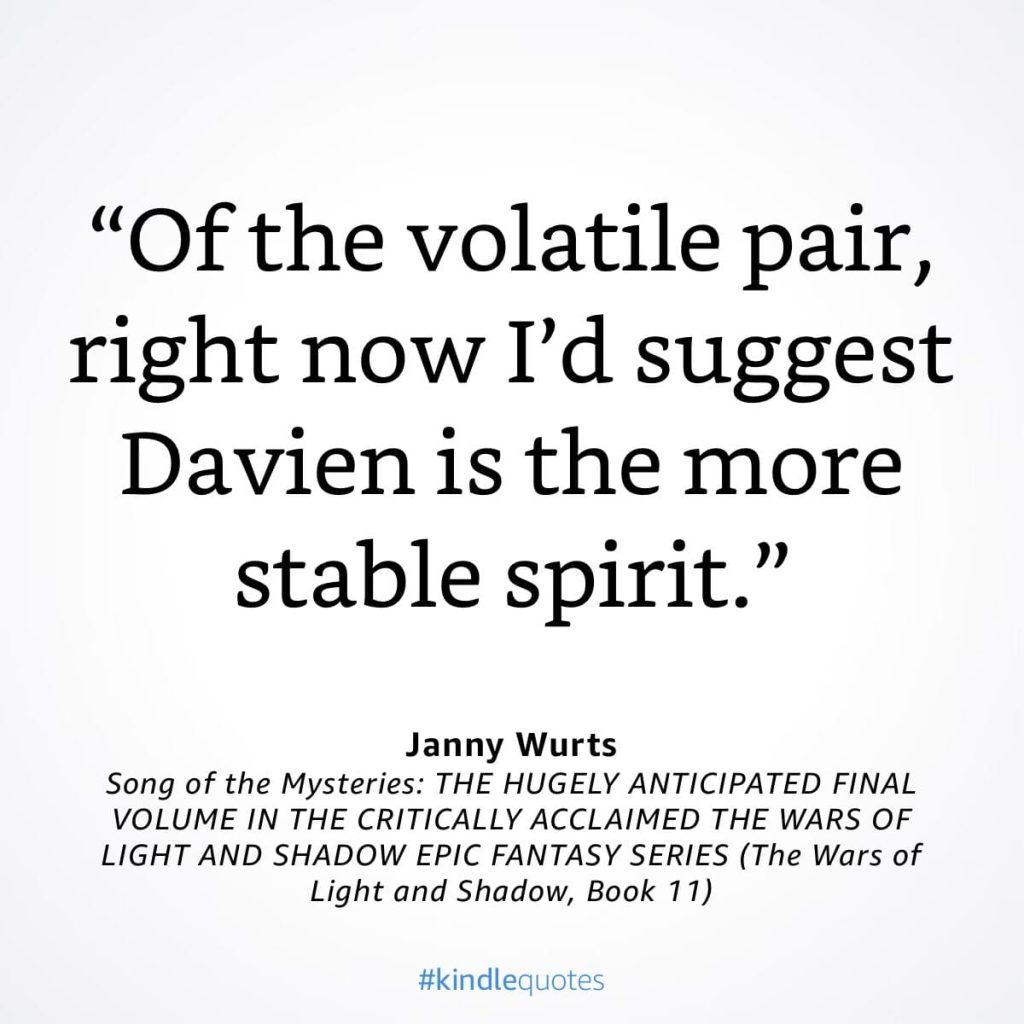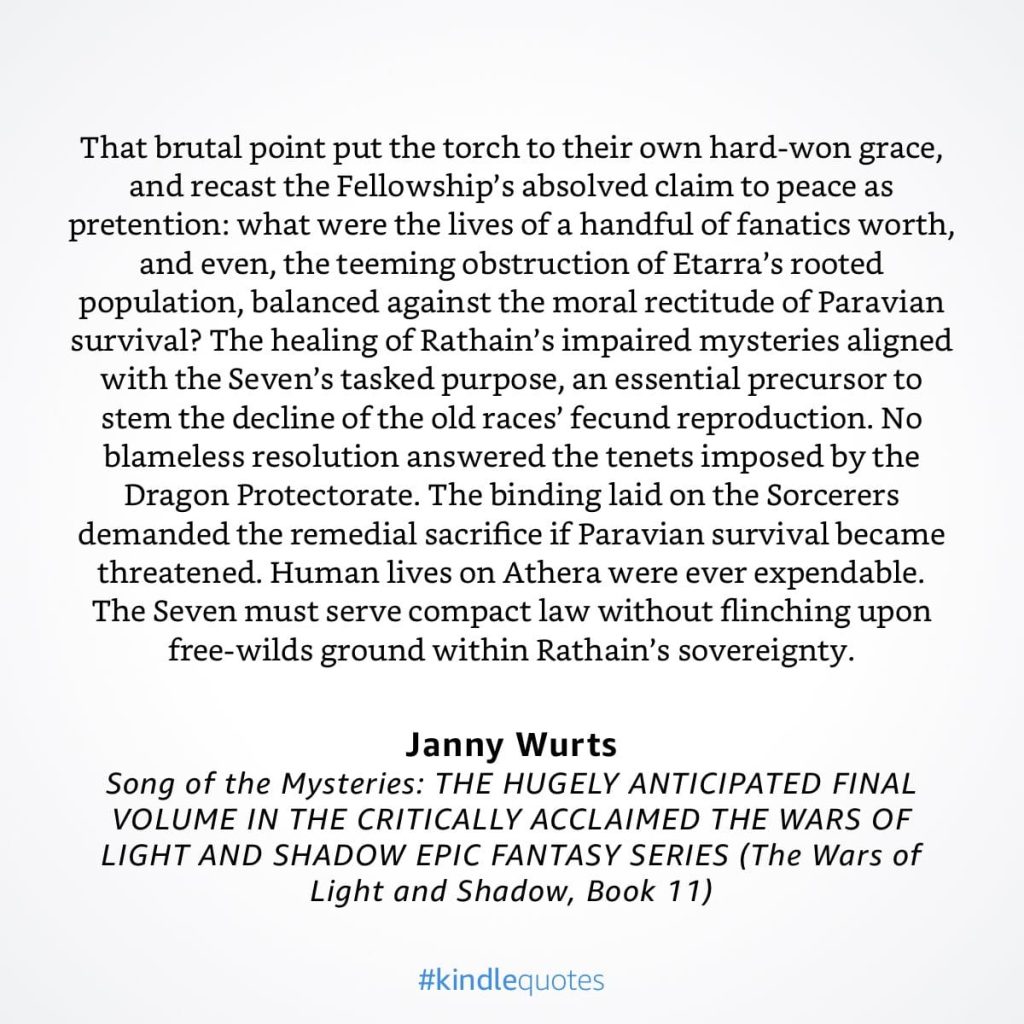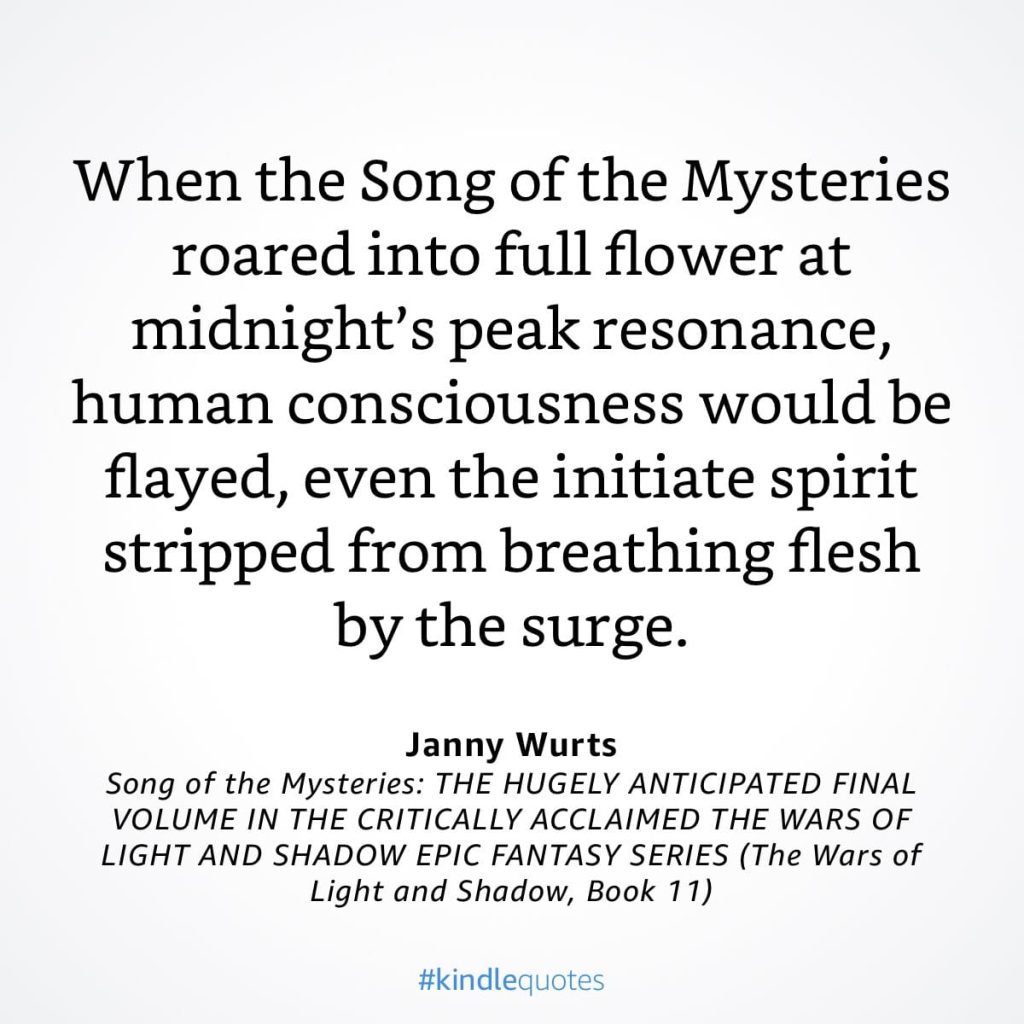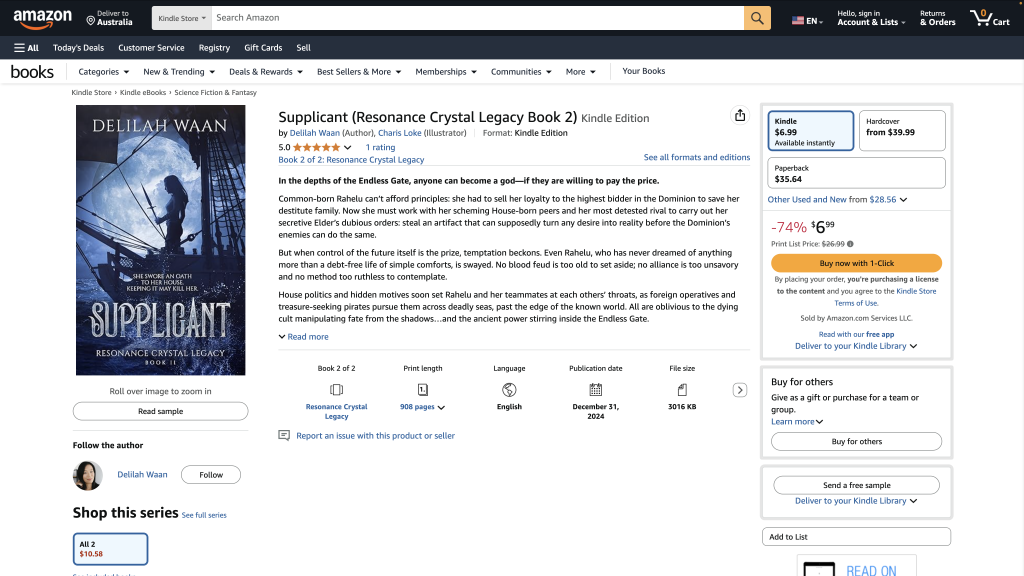
“magic school with teeth and rivalry, and an underdog with a mind of her own”
—Janny Wurts, author of The Wars of Light and Shadow
Author: Delilah Waan
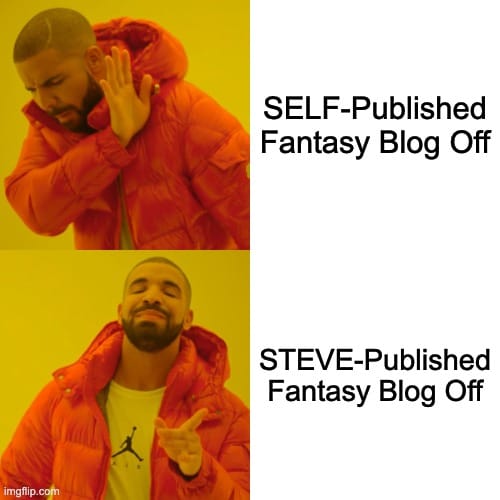
STEVE-Published Fantasy Blog Off
Written by
Delilah Waan
As of 2025, I permanently moved over to Bluesky and effective from 17 January 2026, I have deleted all of my Twitter posts due to the changed terms of service.
Some of my most popular threads, such as this one, I have preserved on my website (with minor edits, for accessibility and ease of reading) for posterity.
Back when I was working on a Broadway musical, I noticed an interesting pattern in the names of some famous composers: Stephen Sondheim, Stephen Schwartz, Stephen Flaherty…
Surely just a weird coincidence? At any rate, I joked for a while that, maybe, to find success I ought to change my name to “Stephanie”.
Fast forward a few years.
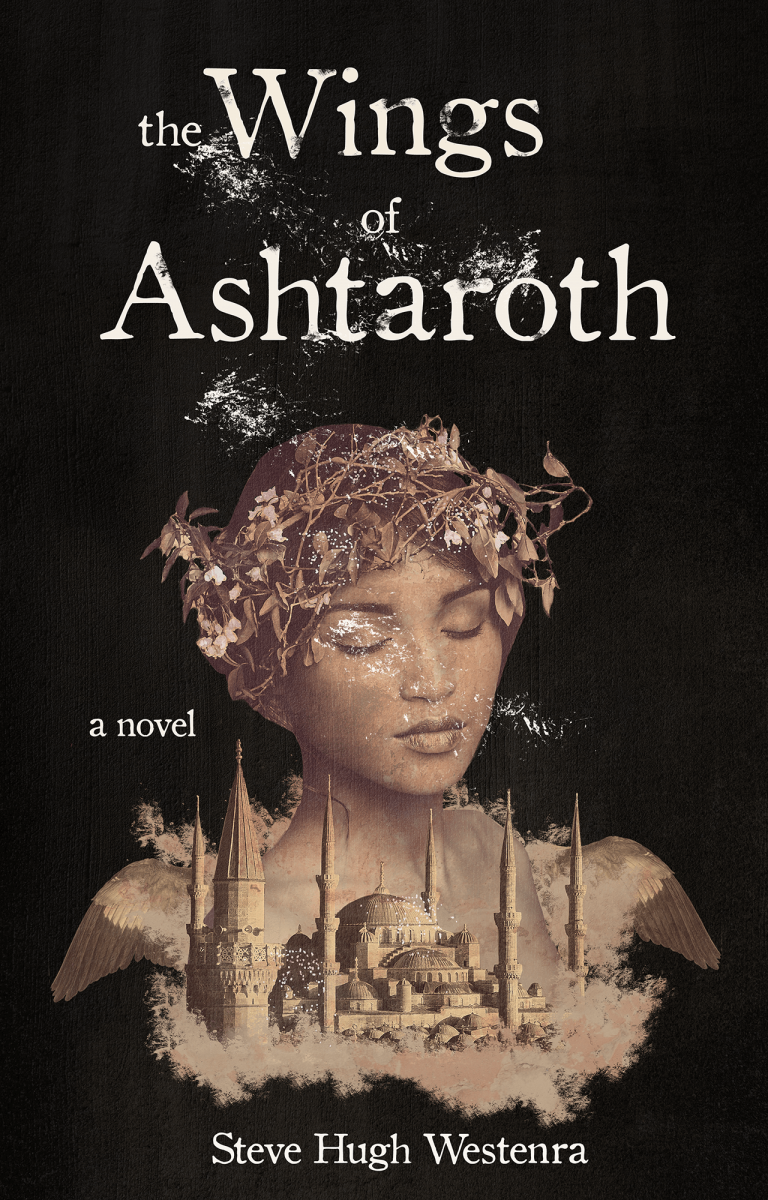
I enter Petition into the 2023 Self-Published Fantasy Blog-Off contest and notice another interesting pattern in the names of the fellow authors in the SPFBO9 cohort: Steve Hugh Westenra, Stephen Wolberius, Steven William Hannah, Steve D Wall, Steven Paul Watson…
🤨🤨🤨🤨🤨
Presenting the thread that nobody asked for: every SPFBO entry from SPFBO1 through to SPFBO9 under a “Steve”, “Steven”, “Stephen”, “Stefan”, “Stevens”, “Stephanie”, etc in the byline.
—Delilah.
There’s 5 Ste/ve/n/phens in #SPFBO9. I wondered how many were in #SPFBO total.
BEHOLD the 🧵 nobody asked for: every entry under a “Steve”, “Steven”, “Stephen”, “Stefan”, “Stevens”, “Stephanie”, etc in the byline.
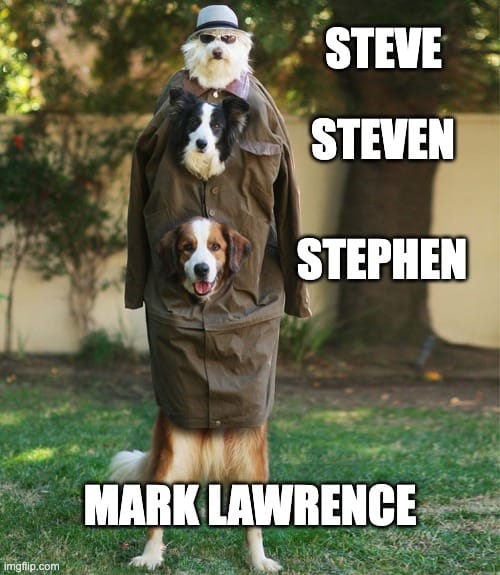
(h/t @EASchechter for the @Mark__Lawrence meme idea)
I’ll start with the OG cohort in #SPFBO1 & work my way up to the current #SPFBO9 to feature:
Author headshot (if they have one)
The cover of their #SPFBO entry (from ‘Zon or Goodreads)
An excerpt of their blurb
If I can find ’em I’ll tag ’em!
SPFBO1
Steve Thomas with Klondaeg the Monster Hunter.
“Klondaeg teams up with outlandish adventurers to battle lycanthropic garden gnomes, mummified Elves, a cybernetic bird-man, an acid-drooling wizard, & an army of gold-devouring demons.”
Sounds like a hilarious read!
Steve Muse with Heir of Nostalgia.
“A Gathering Darkness is…about a young prince cast into exile 400 years in the making, a throne empty through treason, & a country silenced by forces unimaginable.”
LONG blurb on GR promising time travel shenanegians.
Steven Roy with Black Redneck vs The Space Zombies.
“The Devourer and her Space-Zombie minions have destroyed untold planets.
Those worlds didn’t have a Black Redneck.”
Apparently it’s zombie/horror/sci-fantasy, so if you’re looking for a #Spooktober read…
Steve S Grant with Conqueror’s Law.
Listed on the original SPFBO1 Phase 1 page as an allocation to Tyson Mauermann of The Speculative Book Review, but no longer available anywhere.
Perhaps it’s been unpublished or re-released under a new title/byline?
Stephanie Caine with Stormshadow.
The pitch on @stephanie_cain’s website says it all: “Self-rescuing princesses, woman pirates, stormwitches…oh, and maybe the end of the world.”
BRB, adding this to my #TBR rn.
@EJStevensAuthor with Burning Bright.
“Things aren’t going well at the offices of Private Eye. Demon problems, pyromaniacal imps, out of control powers attracting the attn of both the Seelie & Unseelie courts.”
YA UF/PNR which is not my thing. Maybe it’s yours?
Anthony Stevens with Shifter Shadows.
“From the dawn of prehistory to an apocalyptic day after tomorrow, shifters and their friends have been in the background of every historical event.”
V. eclectic body of work & impressive creds in psychology per GR. 🤯
Steve Diamond from @ElitistReviews wasn’t an entrant; he was a judge! He’s also the author of Residue:
“Residue follows 17-year-old Jack Bishop after his father is abducted & a monster is let loose in his small town.”
A horror/thriller fantasy for #Spooktober.
The tally so far, in descending order of frequency:
…and I thought 5 in #SPFBO9 was a lot! Anyway. Onwards to #SPFBO2.
SPFBO2
Steve Turnbull with Elona: Patterner’s Path.
“Prophecy says ten-year-old Lady Elona of Faerholme will defeat an invading army…After 6 yrs of political manoevring, Elona’s carefully planned future shatters into a waking nightmare.”
Epic/Sword & Sorcery!
That’s all for #SPFBO2, unless we count Steve Diamond as a judge again. (Nope, no double counting individuals across years!)
“Flame-wielding warriors have been the last line of defense against the nightmare creatures of the World Apart. But their light is fading, & few remain…”
By a kickboxing & karate champ? The fight scenes must ROCK!
Stephan Morse (@FrustratedEgo) with Once Lost Lords.
Paraphrased blurb: Jay, a gang enforcer w/a vamp ex-gf & a troublemaking friend, tries to prove he’s still got his edge by collecting an overdue debt from some elf. Discovers he might not be human?
Looks UF!
Brian D. Anderson & Steven Savile with Akiri: The Scepter of Xarbaal.
“Those who dare test their will against [the Scepter]’s ancient evil are doomed to madness.”
Apparently has dragons?!
BTW @StevenSavile has written for Doctor Who, Stargate, & Warhammer.
R.A. Steffan with The Lion Mistress.
“The gods promised her a savior. The gods are a bunch of lying bastards.”
🤩 dat tagline!
From @RA_Steffan’s bio: families of choice, profound friendships, adventure, danger, good > evil. Lots of sex (mostly non-vanilla).
@stephanie_cain is back with Shades of Circle City.
UF set in Indianapolis, Indiana. Reader described as “a love letter to Indianapolis”.
Last line of the blurb: “Catch the crook, get the guy, & say a few Hail Marys just to be safe.”
Steven Harper Piziks (@StevenPiziks) with Danny.
“Can a teenager use the power of a god?”
Paraphrased ‘Zon review: UF retelling of Ganymede interwoven with the story of Danny, a teen whose single mother moves in with a pornographer.
Blurb has some dark stuff!
Steven Laidlaw (@theRealLaidlaw) with Pulse.
“Since terrorist attacks gave the military power to act on US soil, it’s made life hard for [pickpocket Alexandra Murray].”
@kittygbooks described it on GR as a fast paced spy thriller. YA dystopian by a fellow 🇦🇺!
Cumulative total to #SPFBO3:
5x “Steve” (4 entrants; 1 judge) 5x “Steven” 2x “Stevens” 1x “Stephanie” (2 entries in 2 yrs by same author) 1x “Stephan” 1x “Steffan”
15x total variants
A big increase in the no. of individuals going by “Steven”!
David Joel Stevenson with Victor Boone Will Save Us.
Blurb is GOLD but too long to post. Basically: insecure, overweight Robby Willis uses hunky hulk Victor Boone as his superhero beard but the dude’s been murdered.
BTW @geekoffgrid is also a singer/songwriter!
Steve Thomas returns with something v. diff to his #SPFBO1—The Sangrook Saga, a dark fantasy/horror.
“…warlords, necromancers, demon-worshipers, torturers, & monsters. The Sangrooks ruled half the world before they were defeated, but they were not eradicated.”
Jane Barlow Funk & Steven Boivie with The Pendant Path.
“Two teenagers. Two parallel worlds. Destined never to meet until they stumble upon the secret of the pendant path.”
Looks like a YA portal/urban fantasy!
Steve McKinnon with Symphony of the Wind.
“A bounty hunter with a death wish. A girl with fearsome powers. A kingdom on the brink of destruction.”
@SHRMcKinnon pitches it as: gritty epic fantasy with hardened heroes, thrilling action, dark magic & monsters!
Steve Rodgers with City of Shards.
Author pitches this series as “the story of a childhood left behind, a reconciliation with one terrible mistake from the past, and a quest for love ripped away.”
Has a messenger of the Demon Lord as the protag—pretty cool!
Steven Smith (@dragonsreclaim) with Dragon’s Reclaim.
I’m struggling to parse the blurb. Looks like the world united against dragons, then one kingdom tried to swallow the rest post-victory & story deals with that fallout.
Psst—@Nancy Foster 💉🇲🇽 gave it 4⭐️ on GR!
Stephan Morse (@FrustratedEgo) returns with Continue Online.
“[Grant] dives in headfirst [to an Ultimate Edition of Continue Online, playing as] an NPC deserving of a proper send off. What he discovers…shakes him to his very core.”
Looks like GameLit/LitRPG!
Stephen J. Coey with Scorpion’s Sting.
Paraphrased blurb: A wannabe hero, a jokester axeman, & a farmer on a quest are entangled by a prophecy that says one of them will die.
Free on Smashwords!
(Sorry @StephenCoey for the bar joke pitch; I am bad at this 😅)
21x total variants, several of whom have entered multiple times across multiple years!
SPFBO5
Robin Stephen with Brinlin Isle.
No idea how to summarize the blurb but this has tiny, water dwelling mythical creatures that humans can bond for magical powers.
Robin also writes cowboy horse romances under Stefani Wilder. Does that count for 2x points??
Steven Smith returns with Edgehaven.
It’s a missing person mystery in a seaside town on the west coast of the British Isles, with another 4⭐️ review on GR from @Nancy Foster 💉🇲🇽, who described it as “a [standalone] supernatural thriller”.
Another #Spooktober read!
Steve Turnbull (@adaddinsane) with The Dragons of Esternes.
“What value is freedom when you can’t even ride a dragon?”
Protag is Kantees, a slave responsible for the care of a racing dragon. How’s that for intriguing?
Stephanie Burgis (@stephanieburgis) with Snowspelled.
Blurb summary: first woman magician is snowed in with bickering gent magicians, lady pols, interfering family, & her stubborn ex-fiancé, while an evil elf-lord lurks outside. Oh BTW she’s lost her magic.
Stephan Morse (@FrustratedEgo) returns again with Hound of the Mountain.
“The weight of the world shouldn’t rest on a 17-year-old’s shoulders, but that’s what it feels like for Chase Craig.”
A rescue quest + tournament to join a band of monster hunters!
21x total, plus an hon. mention for one entrant’s alt pen name “Stefani” in another genre
SPFBO6
Stephen Murray with The Longest Shadow.
Blurb summary: the paths of a disgraced general, The Stillborn King, a spy-in-training converge in a succession crisis & a confrontation with ancient terrors.
@Fantasy-Faction’s review says there be gryphons & a giant 🐢!
Steve Thomas returns again with Mid-Lich Crisis.
“An evil wizard has a midlife crisis. Is trying to sacrifice your estranged wife to a bloodthirsty demon an irredeemable act of evil?”
BRB, sending this to an author I know with a WIP titled “Resting Lich Face”.
Anthony Stevens re-entered Shifter Shadows.
…which is, uh, a bit of a surprise. Including this for completeness but not gonna increment the counter.
Stephanie Barr with The Curse of the Jenri.
“Jenri women, every one from the eldest archivist to the smallest babe, strike fear into battle-hardened mercenary hearts.”
Looks like sword & sorcery!
PS: GUYS @Stephanieebarr is a FULL-TIME 🚀 SCIENTIST!!
Stephen James Wright with The Ninth Knight.
Middle-aged knight & 7 companions go on a quest which is hijacked by a mystery 9th knight.
Bio is v. apropos: “@SteveJWright1 uses his full name on his books, but has been described as one of nature’s Steves.” 😂🤣
Steven Smith (@dragonsreclaim) returns with Kingdom of Aces.
According to FB page: “Medieval fast-paced fantasy…Who dies and who rules, their fate is in your hands. Choose Ruby or Ebony.”
Is…is this CYOA fantasy in split novel form? 👀 STEVEN I HAVE Q’s!
Steve Curry with Austin Wyrd.
Magnus is a bouncer at a goth & heavy metal bar who gets caught up in a police investigation of a ritualistic looking murder. He’s also got a psychotic ex-gf with mystical powers & an immortal, vengeful ex-employer.
A Norse UF!
Stephen J. Ethier (@stephenjethier) with The Void Revealed.
From a GR review: “Ancient airships, a crumbling theocracy, and a savage world…Elise, a female Aspirant groomed to save the order, is stranded in an orchestrated accident…”
A sci-fantasy adventure!
Shaun Paul Stevens (@spstevenswriter) with Nether Light.
“A gritty, heart-wrenching tale of high magic and high stakes, loves lost and friendships gained, set in an oil-lit, 18th century world.”
Features a refugee protag and his brother in enemy territory.
This is a strange list lol. Honoured to be in at no. 45…
Delilah Waan
@delilahwaan
It is! 😂 The subject came up randomly today and when I thought about it, I was like, no way, there’s 5 Steves in our cohort, that’s a weird coincidence & then I had to know.
Now I hope somebody (not me) does the same exercise for another name, like maybe “Mark” or “James”.
30x total variants. Look at that jump in the number of people going by “Stephen”!
SPFBO7
Brian D. Anderson & Steven Savile (@StevenSavile) follow up their #SPFBO3 entry with Akiri: Sands of Darkness.
“[Akiri] has turned his back on the gods and their schemes…But the gods will not be so easily ignored.”
🔥 THAT COVER!
Stephanie C. Marks with Stone Magus.
A story about half-elf mage sisters. @LynnsBooks called it a PNR/fantasy romance that focuses on three characters & their relationships with “a very unique twist”.
@SCMarks5 also happens to have THREE degrees in biology. 🤯
Stephen Rice (@writing_steve) with A Handful of Souls.
“Lark has been kidnapped by a spirit worker who can raise the dead. His sisters must travel to rescue him, pursued by a giant with a bleeding grin and guided by a liar.”
Feat. dark humor, violence & whisky!
David Stephenson with Enemy Unknown.
“It took murder for Selvorne to learn his entire life was a necessary lie. One that must continue, if he wishes to live.”
The Amazon page lists David as both author & illustrator so I’m guessing the cover is his art! 👨🏻🎨
33x total variants so far. I’m kind of astounded by how many of you there are!
Stephen Taylor with Candle and Claw.
“Giovel Ullin’s job is to stop witches from crafting experimental magic & destroying the world. It’s a job he never wanted…Packed with hard magic, nuanced characters, & epic conflicts.”
PS: @staylortay is a fellow muso 🎻
Steven Smith returns yet again with Cutthroats and Traitors.
🏴☠️ Pirates on an “alcohol-induced lawbreaking” bender!
Pretty sure @Steven Smith holds the record for “Steven with most #SPFBO entries” at 4 entries! (#SPFBO4, #SPFBO5, #SPFBO6, & SPFBO8.)
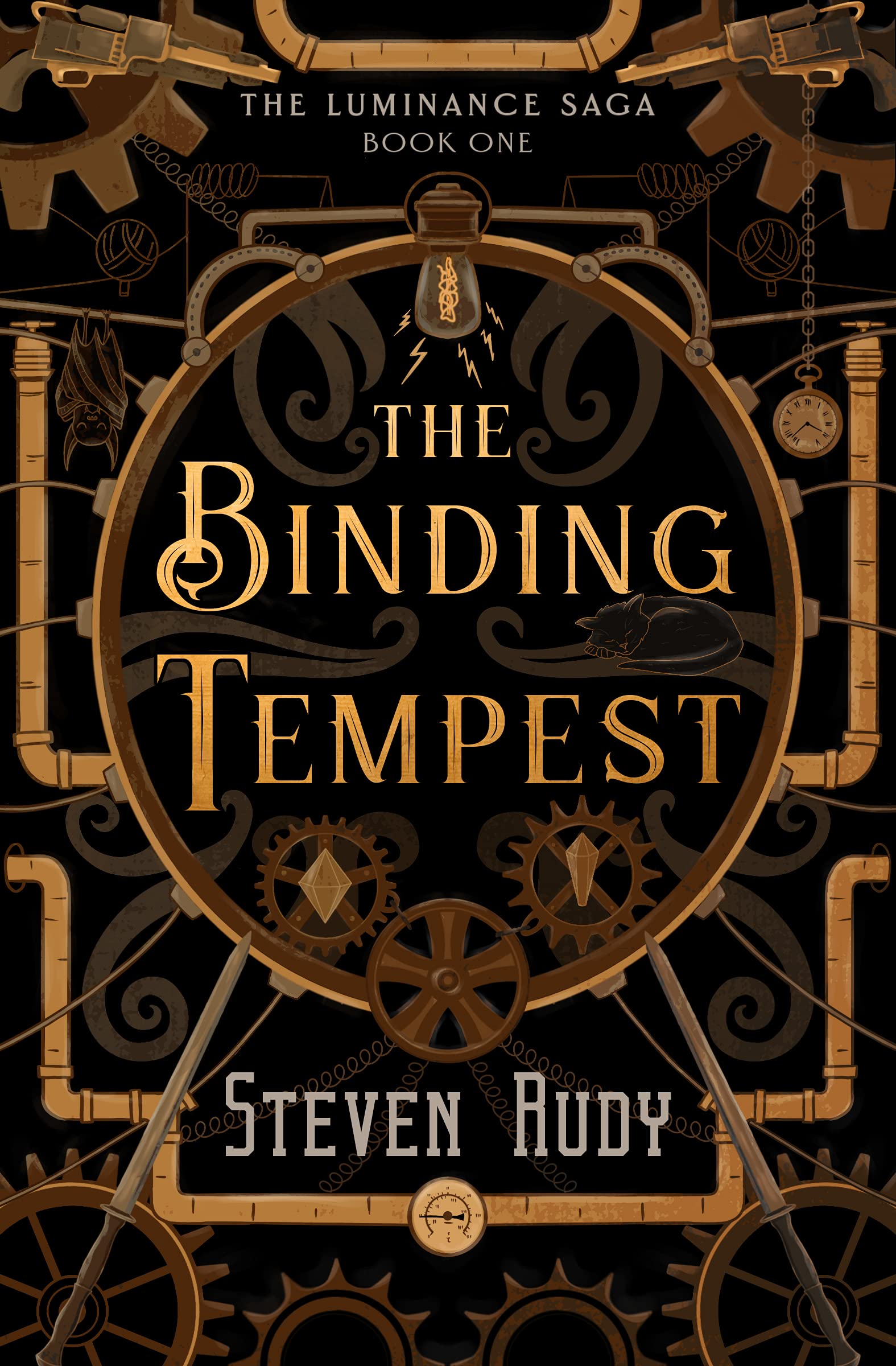
Steven Rudy with The Binding Tempest.
“Wheel of Time meets Indiana Jones saga that injects steampunk into High Fantasy.”
@MysticPeddler, please give me book pitching lessons, because yours is awesome.
Shaun Paul Stevens returns with Servant of the Lesser Good.
Feat. a hell-raising virtuoso harpist/socialite whose maid is dead set on stopping her impending marriage to a count.
Also OMG the climax is a harp recital? 🎵
@spstevenswriter I am intrigued.
Stephanie Burgis (@stephanieburgis) returns with Scales and Sensibility.
“A frothy Regency rom-com full of pet dragons and magical misadventures.”
NGL, this is on my #TBR even though Regency romance is really not my thing b/c Austen with 🐉 like come on.
Stephanie Caye (@kittensyay) with The Flaws of Gravity.
“The existence of tequila is at stake.”
That’s as far as I got before I went “OH NO, I MUST KNOW MORE!” (2nd line: “Oh, and humanity too.” B/c Faerie takeover.)
UF is not my thing but tequila totally is.
Steve McHugh (@StevejMchugh) with No Gods, Only Monsters.
“When an old friend arrives looking for help, Diana finds herself thrust back into her old life, and old problems.”
Diana as in the Roman goddess of hunt. Looks like a Roman mythical fantasy!
42x total variants. The Steves win, unless you group “Steven” & “Stevens” together 😂
Disclaimer re: completeness b/c of my ex-auditor brain:
I did not do a full search across the 9 years to see if we had more Steve-judges besides Steve Diamond.
Also didn’t check S initial authors for Stevie-ness.
Am surprised we did not, in fact, have any “Stevies”
Am also shocked we didn’t have any “Stefans” though there was a “Stefani” that I can’t count because that was for a non-fantasy pen name of an #SPFBO entrant.
BTW Steves: is the “Steve” in your byline an abbreviation for a longer name or is it the full name you go by?
Fascinating thread! And thanks for the shout out. Will next year’s #SPFBO be the first populated entirely by Steves? 🤔
A small request to @Mark__Lawrence and the judges: if there is a Steve takeover of #SPFBO10, any chance you can put them all in the same allocation next year? Just for giggles and so us non-Steve authors stand a chance…
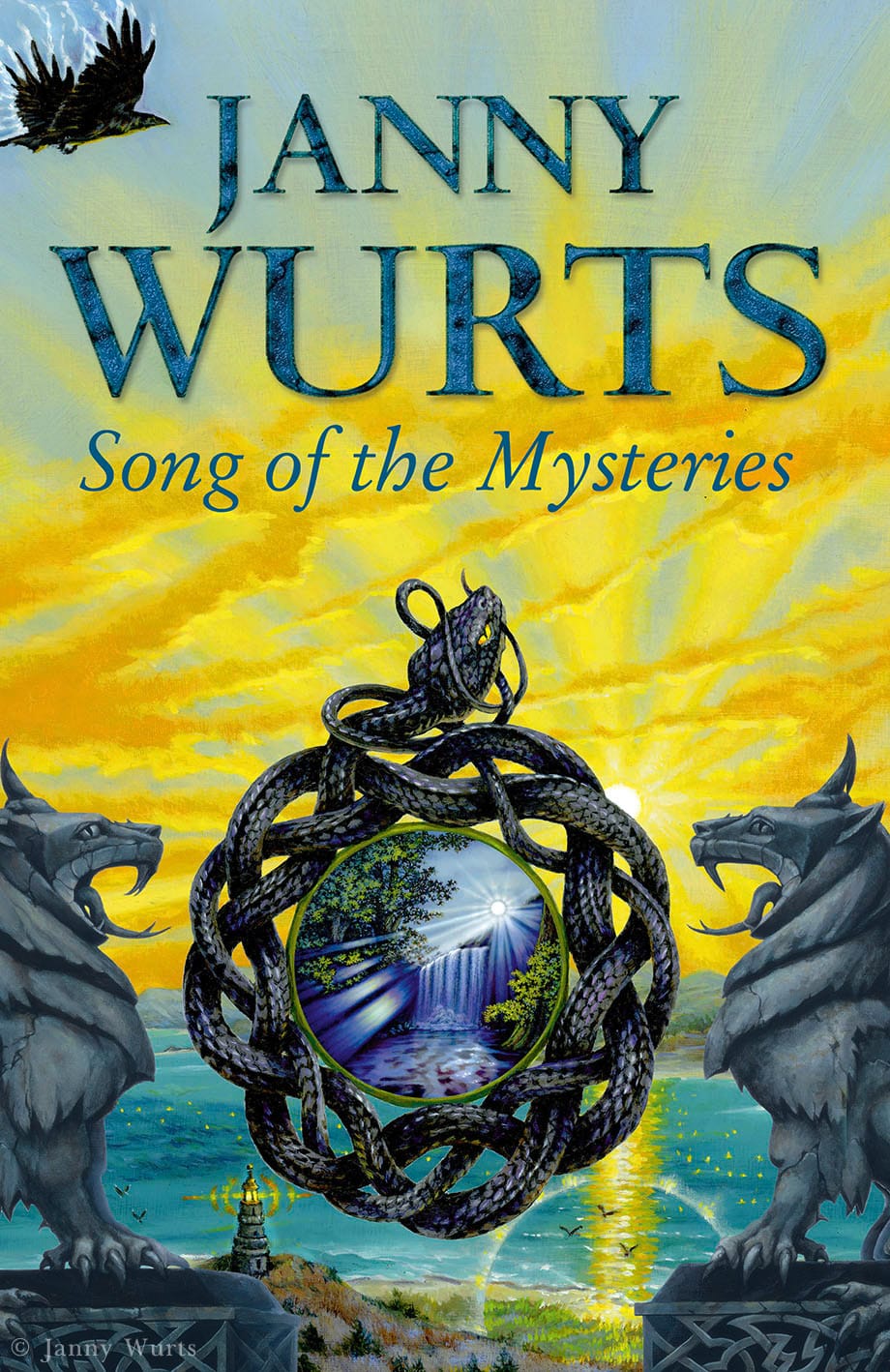
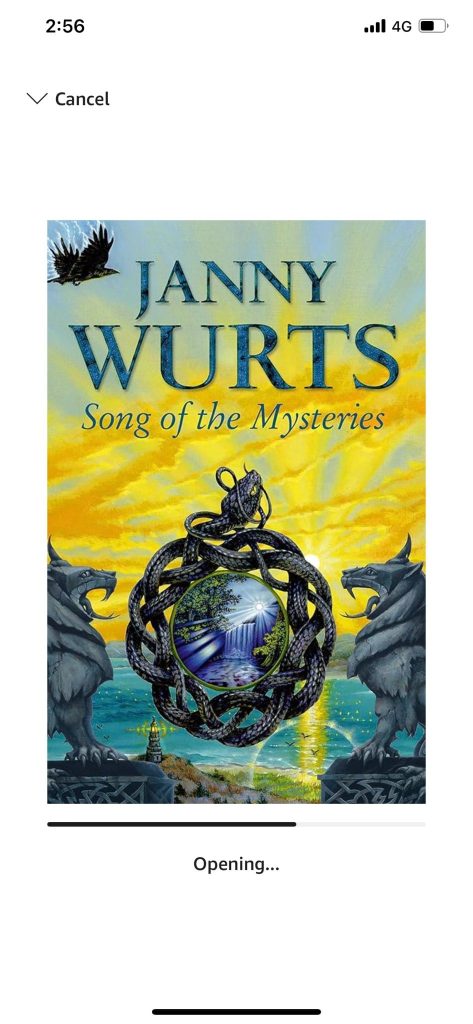
Song of the Mysteries by Janny Wurts: Live Reaction (Part IV)
Written by
Delilah Waan
Part IV of my live-tweeted readalong/reaction Twitter thread to the release of Song of the Mysteries by Janny Wurts.
As of 2025, I permanently moved over to Bluesky and effective from 17 January 2026, I have deleted all of my Twitter posts due to the changed terms of service.
Some of my most popular threads, such as this one, I have preserved on my website (with minor edits, for accessibility and ease of reading) for posterity.
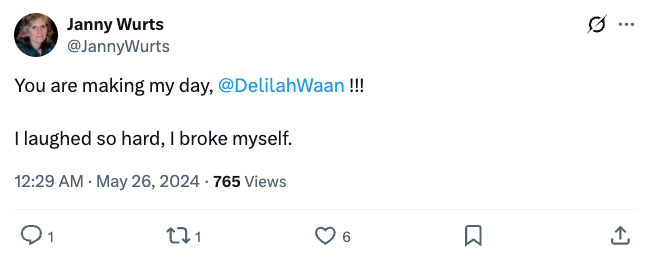
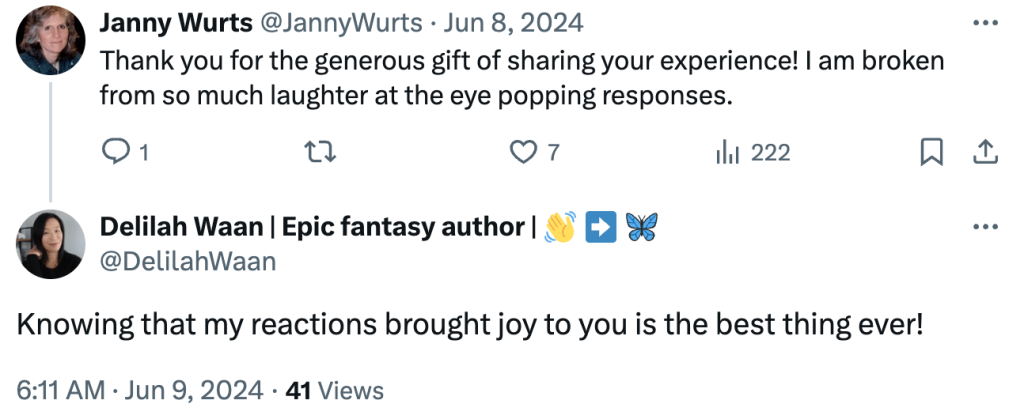
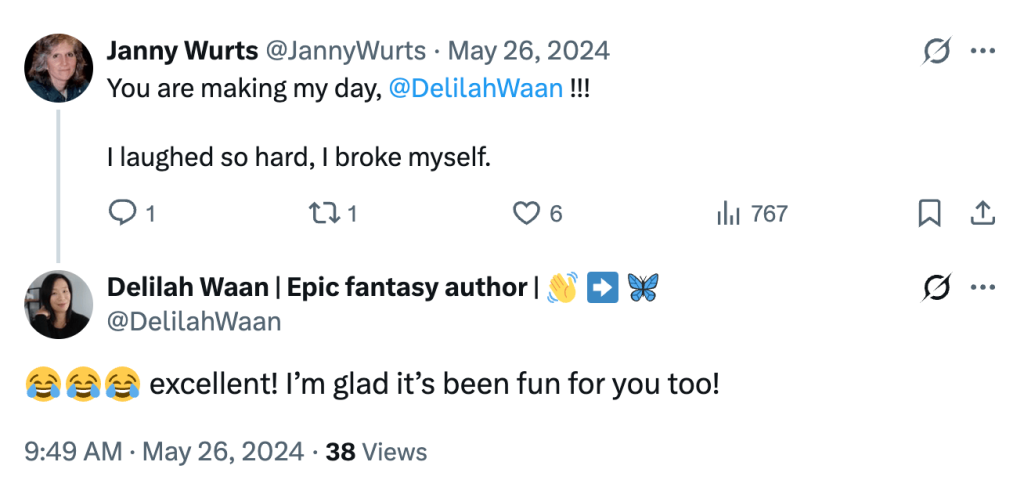
I will be forever proud of the fact that Janny Wurts herself enjoyed my posting so much that she had this reaction:
I wonder what heartbreak is in store for me tonight?
Page 448 / 54%: we open on a situation I’ve always wanted to see but unfortunately the narrative was never in a spot where it would feasibly happen and I’m ALL IN for this.
Page 455 / 55%: oh boy oh boy oh boy oh boy about high time this happened. Now let’s see what you can do!
Page 460 / 55%: this is a pretty worrying development, though I dare say a certain faction must be celebrating how much power this transfers to them
Page 464 / 56%: annnnnnnd the penny drops.
Honestly Arithon, what did you think was going to happen?
Page 469 / 56%: oh that is going to be an innnnnnteresting confrontation
Page 473 / 57%: oh no 😱😱😱😱😱 he didn’t
OH NO, Sethvir better have gotten that.
And AGH that’s the end of the chapter set
…I shouldn’t tackle another chapter set.
But I’m gonna because HOW CAN I STOP READING HERE?!
Page 480 / 57%: I’m always in awe of how tight Janny Wurts’s narratives are, even in a sprawling complex multilayered narrative such as The Wars of Light and Shadow.
Like this moment that I’m getting right now MY GOD we’re just going from main event to main event
Pages 483 / 58%: I know this is totally the opposite vibes to what is happening right now but it is also the most comparable in terms of the momentousness of the occasion
Page 515 / 61%: Reason 62 why I love Janny Wurts’s books: she never allows the same ploy to let her characters take the easy way out.
This is heartrendingly glorious
Paste 524 / 63%: 😭😭😭😭😭 I don’t want to stop reading but I must otherwise I’m going to be a complete wreck tomorrow
Who else knows exactly where I’m up to and exactly how hard it is to stop reading right now? We need a support group
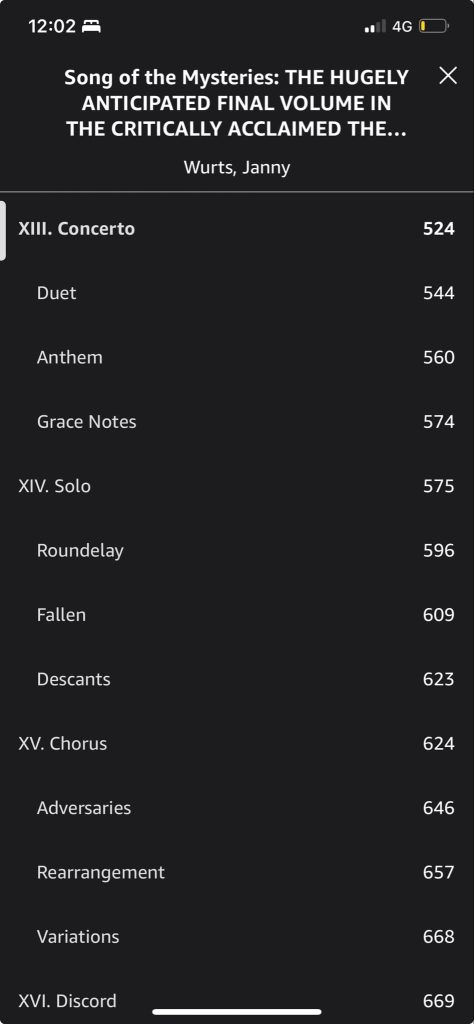
Not me looking at the chapter titles for the chapter sets ahead, guessing at what’s coming:
…fuck it, I’m gonna; I’m gonna do one more. Tomorrow is supposed to be my admin day anyway, without writing on deck. I can do admin while sleep deprived, I can!
Page 543 / 65%: this is, bar none, the best execution of this concept in existence.
Right, okay, I really am stopping here for the night, because I know if I don’t, I’m gonna binge this until the end.
It’s 1:30 am on Saturday, so after my admin gets done in about 6 hrs and everybody is served with pancakes, I will be able to devour the end to this glorious saga
Saturday pancakes are all done! I have the house to myself. It’s time for SONG OF THE MYSTERIES!
2024 is a year of highly anticipated reads for me, with three authors who have deeply influenced my work putting out new releases: Seth Dickinson with Exordia, Janny Wurts with Song of the Mysteries, and Brandon Sanderson with Wind and Truth.
Exordia blew my mind with its brilliance, because that’s just what Seth Dickinson does. But Song of the Mysteries is incomparable. And while I’m sure Wind and Truth is going to be a very satisfying conclusion to the first arc of the Stormlight Archive, I already know nothing else I read this year is going to measure up to what I just read.
Or if you’re not ready to commit to an 11-book series, read some other books by Janny Wurts. She’s got loads of them and every single one bears the same hallmark.
Delilah Waan thinks that any avid reader of epic fantasy who hasn’t read anything by Janny Wurts is missing out.
Song of the Mysteries by Janny Wurts: Live Reaction (Part III)
Written by
Delilah Waan
Part III of my live-tweeted readalong/reaction Twitter thread to the release of Song of the Mysteries by Janny Wurts.
As of 2025, I permanently moved over to Bluesky and effective from 17 January 2026, I have deleted all of my Twitter posts due to the changed terms of service.
Some of my most popular threads, such as this one, I have preserved on my website (with minor edits, for accessibility and ease of reading) for posterity.
I will be forever proud of the fact that Janny Wurts herself enjoyed my posting so much that she had this reaction:
If you missed it, you can find Part I and Part II here.
—Delilah.
We are BACK for my Song of the Mysteries first read through!
Table of contents says this is a 14 page section and I am ready for action.
Page 311 / 37%: …oh my god, Arithon is the biggest troll in the known universe.
I’m with Dakar here, I don’t know what to believe. Both possibilities are equally plausible.
For those keeping count, this is reason number 32 why I love Janny Wurts’s books so much.
Page 312 / 37%: Janny Wurts has sailed and it shows in the way she writes all of the seafaring scenes in her books.
Funnily enough, this makes me think about Le Guin and Earthsea.
Apparently people who had sailed told her they were moved by the authenticity of Ged on his sea voyage and were shocked to learn she had never sailed in her life.
Le Guin’s response: yeah, I just used my imagination.
IIRC this was from her book on writing, Steering the Craft.
Imo the style she employed in Earthsea helped a lot too.
Anyway, I’m loving all of these nautical details, even if I couldn’t actually tell you what most of it means.
Making me feel like I should read some more Aubrey-Maturin after this.
Omniscient third is so hard to do right. I’ve never written in it; close third limited/deep third is what I prefer. Even second person comes easier to me. But then I’ll read a passage like this & wonder if I should try it for fun
Page 325 / 39%: oh no, this is not good. Please tell me what I think is gonna happen is not gonna happen??
It’s ridiculous that I want to say “things are heating up” when they’ve been heating up from the get go.
This is slow burn mounting tension like nothing else.
And I have to leave it here for tonight 😭 I’ll be back for more tomorrow!
It’s Song of the Mysteries first read time!
Things are getting serious. I have a sneaking suspicion I know exactly what’s in store based on this ch title. My only thought rn is “uh oh uh oh uh oh” like being spammed on ICQ
(Too dated a reference? Some of you get it…right?)
Like looking through the titles for this chapter set is making me real nervous
Page 331 / 40%: of course the official party line is that it didn’t happen and maybe if they never mention it no one will know it ever happened
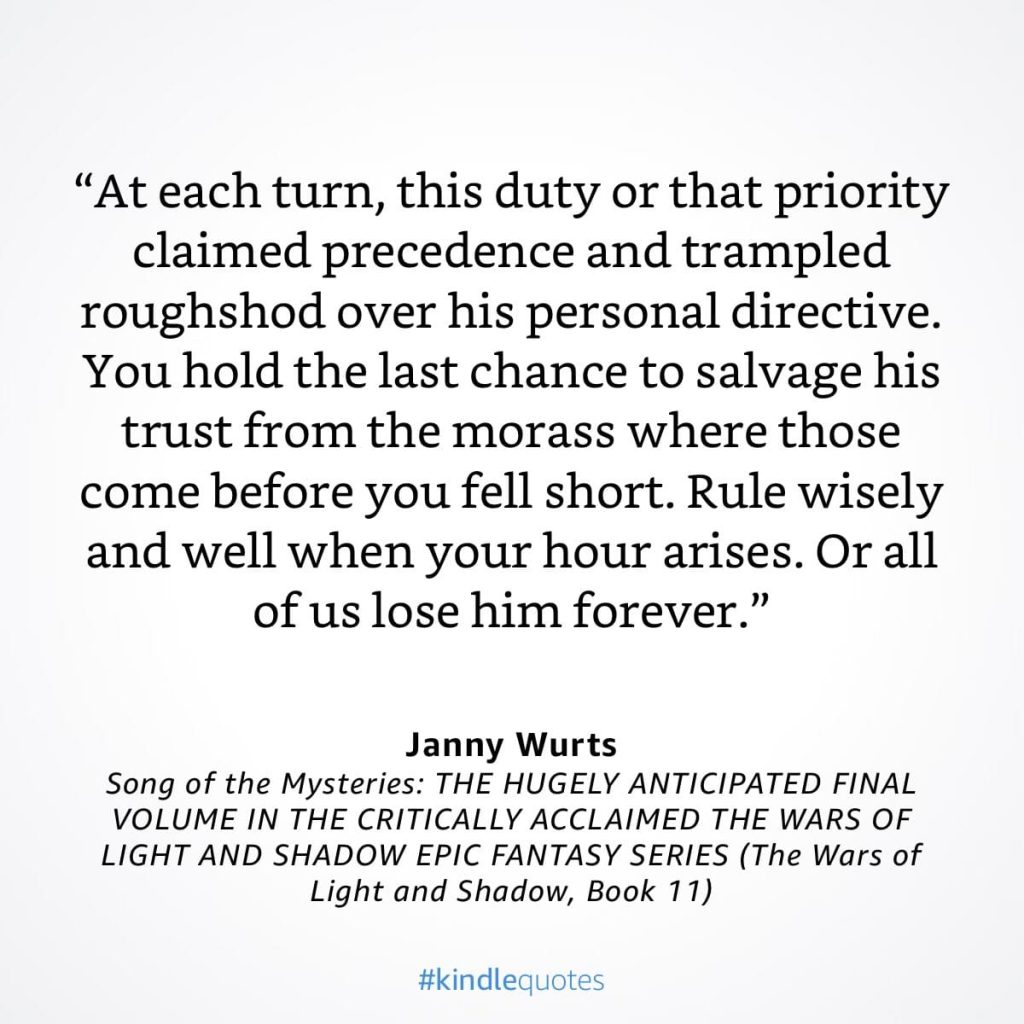
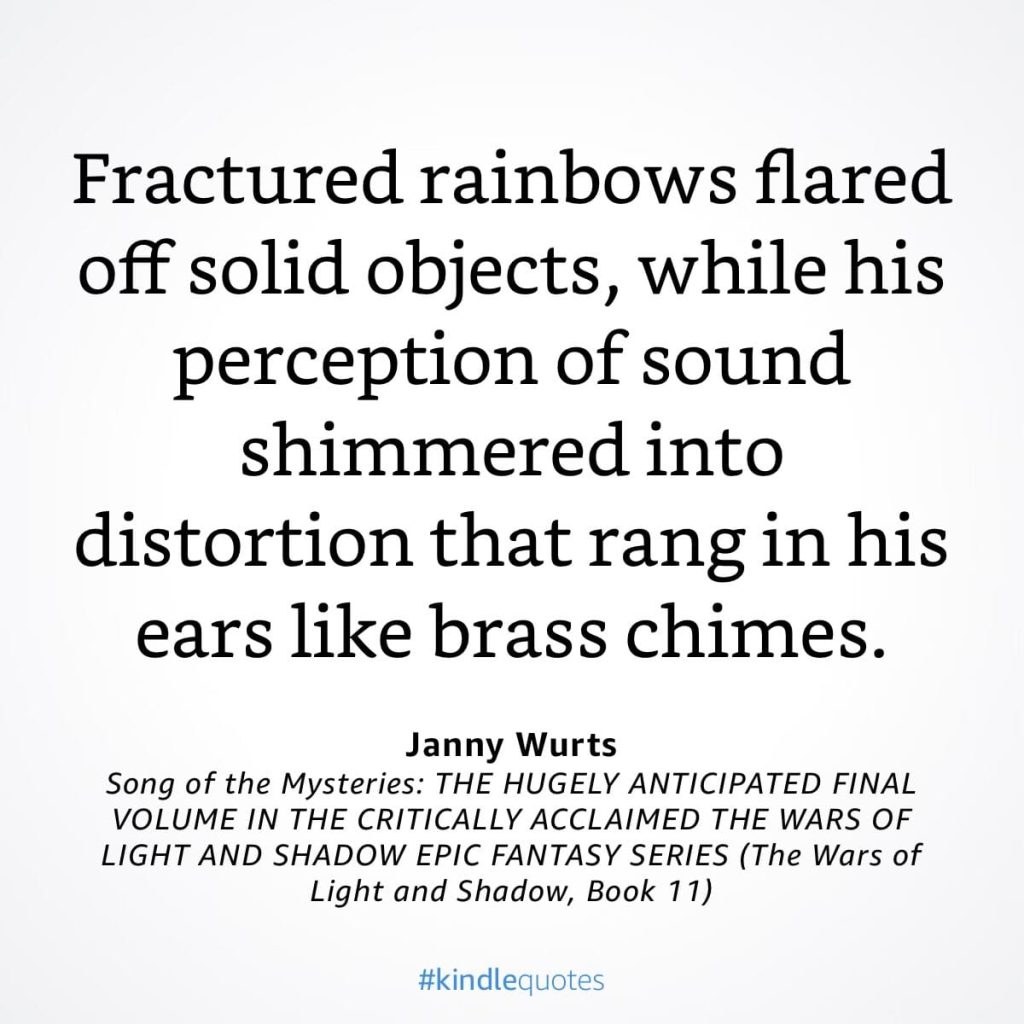
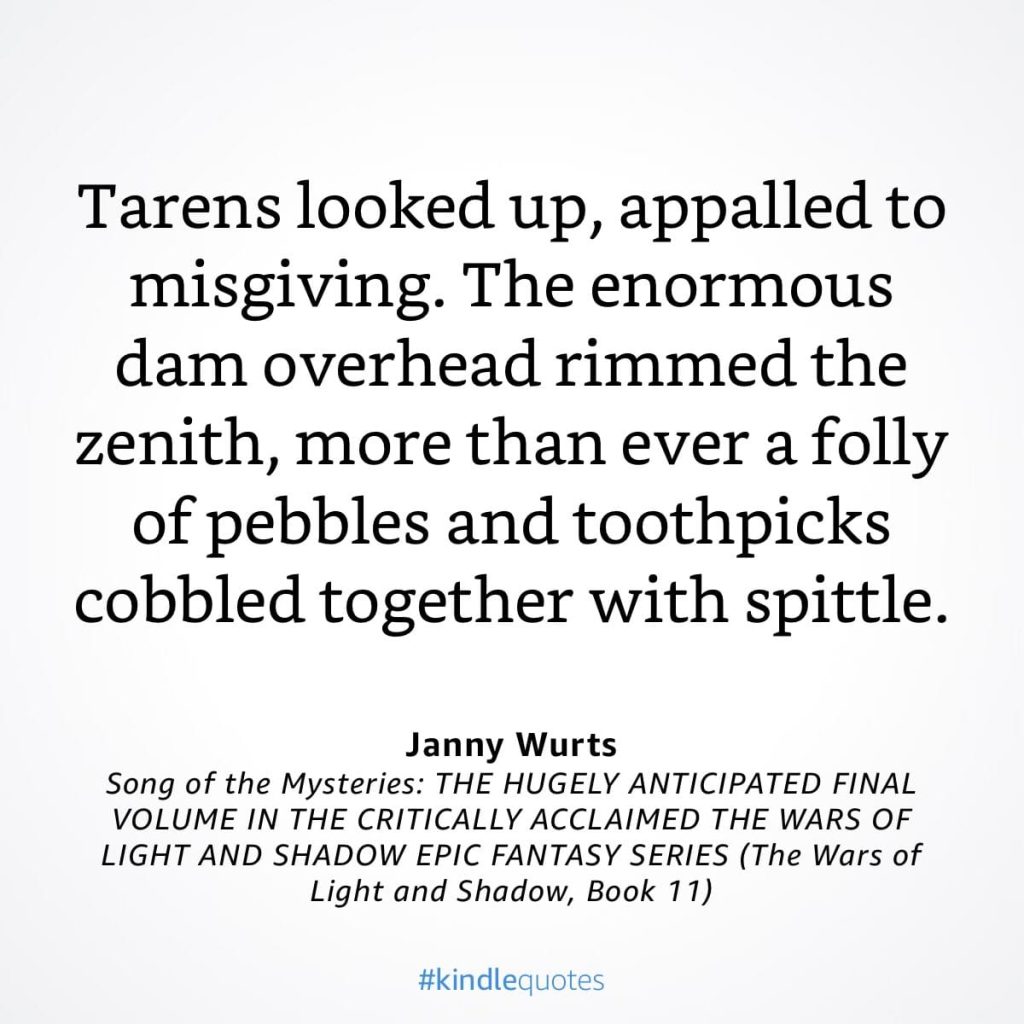
Page 334 / 40%: favourite line of the night so far:
What an image to paint in 17 words ❤️❤️❤️
Page 336 / 40%: oooof. This feels a little too real. Call me a cynic but I’d feel comfortable asserting this accurately describes about 95% of our society today.
Page 337 / 40%: re: drum chat, this makes me think of Modesitt Jr’s Spellsong Cycle (also very good books with a world where music is magic where an opera singer gets isekai’d and becomes the most powerful person in existence) where you could do some serious damage with drummers
And now my brain is thinking of the “pon pon pata pon” video game, and that little jingle (yes I’m gonna call it a jingle) is gonna be running through my head for the rest of the night
I don’t think I’ve ever had to eat my words so quickly.
This is reason 624 why I love Janny Wurts’s books.
Page 361 / 43%: or do I?!?!??!??
I have no clue either way and I love it. Usually I can predict what’s gonna happen with 90-95% accuracy so when I can’t it’s an absolute joy. Especially when whatever happens usually turns out to be SO MUCH BETTER.
Page 365 / 44%: I am totally going to use this line the next time somebody tries to talk over me.
Page 371 / 45%: a-hah! Was that the goal here? Seems like it might be!
I feel like all my reactions are just going to be completely incoherent tonight. There’s so much spoiler stuff going on that I can’t say anything without spoiling anything
Page 394 / 47%: ‼️‼️‼️‼️‼️
Here’s me hoping for a miraculous twist that will pry these two free
Page 397 / 48%: I want to quote the entire page here because the prose is gorgeous but it’s so spoiler that I’ll just quote my favourite bit (which is still spoiler-ific)
Page 399 / 48%: That was it. That was what we’ve been waiting for. Two decades and change after I first started reading these books and now I’ve finally experienced the thing I’ve been waiting for.
I’m now really really really really really really hoping we can get an end to the you know what in this chapter without giving away the benefit of the you know what.
And that’s the chapter set done! I cannot wait to see what’s in store next. I have no idea how Janny Wurts is gonna top this but I have faith she’s gonna because she always has in every book of hers that I’ve ever read.
Same time again tomorrow night!
Delilah Waan loves the distinctive structure Janny Wurts employs for every book in The Wars of Light and Shadow series, a.k.a. the massive midpoint reset.
Song of the Mysteries by Janny Wurts: Live Reaction (Part II)
Written by
Delilah Waan
Part II of my live-tweeted readalong/reaction Twitter thread to the release of Song of the Mysteries by Janny Wurts.
As of 2025, I permanently moved over to Bluesky and effective from 17 January 2026, I have deleted all of my Twitter posts due to the changed terms of service.
Some of my most popular threads, such as this one, I have preserved on my website (with minor edits, for accessibility and ease of reading) for posterity.
I will be forever proud of the fact that Janny Wurts herself enjoyed my posting so much that she had this reaction:
Follow along if you’re also reading; I wanna know YOUR thoughts.
If you’re not, well, follow along anyway and cackle as I get emotionally wrecked.
Then buy yourself a copy so you can experience the same. Let’s go!
I should probably be sleeping but I CAN’T I HAVE TO KNOW WHAT HAPPENS next in Song of the Mysteries because the last chapter left me on a HELL of a cliffhanger.
Page 191 / 23%: whew. That was some payoff. And this is a hell of a hook into the next chapter!
👀 👀 👀 👀 👀
Alright, this is as good as a stopping point as I’m gonna get. I desperately want to keep reading but I need to be writing words (and good ones too) tomorrow so it’s bed time for me.
Same time tomorrow to see what’s in store next. Good night!
Page 192 / 23%: I normally like to start with a non-spoiler (this kinda is, from a world building standpoint, but viewpoint character doing the thing is spoilery?) but I have to comment on this.
It SUCKS to be in this line of succession. Esp if you’re born at the wrong time.
Page 193 / 23%: that said, some leaders are wiser than others and I am rooting so hard for this right now. This character’s been through, like, six different living hells & I want to see them succeed so bad
Pls pls pls gimme this moment, it’ll be disastrous for everyone else:
That, but imagine he’s discorporal & they’re living zombies.
(I’m sorry, I don’t make the rules about what weird associations my brain makes!)
Page 198 / 24%: I really regret not pressing the left button right now.
It’s gloves off.
SECRETS ARE BEING REVEALED.
This first one rings a bell and I feel like I should know it but I do not remember which book, it’s been so long.
Further down: thing number two is DEFINITELY covered in the most recent books; I know because I did reread books 9 and 10 last year, but this particular one has been floating around for a long, long time, from even further back in the series. I wanna say like, book 6 or 7?
Page 200 / 24%: prophecies kinda have a bad rep now. I get it. I’ve read my fair share of stories w/prophecies that fall apart when you squint at ‘em & feel completely arbitrary.
This one doesn’t because it’s got weight & substance & it’s inseparable from who the characters ARE.
And we’re gonna leave things here for the night, because I cannot possibly get through another 50 pages tonight AND still hit revision targets tomorrow.
It’s been suggested to me that it would’ve been more efficient to actually take two days off & binge it, book hangover be damned, to which I say, trying to binge a Janny Wurts book kinda goes like this:
Some of the homework has been completed so I am taking it as a win & therefore am gonna reward myself with at least part of a chapter even though it’s 10:30 pm & I should be sleeping right now if I want to be up and writing at 5:30 tomorrow morning.
Gonna have to leave it here for the night or I will be completely useless tomorrow!
Right ok we’re getting SERIOUS with the Song of the Mysteries first read because everybody is reading faster than me and I cannot live with missing out 😭 also I hit a writing goal today so I’m telling myself this is a reward
Page 223 / 27%: Sethvir is in full grumpy old wizard mode 😂
Page 227 / 27%: I really wanna see one of the YouTuber luthiers make a real lyranthe. Hey @TwoSetViolin , if you happen to wanna do a video on making real life versions of fantasy instruments and playing them, this would be a really awesome one: https://wiki.paravia.com/wiki/Lyranthe
Most other authors would’ve saved that moment for the final hurrah.
We’re not anywhere close to that.
What is still in store???
Goddddd I want to inject this book into my brain right now. Be back tomorrow for more.
It’s Song of the Mysteries time!!!
I desperately need to know what’s going to happen next.
Page 255 / 31%: yeah I’m with Elaira here. As someone who’s often been the person who gets pressured into doing things they don’t want to do because it’s good for others, I’m GLAD for Arithon.
There’s always a line. And he just got pushed to his. Good on him.
Hahahaha lol Verrain inadvertently dropping intel the F7 doesn’t want Arithon to know is possible in front of Elaira is 👌
Page 257 / 31%: oh WOW yeah it’s one thing to know from the promise made in book 1 this is going to happen and quite another to actually READ ABOUT IT HAPPENING.
I was not prepared for this return.
How is this even going to work?!
Or more accurately, how are they gonna get on?
Page 261 / 31%: “not good” is the answer but I don’t think anyone expected differently. This is some next level culture shock
Page 266 / 32%: Tarens really did not deserve to be put in this position
Page 271 / 33%: this is neither here nor there but I kind of want to see Lysaer’s household accounts. Like where is all the money to pay for this coming from?
Surely not just compulsory acquisition? I don’t think his conscience would allow that.
272 / 33%: why do I have this terrible sense of foreboding about this?
Page 277 / 33%: oh no, no no no no no that is a terrible move, do not do it Lysaer
(He’s gonna, for sure)
Page 282 / 34%: uh Lirenda? Are you conscious of the irony here?
😶😶😶😶😶
Page 283 / 34%: that would’ve been an interesting direction to explore.
Alas, I don’t know that I could envision it. It seems so completely opposed to who Elaira is.
Page 287 / 35%:
When Janny Wurts wants the plot to move, it MOVES
Page 290 / 35%:
‼️‼️‼️‼️‼️
Oh that makes so much sense!!!
Oh this is going to be so epic.
I wish I didn’t have to sleep so I can keep reading but alas, I gotta go past out. Same time tomorrow for more!
Alrighty, tonight’s gonna be a short one because I’m waking up suuuuuuper early to chat to two awesome SPFBO authors which means I gotta go sleep soon.
But there’s no way I’m going to sleep before getting my Song of the Mysteries fix!
Page 292 / 35%: oh this is so damned cool!
Beautiful, beautiful description happening here by the way.
God I love this so much.
Page 293 / 35%: 😂😂😂 okay that was not how I expected that reunion to go but ahaha it’s so apropos
Song of the Mysteries by Janny Wurts: Live Reaction (Part I)
Written by
Delilah Waan
This article was originally posted as a Twitter thread as a live-tweeted readalong/reaction thread to the release of Song of the Mysteries by Janny Wurts.
As of 2025, I permanently moved over to Bluesky and effective from 17 January 2026, I have deleted all of my Twitter posts due to the changed terms of service.
Some of my most popular threads, such as this one, I have preserved on my website (with minor edits, for accessibility and ease of reading) for posterity.
I will be forever proud of the fact that Janny Wurts herself enjoyed my posting so much that she had this reaction:
—Delilah.
IT IS HERE IT IS ON MY KINDLE AAAAAAAAAAHHHHHHHHHHHHHHHH
I have just done the school pick up. I have just under an hour before the next thing on my calendar.
Other authors do epic by adding scope. More characters, more subplots, more factions, more species, more more more.
Janny Wurts does epic by making everything deep and deeper.
Case in point: there’s a character that most other authors would write as the protagonist of a 3-5 book series. In The Wars of Light and Shadow, this character is just a footnote. Their whole life basically happens during a time skip between books.
Yes, the scale is that epic.
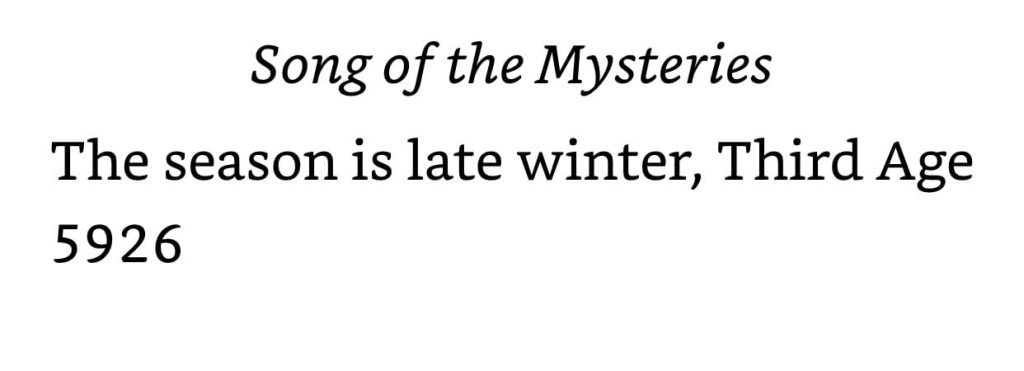
Omgggggg it’s taken me like 30 mins to just read and digest the timeline, reliving all the previous books in my mind, and I both want to stop and go back to do a reread of the whole series RIGHT NOW so I can appreciate the final book more but also I WANT TO READ THE FINAL BOOK.
It’s a brand new Janny Wurts book on my Kindle so I have zero impulse control over this.
I have been waiting for this book for what feels like my entire adult life.
Longer, even. I started reading this series when I started high school.
Am I ready?
🫣🫣🫣🫣🫣
I am not ready.
Since this is a totally brand new book and this is a series that’s finding a lot of new readers, I don’t wanna spoil anything for anyone so here’s how I’m gonna do this live tweet of my read.
2 pages later on from that devastation, I’m giggling at an absurd, but totally fitting visual.
2 pages after that, I’m fist pumping because I did NOT think about things going in that direction but it makes SO MUCH SENSE.
Ath please make it so.
Page 22 / 3%: I love Janny Wurts’s prose.
Page 24 / 4%: am reading about a sight so beautiful it chills and literally feeling chills.
Maybe it’s because winter is coming to Australia.
Or maybe it’s just how reading a Janny Wurts book goes.
Page 26 / 4%: HOW DID I FORGET ABOUT THIS?
Hot damn absolute GOAT payoffs, YES.
Things I love about Janny Wurts books number 513: promises always get fulfilled. ALWAYS.
Page 35 / 5%: Is what I think is about to happen about to happen?
AAAAAAAAAAAAAA—
—oh sweet Ath it didn’t; it didn’t and I’m SO glad but wow that was close.
…that means something even more terrible is coming.
Further down: OH NO
😨
😱
😭
WAIT WHAT
…is this what I think it is?
🤔🤔🤔🤔🤔
IT IS.
At least, I’m pretty sure it is.
Page 40 / 6%: all I’m gonna say is, Lysaer better finally catch a break.
Pages 47 / 6%: I will never cease to be stunned by how seamlessly Janny Wurts transitions her scenes.
Page 52 / 7%: the Fellowship of the Seven (henceforth the F7) sure do go to some low, low, low lengths.
But you gotta do what you gotta do. Their purpose is not aligned to what you’d expect it to be from what you normally expect it to be in heroic fantasy and it’s 👌
Page 52 / 7%: oh my god this is ice cold coming from THIS particular F7 member (lol that makes them sound like a K-pop boy group, sorry not sorry)
Page 54 / 7%: that exact moment when a character has the realization that the back up back up back up back up super ultimate failsafe backup they thought was gonna be there is not gonna be there
Alright this is where I’m stopping for the night, b/c I’m no longer in my teens or 20s & thus have to be a responsible adult & NOT pull an all nighter reading this book, which I want you all to know is incredibly tempting b/c it is totally possible for me to finish it in 1 day:
WE’RE BACK with the Song of the Mysteries live tweet first read!
Let’s see far I can get tonight.
Page 62 / 8%: Ooooooooookaaaaaaaayyyyy here we go. This is happening. This is really happening.
We’re at page 146 / 18% and the ramping up is ceaseless.
(this is where I realise that I’ve left off location references for all my reactions tonight SORRY GUYS I’ll remember tomorrow)
Alright guys, it’s Sunday morning, I’ve made HK-style French toast, I have my tea and I WOKE UP TO THIS FROM JANNY WURTS HERSELF
so we’re forging on!!
Right, so it turns out that I underestimated the amount of French toast required 😅 which means there was a feeding frenzy at brunch and I got zero reading done.
We’re now at the “we want seconds” stage so guess I’m reading while I’m waiting for the pan of hot oil to heat up.
Page 147 / 18%: For the record, Dace is the MFing MVP. Dace be doing the equivalent of going 1 v 1 with bare fists against Zeus instead of Goliath while Zeus is in battle rage mode.
Page 154 / 19%: this exact moment happens over and over and over throughout the series but I don’t think it ever gets any less heart wrenching.
Also this is very 👀🤨🤔
Page 156 / 19%: I gotta say, in all honesty, Arithon’s quest is very heroic and wondrous, but I really, really, really, really, really personally find Lysaer’s tragedy the more compelling. I wish we had more page time with it and he wasn’t so penned in by Desh-thiere’s curse.
Also, I know a lot of people are aboard the Kadolin broship is the best broship bandwagon but I reckon that’s because most of you haven’t yet read enough of The Wars of Light and Shadow because THIS is clearly the best broship in all epic fantasy:
Page 174 / 21%: every time Kharadmon gets upset during one of these meetings, I’m picturing everybody else doing this:
Page 175 / 21%: it’s moments like these that you’re reminded—very forcibly—that the F7’s agenda is their own.
They are not on your side.
I love it.
Page 178 / 22%: Man, if I were Arithon, I’d be pissed too.
(Also if you like this kind of “grand plans being thwarted by small things geniuses overlooked despite their genius” vibe you should check out some K.J. Parker, though be forewarned those can be some real downers.)
A few paras down and we have the first title drop!!!
Page 179 / 22%: WE’RE ENDING THE CHAPTER HERE?!??!?!?!?!?!?!?!?!?!?!?!??!?!?!
Well, then, since Janny left me to hang here, this is also where I’m leaving you all to hang.
(For now.)
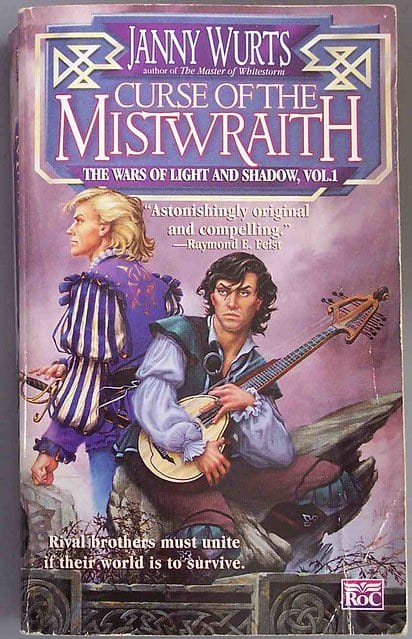
Delilah Waan first discovered Janny Wurts through a bargain bin copy of The Empire Trilogy (co-authored with Raymond E. Feist), then fell head first into The Curse of the Mistwraith and it forever changed her life.
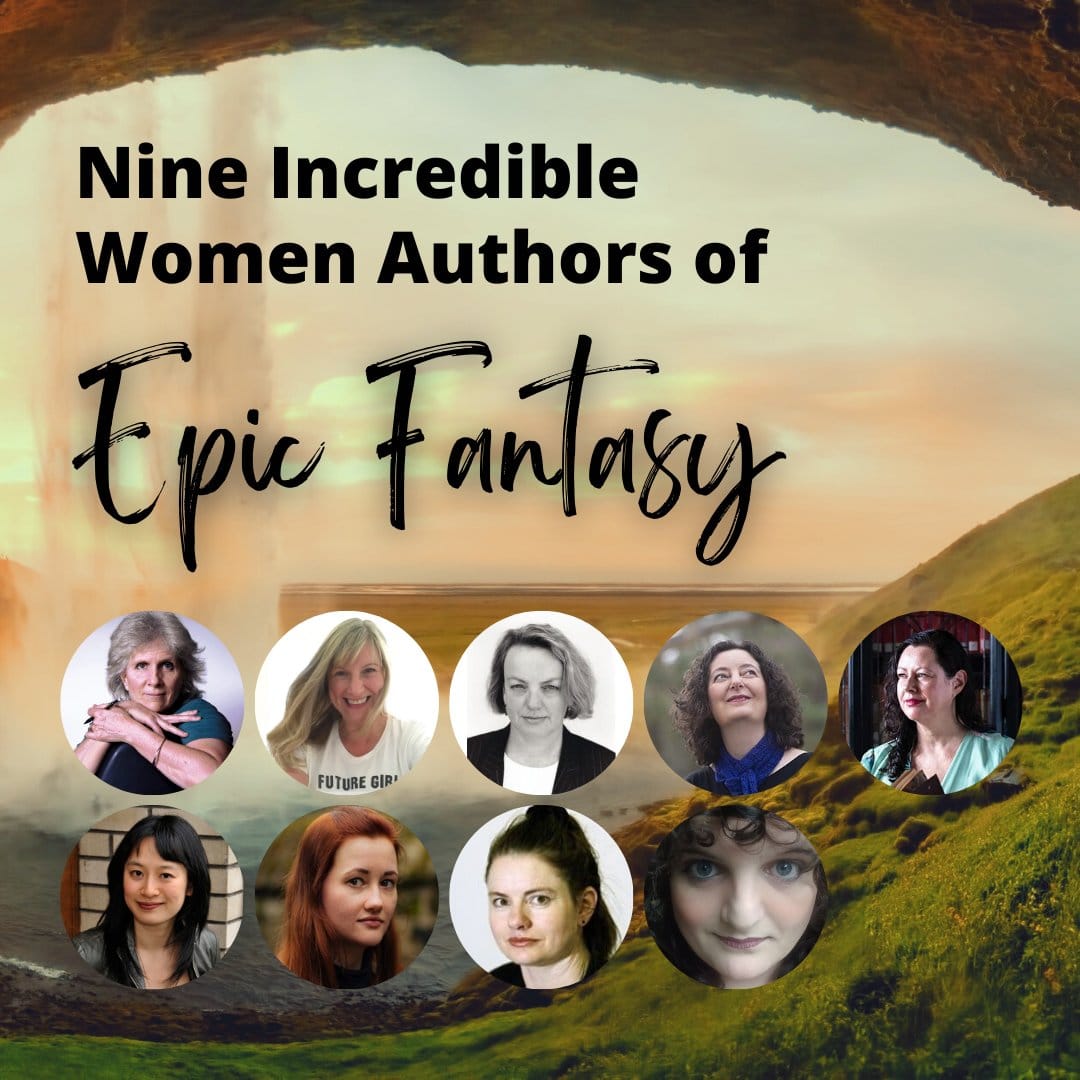
Nine incredible women authors of adult epic fantasy whose works have heavily influenced me (and why you should read their books)
Written by
Delilah Waan
This article was originally posted as a Twitter thread and on my Instagram on 9 March 2024 in celebration of International Women’s Day.
As of 2025, I permanently moved over to Bluesky and effective from 17 January 2026, I have deleted all of my Twitter posts due to the changed terms of service.
Some of my most popular threads, such as this one, I have preserved on my website (with minor edits, for accessibility and ease of reading) for posterity.
There are many, many incredible women writing epic fantasy—far more than I could fit in one spotlight—but here’s a shortlist of nine female authors whose adult epic fantasy works have heavily influenced me, and why you should read their books.
(super late for #InternationalWomensDay2024 but it’s still #WomensHistoryMonth2024 so we’re gonna do this anyway!)
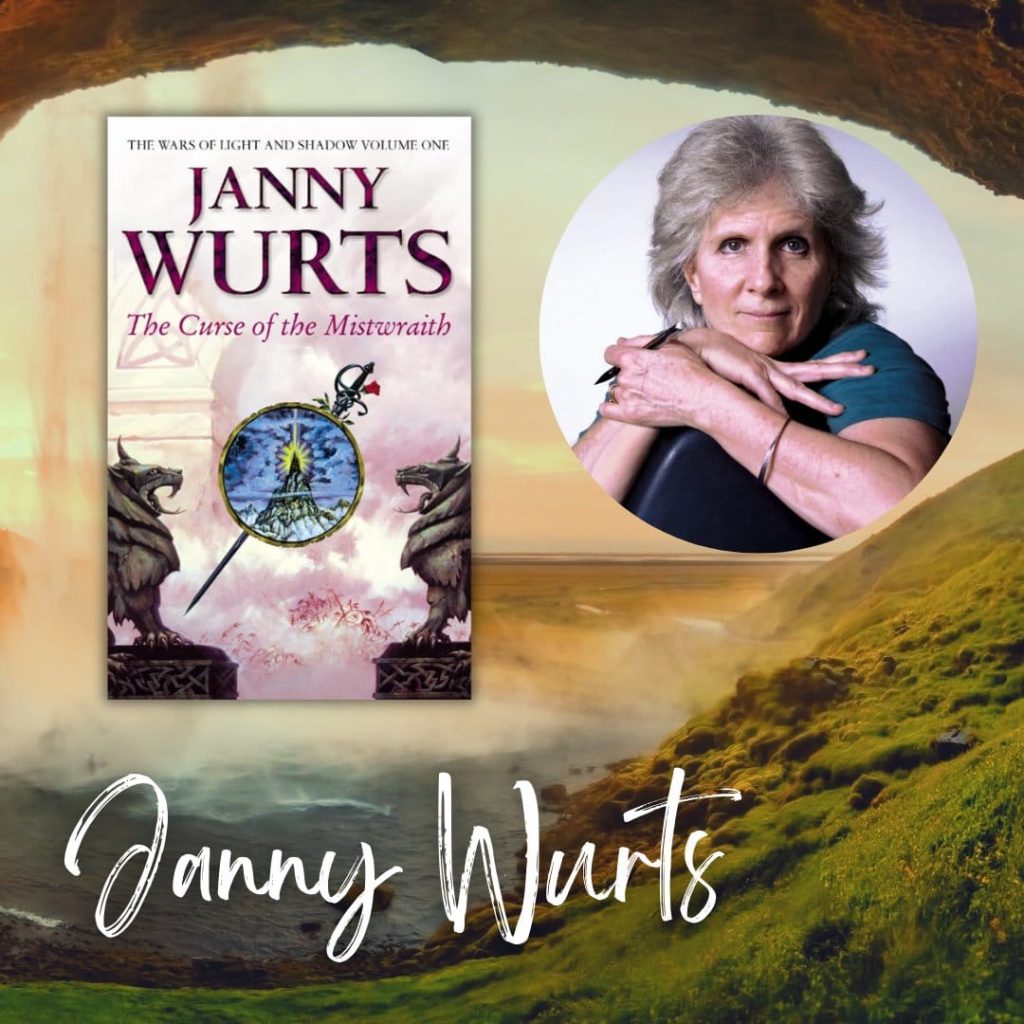
1. Janny Wurts
Brilliant, beautiful prose. Heartwrenching, complex characters. Tight, masterful plotting. Janny Wurts is a GOAT who does it all—including the amazing cover art.
Start with The Curse of the Mistwraith, an 11-volume epic to end all epics, or try one of her standalones: To Ride Hell’s Chasm, Master of Whitestorm, or Sorcerer’s Legacy.
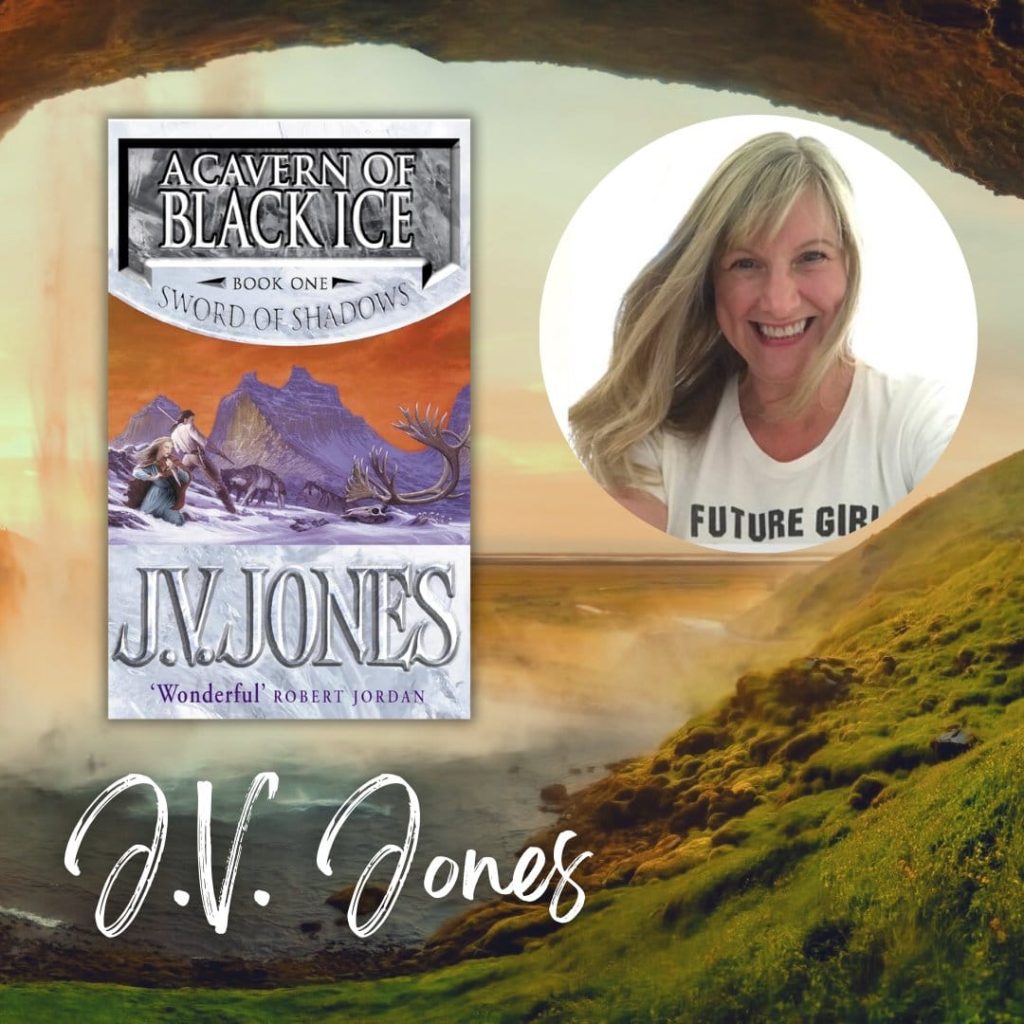
2. J.V. Jones
J.V. Jones writes brutal, dark, character-driven epic fantasy with the best. You like Robin Hobb? You’ll like her stuff.
Get the grimness of The Wall and the looming dread of supernatural harbingers of the apocalypse from George R.R. Martin’s A Game of Thrones in A Cavern of Black Ice.
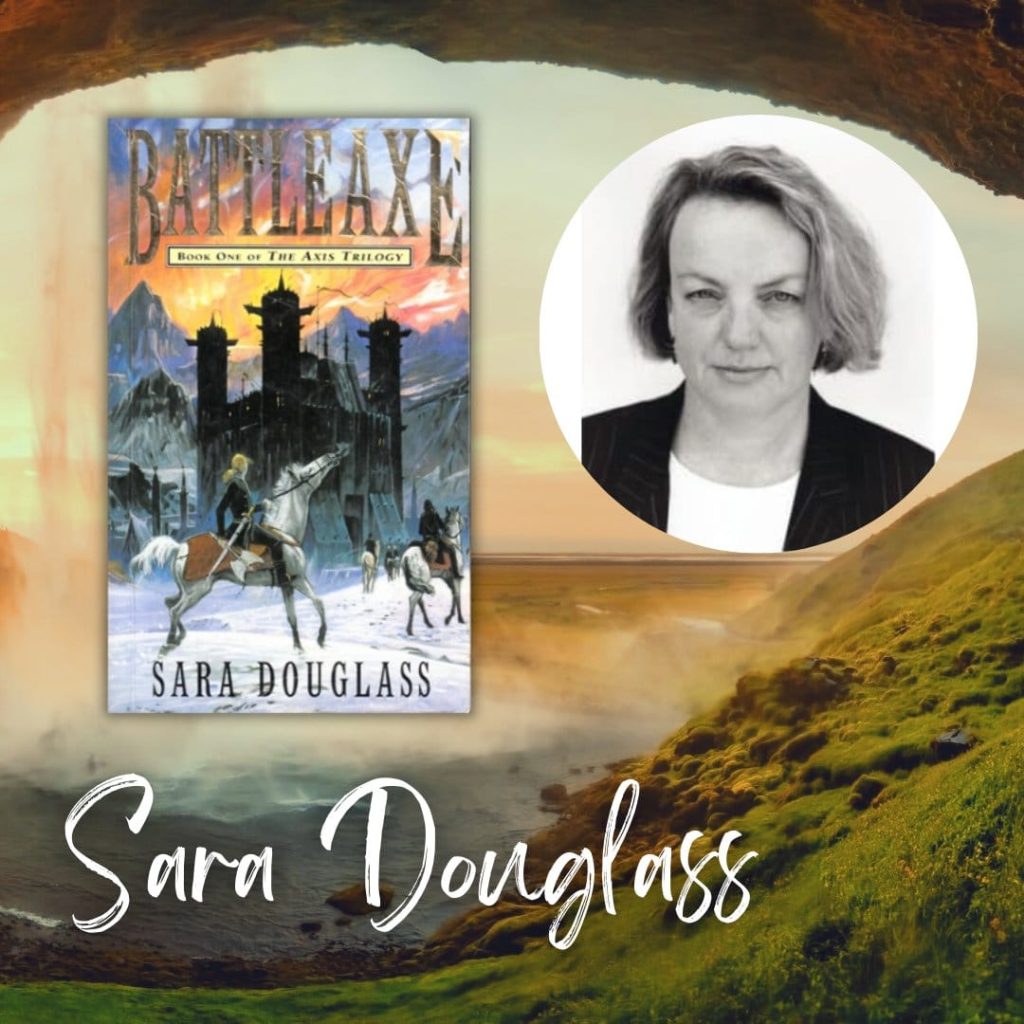
3. Sara Douglass
Sara Douglass is an Australian SFF icon. Her 6-book epic, The Wayfarer Redemption, is technically sci-fantasy overall imo but the first three books (known as The Battleaxe Trilogy) read firmly as epic fantasy.
Love the grand tragedy of Beowulf? Begin with Battleaxe!
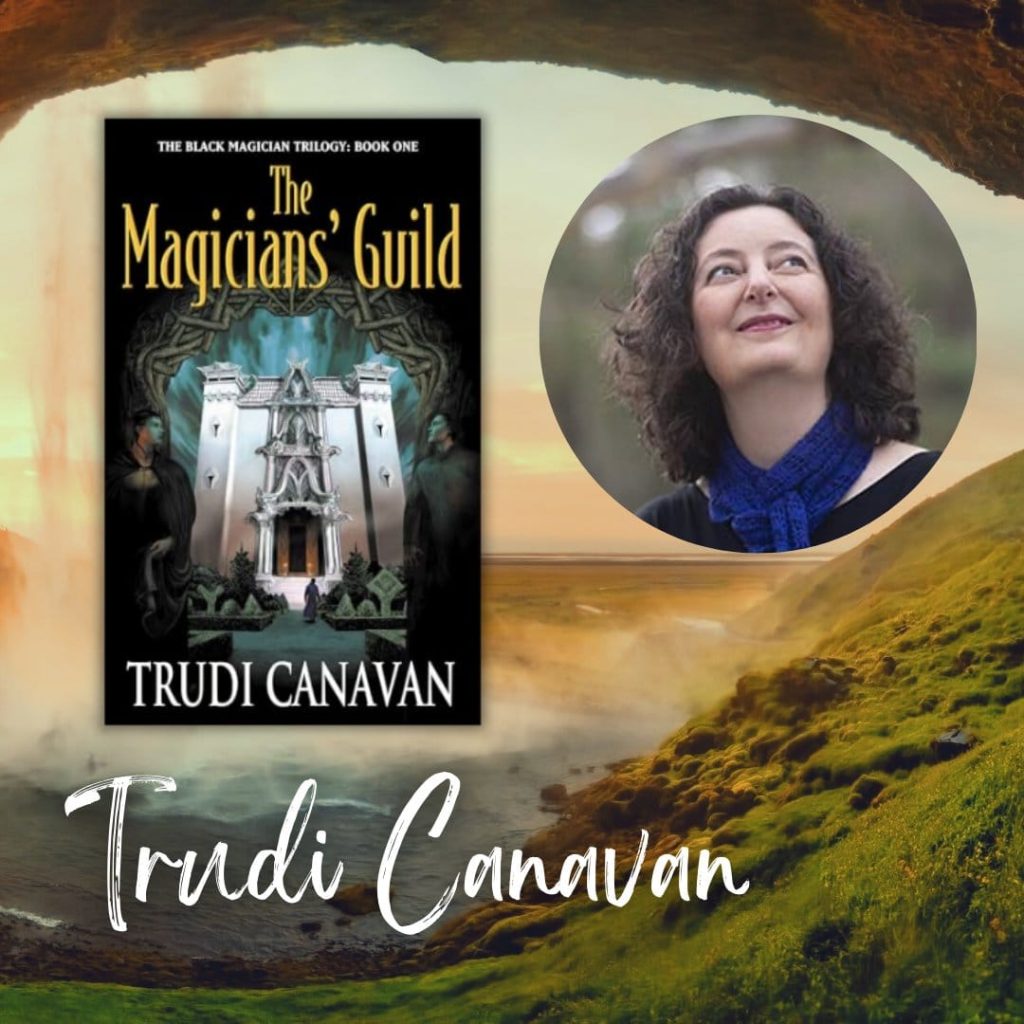
4. Trudi Canavan
I devoured Trudi Canavan’sThe Black Magician Trilogy in high school, finding echoes of myself in Sonea’s struggles.
Start with The Magician’s Guild, or try the standalone prequel, The Magician’s Apprentice. If you’re a fan, you’ll have the sequel The Traitor Spy Trilogy to keep you going.
Also check out the awesome The Age of the Five trilogy, which is probably my favorite of her works!
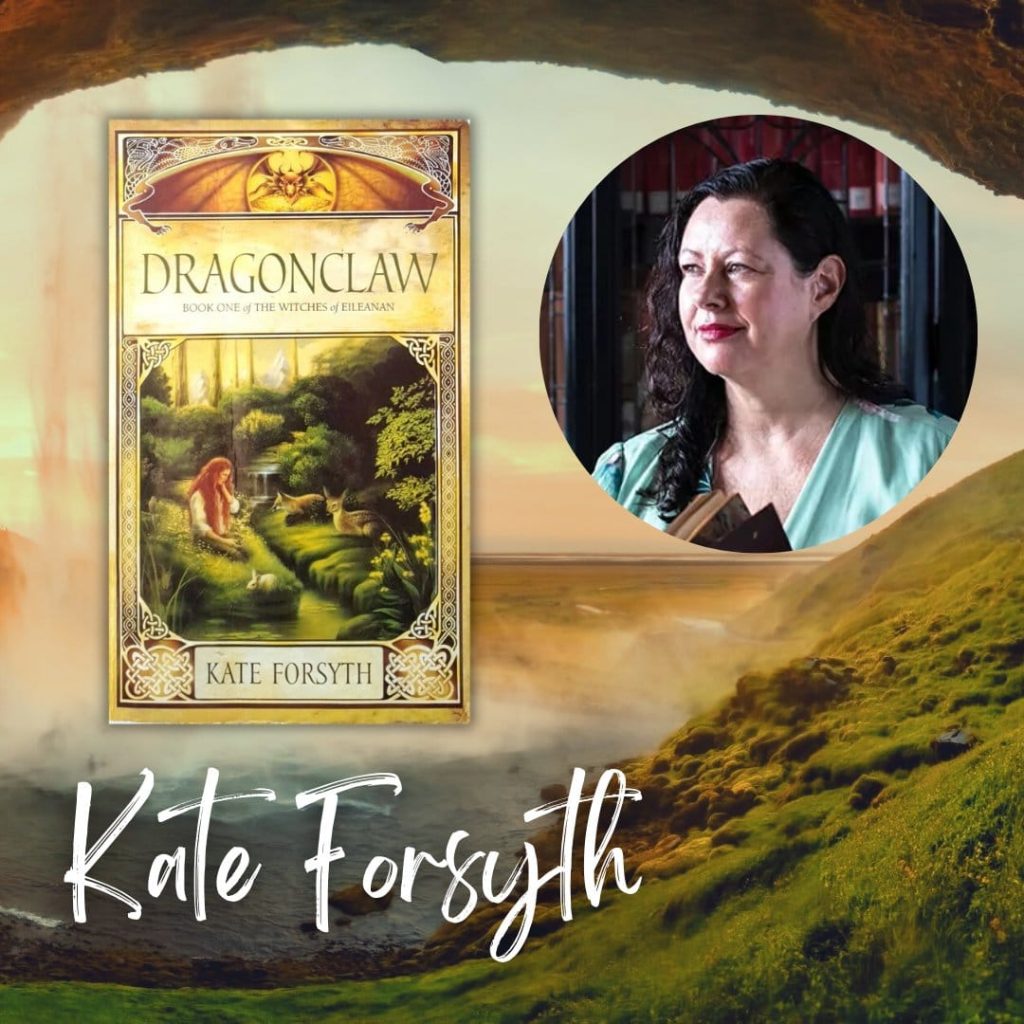
5. Kate Forsyth
I attribute the origins of my love of complex characters you can’t clearly label as good or evil to Kate Forsyth’s writing of Maya in The Witches of Eileanan.
Fascinated by Cersei Lannister? Start with Dragonclaw and meet Maya the Ensorcellor through Isabeau’s eyes.
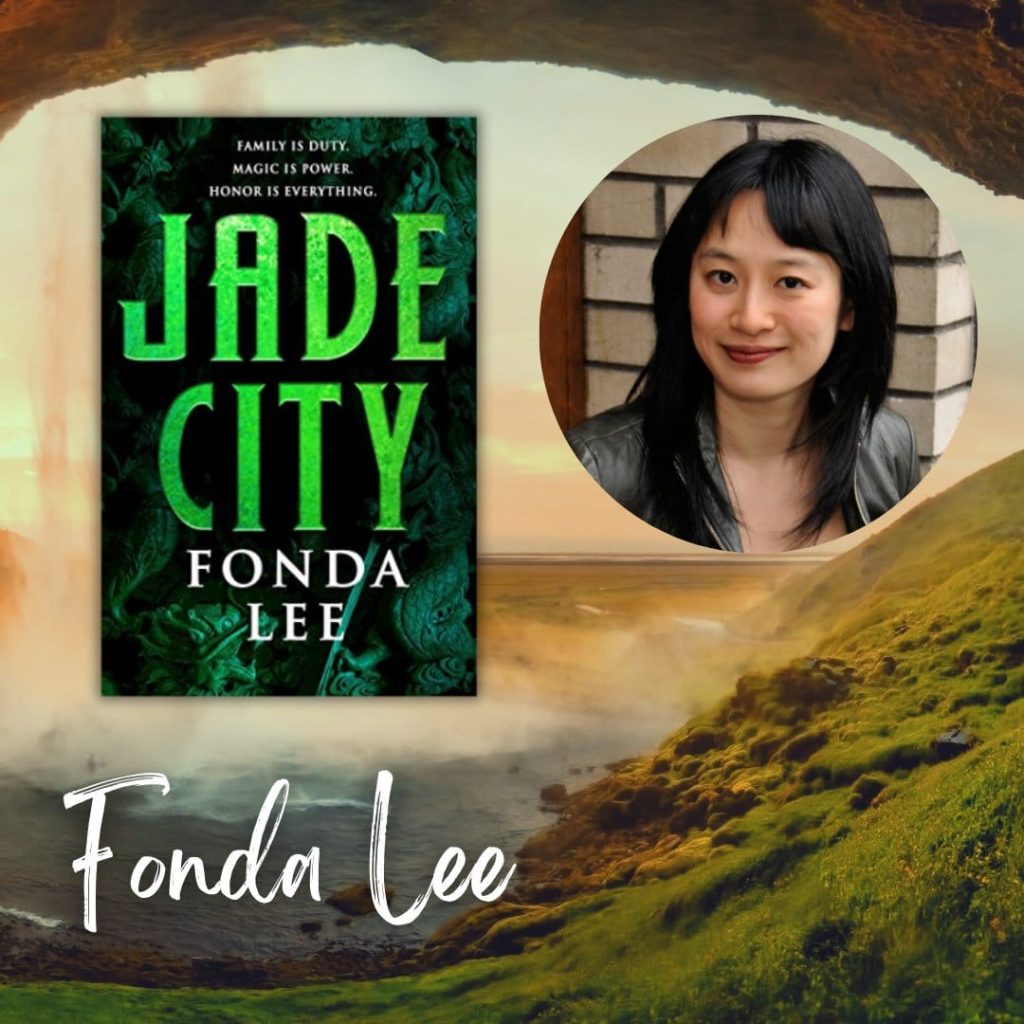
6. Fonda Lee
Fonda Lee writes characters who are strong, flawed, and multi-layered, and hard-hitting scenes that linger in your mind.
Start with Jade City—each book gets better and better. Kaul Shaelinsan is 🔥. Also: Kaul Maik Wenruxian has the best arc and I will hear no arguments.
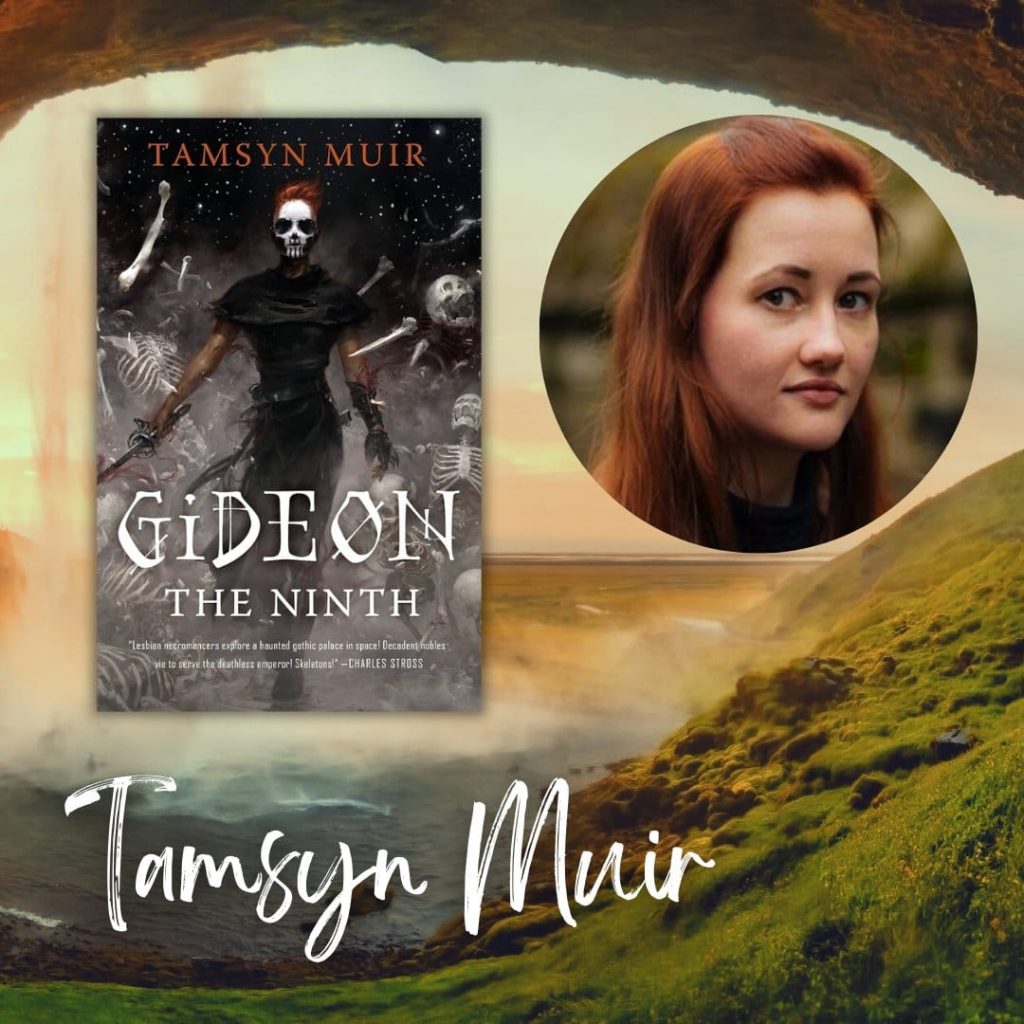
7. Tamsyn Muir
Want insanely imaginative coupled with absolute bloody brilliance and emotional damage?
Read Tamsyn Muir’sGideon the Ninth. Scream. Read Harrow the Ninth. Scream. Reread Gideon, then Harrow, then read Nona the Ninth and just keep screaming and rereading The Locked Tomb with me.
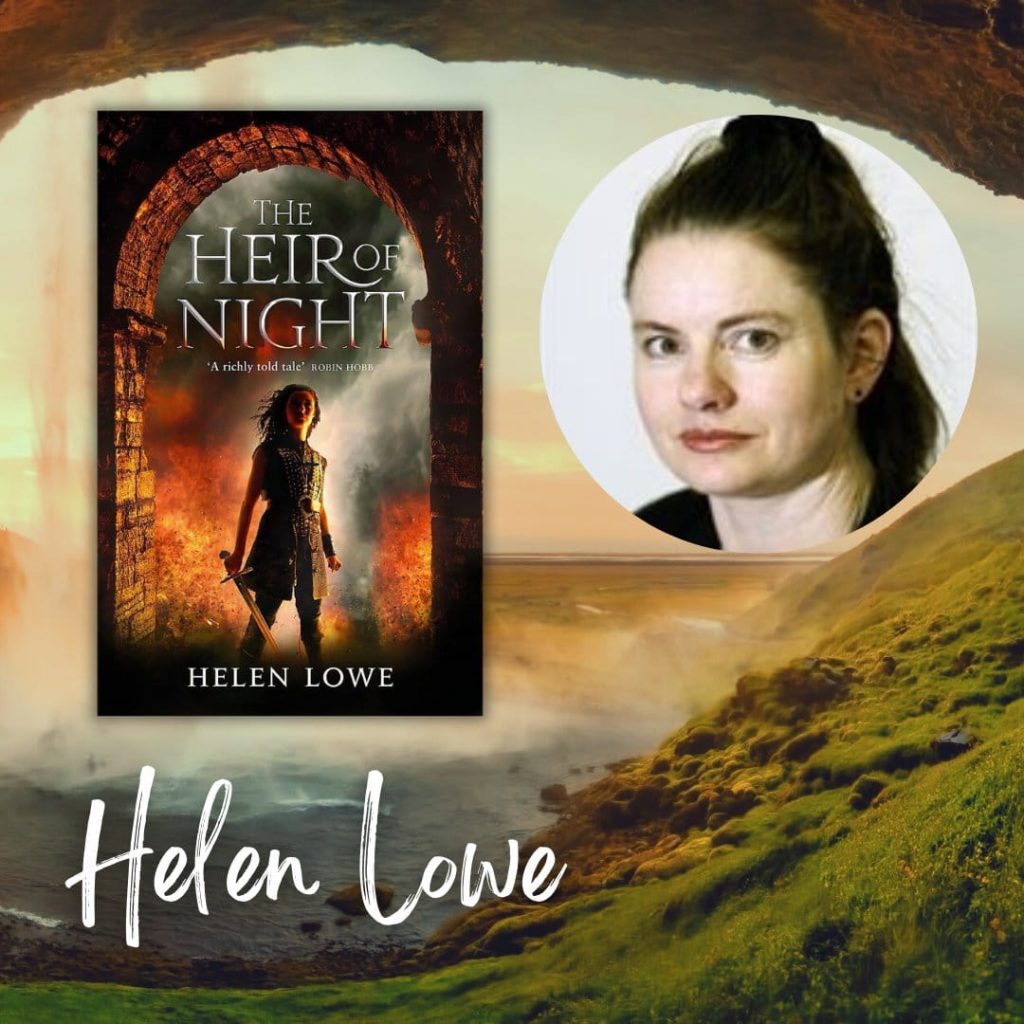
8. Helen Lowe
Helen Lowe writes heroic epic fantasy and is one of the most underrated sci-fi/fantasy authors of today.
Want A Song of Ice and Fire with its grimness tempered by Tolkienesque prose and wonder? Start with The Heir of Night and immerse yourself in the richness of the world of Haarth.
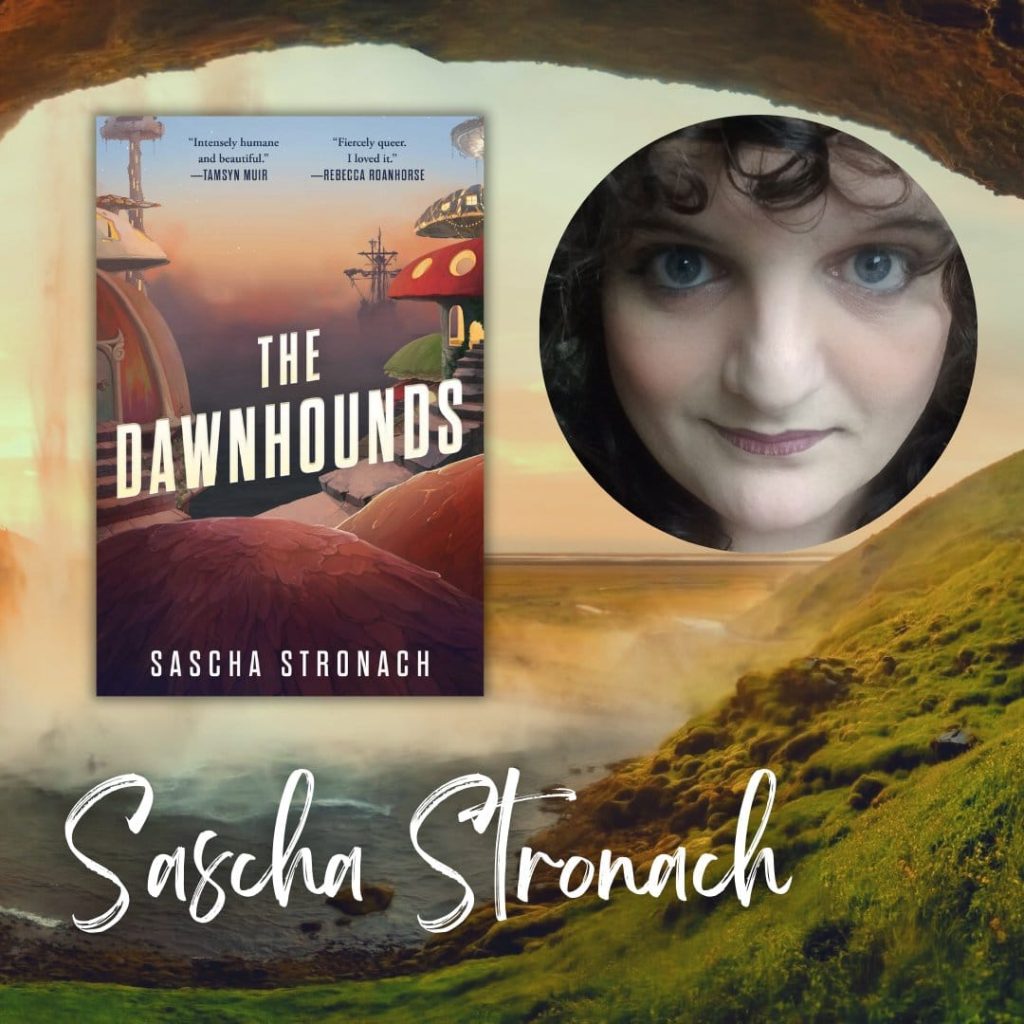
9. Sascha Stronach
Sascha Stronach is a trans Māori author whose self-pubbed debut novel WON a Sir Julius Vogel Award.
The Dawnhounds is post-apocalyptic biopunk queer epic urban fantasy that’s unapologetically Kiwi. You’re welcome.
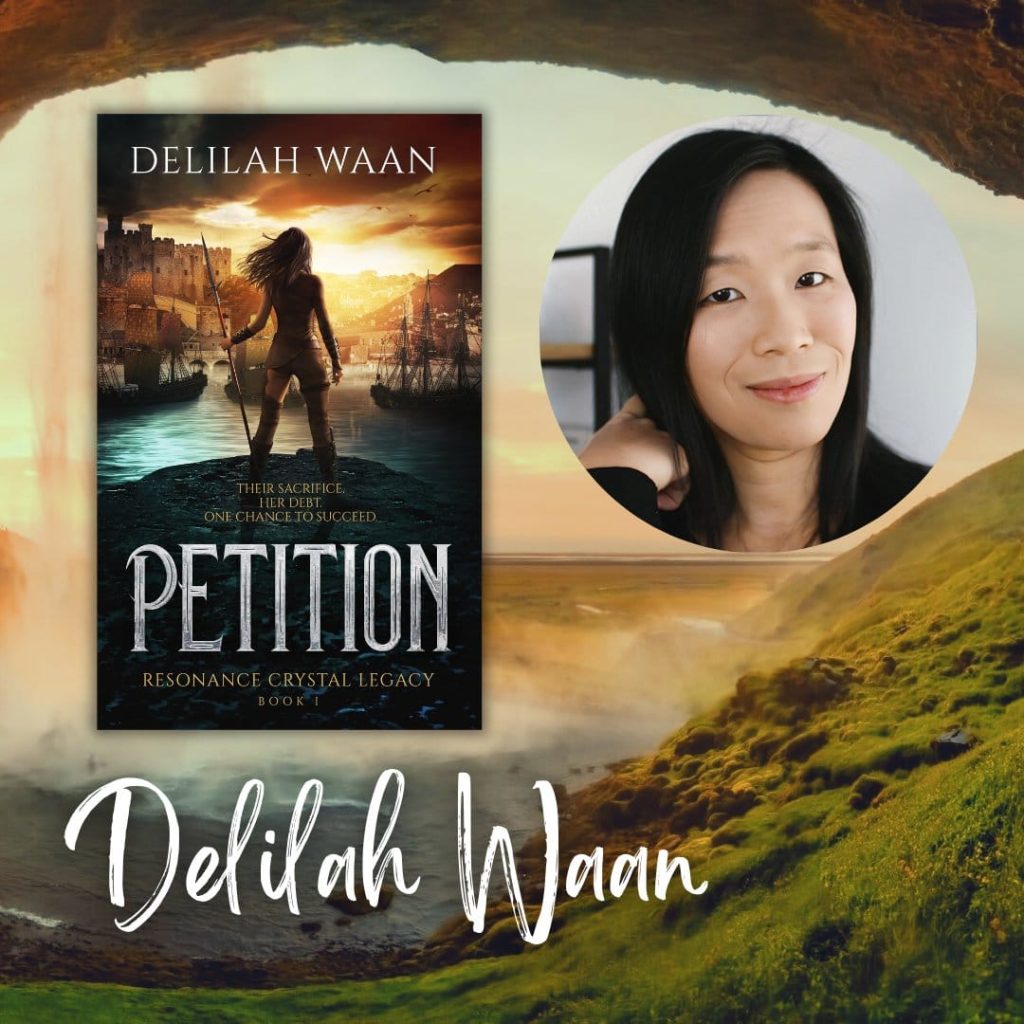
Annnnd hi! I’m Delilah Waan and I write epic fantasy.
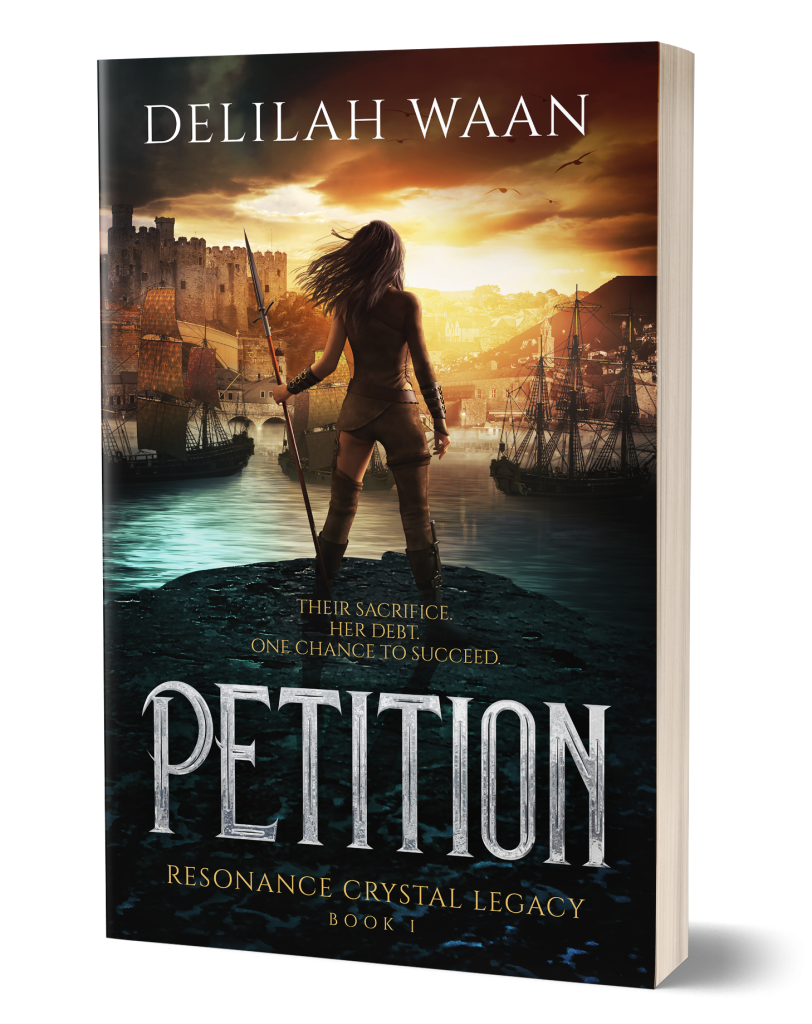
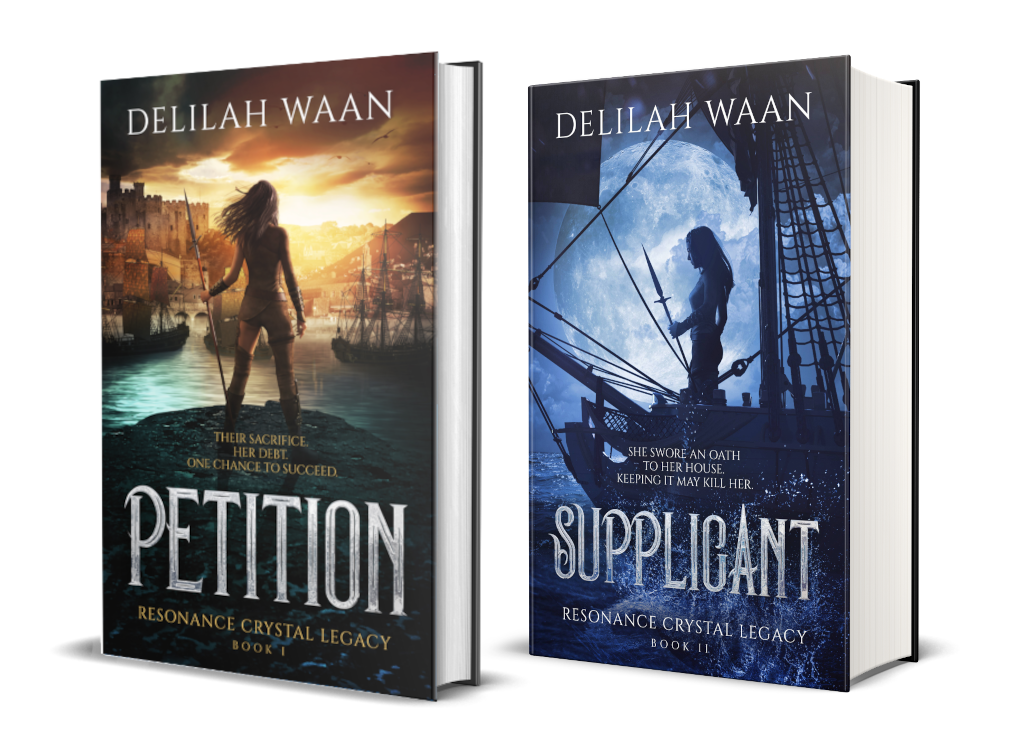
If you want post-magic-school fantasy featuring an angry Asian daughter of impoverished immigrants fighting privileged rich kids in a job hunt tournament, read Petition.
Bonus points if you can spot my influences!
Delilah Waan will forever keep shouting about the incredible women authors of epic fantasy because she is tired of how publishing and the algorithms like to forget they and their works exist.
As of 2025, I permanently moved over to Bluesky and effective from 17 January 2026, I have deleted all of my Twitter posts due to the changed terms of service.
Some of my most popular threads, such as this one, I have preserved on my website (with minor edits, for accessibility and ease of reading) for posterity.
In 2025, I saw more and more fellow authors and readers go from simply expressing their frustrations with Amazon, major book retailers, and other titans of the publishing/book industry to actively making plans and taking steps to reduce their dependency on these corporations.
I’m hopeful that 2026 will be the year where we’ll finally see readers buying and authors selling direct become mainstream.
—Delilah.
We’re approaching the end of #IndieAugust and the final days of the Narratess and Epic Sale of #BelovedSFFBooks sales so I thought I’d do a little financial transparency post on running a $0.99 sale as the average self-published author.
Readers, here’s a peek behind the curtains.
Petition is normally priced at $4.99 USD. Other indie books are often priced much lower, for various reasons, but I feel $4.99 USD (i.e. a coffee) is fair for my book:
594 Kindle Edition Normalized Page Count (KENPC).
~115k words long
430 pages in 5×8 paperback
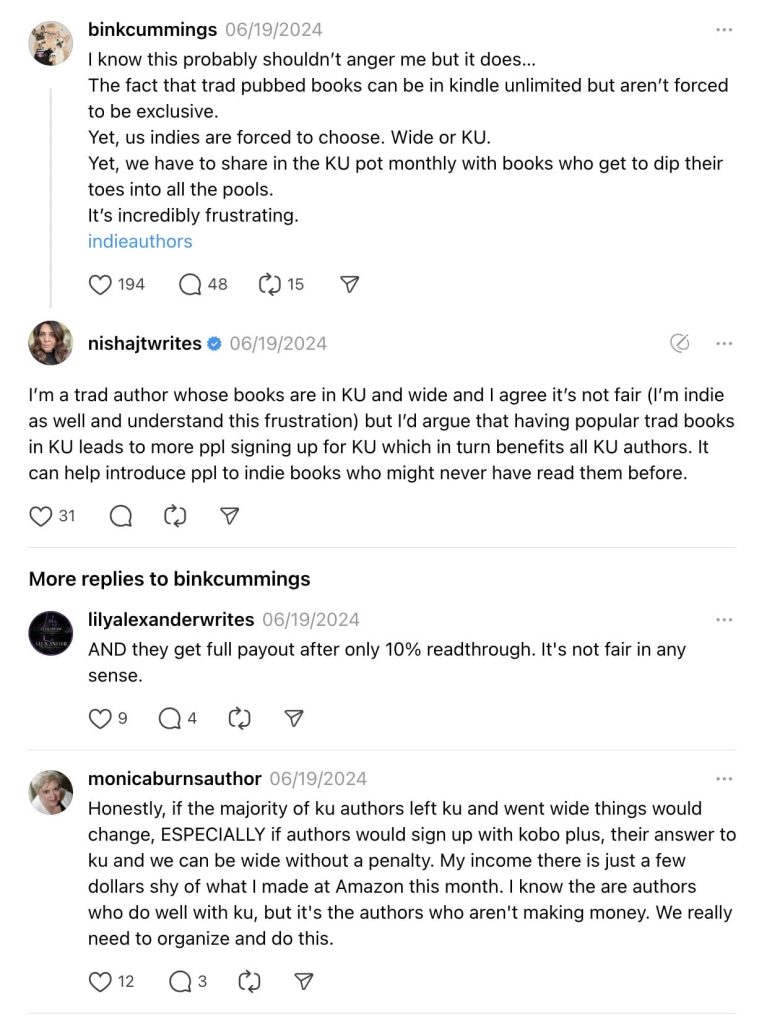
I initially enrolled Petition in the Kindle Direct Publishing Select program. That allows Kindle Unlimited (KU) subscribers to borrow the book. KU is a great deal for readers. It lets you try out as many books & authors for “free” (a.k.a. as part of your mthly subscription).
For indie authors, it’s complicated.
What authors are forced to give up when their books are exclusive to Kindle Unlimited
Whether to put your book in KU is one of the biggest decisions you make as a new indie author.
I got paid ~$0.005 USD/per KENPC (Kindle Edition Normalized Page Count) page read. A full read is~$2.97 USD. But rates are dropping. It’s ~0.0045 now.
The first & most draconian requirement: KU books must be exclusive to Amazon. The ebook CANNOT be available anywhere else. Period.
One of Amazon’s sneaky tactics lies in their UI design, which prioritizes the Kindle Unlimited program.
Lot of readers will click the very prominent KU button instead of the less prominent buy button, and end up borrowing the book instead of buying it as intended.
For a $0.99 sale of Petition:
using a KCD nets ~$0.57 (70% royalty less $0.12 delivery fee)
manually dropping prices nets $0.35
If my book were in KU, I might get accidental KU borrows, which translates to page reads at ~$0.0045/page with 594 KENPC = $2.67
How other retailers/platforms compare to Amazon
A full read on Kobo Plus nets ~$2.38 (NO exclusivity required here).
What I make per $0.99 non-Amazon sale:
Direct = $0.97 (2.2% CC processing fee)
Kobo = $0.58 (45% royalty)
Google Play = $0.70 (70% royalty)
Apple (via D2D) = $0.60 (70% less D2D 10% cut)
Direct is far and away the BEST. Readers pay no more than they would anywhere else but authors get to keep 97% and get paid the NEXT day, instead of weeks or months later.
“But doesn’t the Amazon algo rec your book?” you ask.
Good question!
Amazon’s algorithm and why it isn’t all that it’s cracked up to be if you’re just starting out as a self-published author
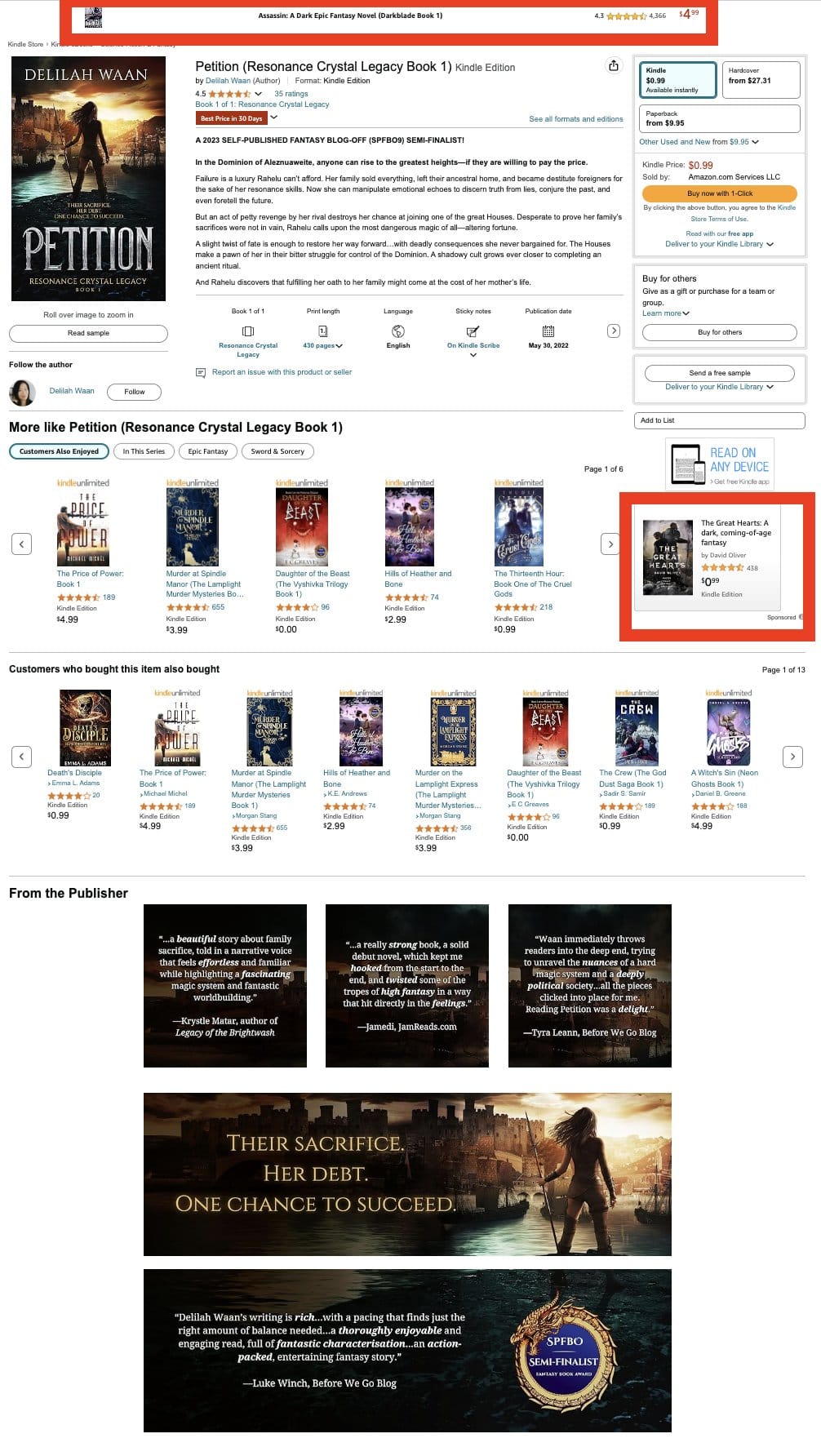
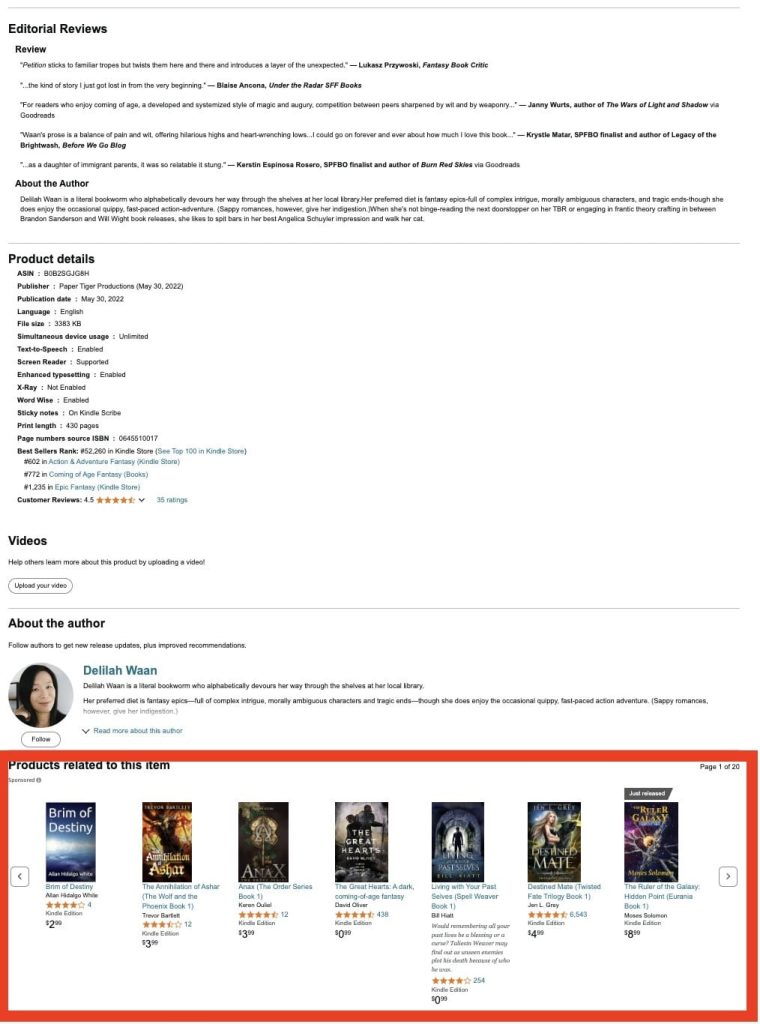
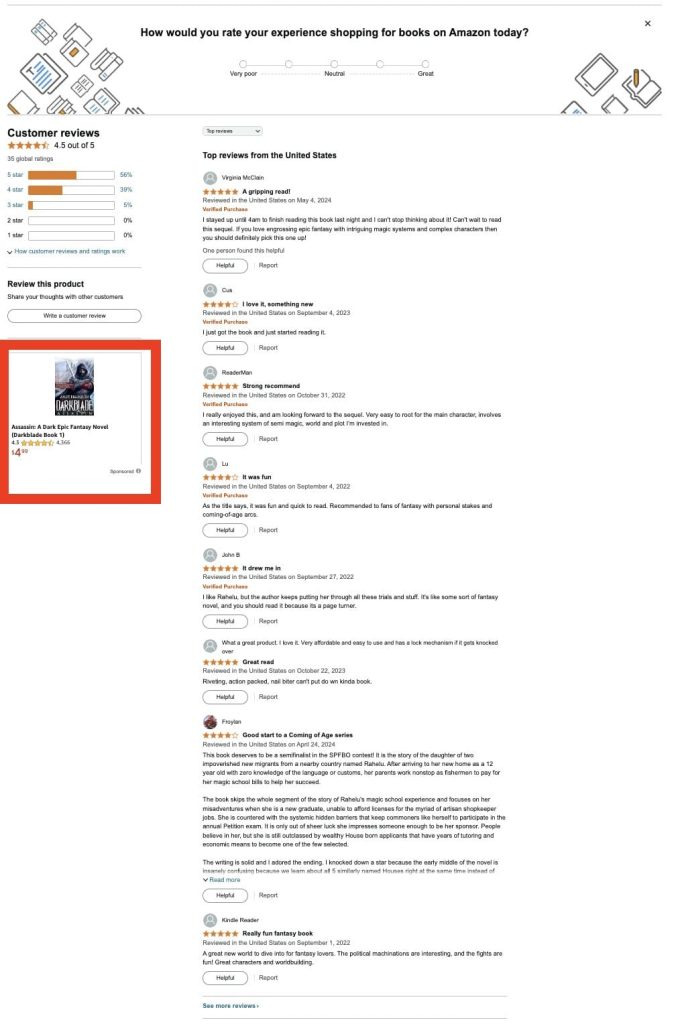
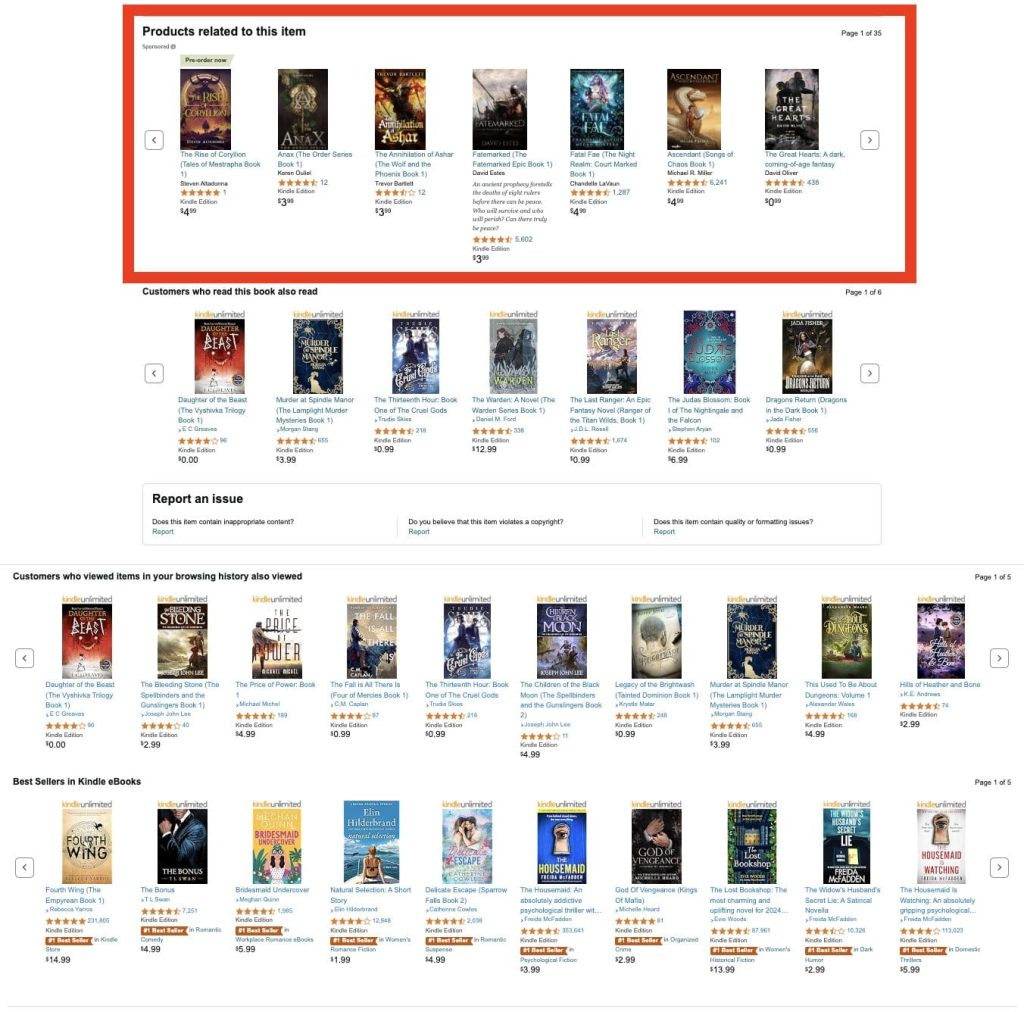
The Amazon “also bought” recommendations can be powerful but these days they’re often crowded out by ads.
Look at all of these ads!
Indie authors are paying Amazon through the nose for these ads. They’re very expensive to run and you often end up losing money.
The best way to benefit from the algorithm is to get enough sales to get your book into the top 100 best seller lists and “stick” there long enough for new readers browsing to find you.
But getting into the top 100 is hard, especially for categories like epic fantasy. You need a LOT of sales in a particular pattern which requires “promo stacking”. For a fee, promo sites like BookBub will send your book out to their subscribers.
Petition also got a spot in Ebookaroo, which is free & run by the wonderful Patty Jansen. International & non-Amazon readers, this is the deal newsletter for you. Books must be available worldwide & at more places than just Amazon to be featured.
Why my books are no longer available on Kindle Unlimited
I pulled my book from KU after 90 days.
Petition is available everywhere because I want my books to be accessible to readers everywhere. And I won’t let Amazon bully me into favoring readers in a few select markets over readers everywhere else.
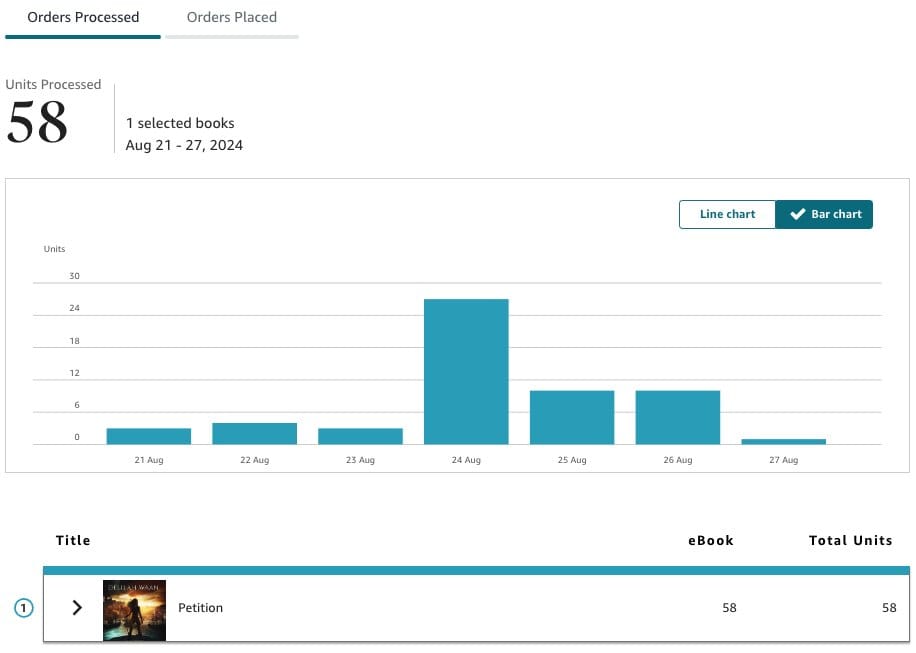
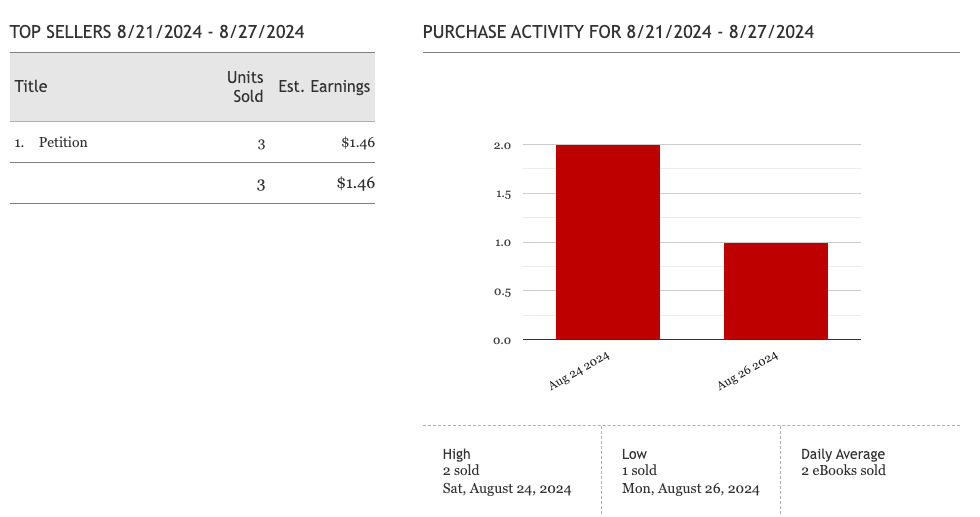
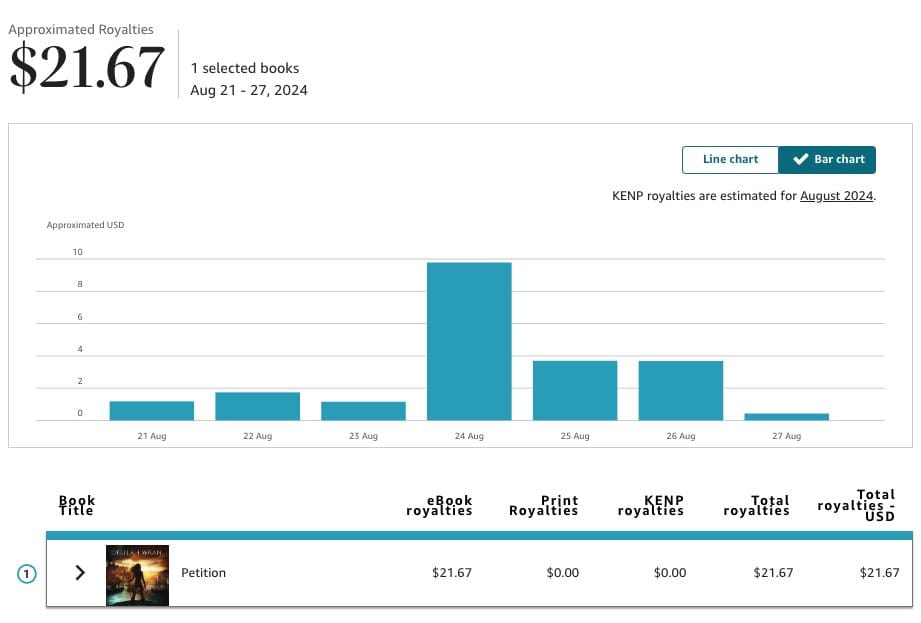
But Amazon is so dominant that 95-99% of my sales still come via them. At $0.35 USD royalty per sale, I need 77 to break even. At the time of writing, I’m at 63 (58 Amazon, 3 Kobo, 1 Google, 1 direct) and will be making a loss.
KDP sales for Narratess Indie August 2024 so far.Google Play sales for Narratess Indie August 2024 so far.Kobo sales for Narratess Indie August 2024 so far.Direct website sales for Narratess Indie August 2024 so far.
Most authors aren’t as fortunate as I am:
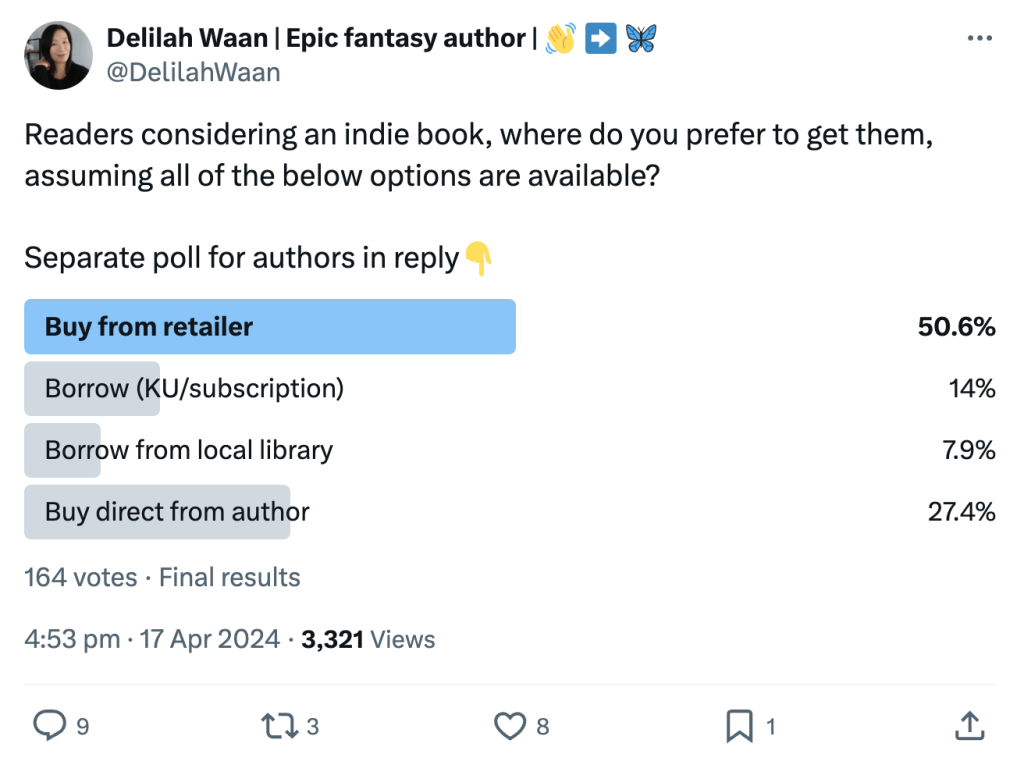
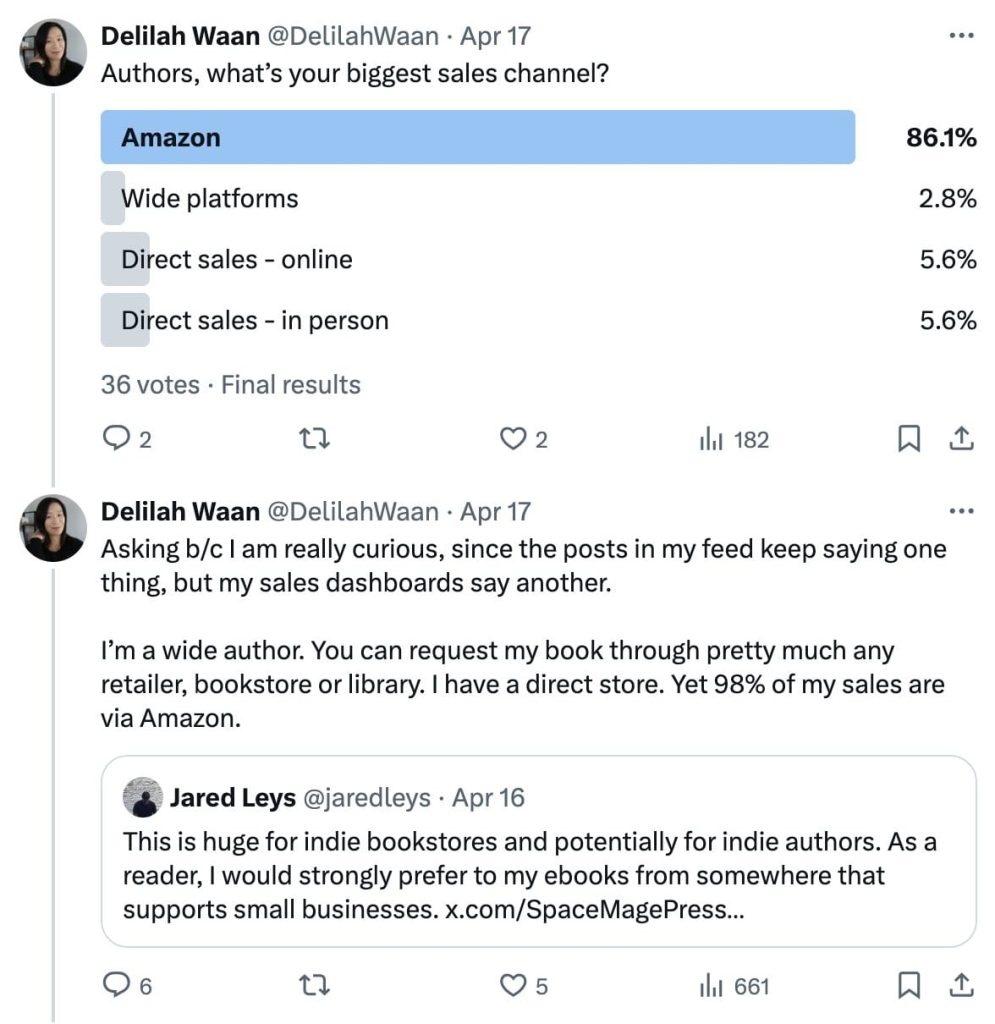
Interestingly, a lot of indie readers would prefer to support indie authors directly…
…but most authors don’t see this happening.
If 10% of the readers who bought via Amazon (6 people) switched to buying direct from my store, I’d be in the black.
They get to own the DRM-free ebook file. Forever. No being locked in and held hostage by your library to a particular retailer or device.
I’d get to keep 3x the royalties—enough for a nice birthday dinner! 🎉
I’m thankful for every reader who gives my book a shot, no matter how you found me. But I thought this was important to share with you so you know your purchasing decisions matter!
Why indie authors choose to run Kickstarter campaigns (and why readers should back them)
Written by
Delilah Waan
This article was originally posted as a reply to on Twitter on 13 September 2024. As of 2025, I permanently moved over to Bluesky and effective from 17 January 2026, I have deleted all of my Twitter posts due to the changed terms of service.
Some of my most popular threads, such as this one, I have preserved on my website (with minor edits, for accessibility and ease of reading) for posterity.
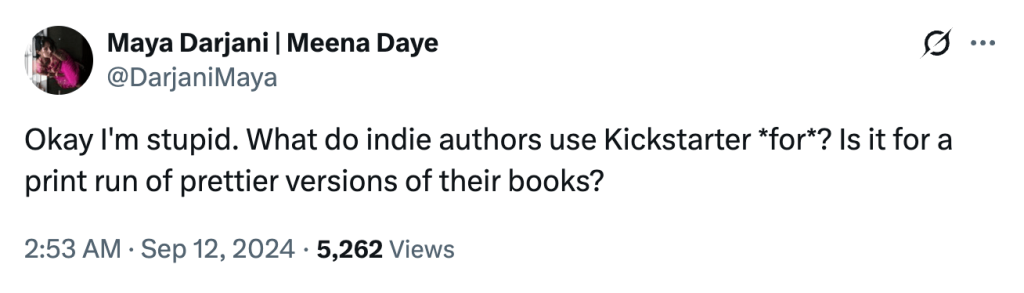
In September 2024, fellow author Maya Darjani had a question:
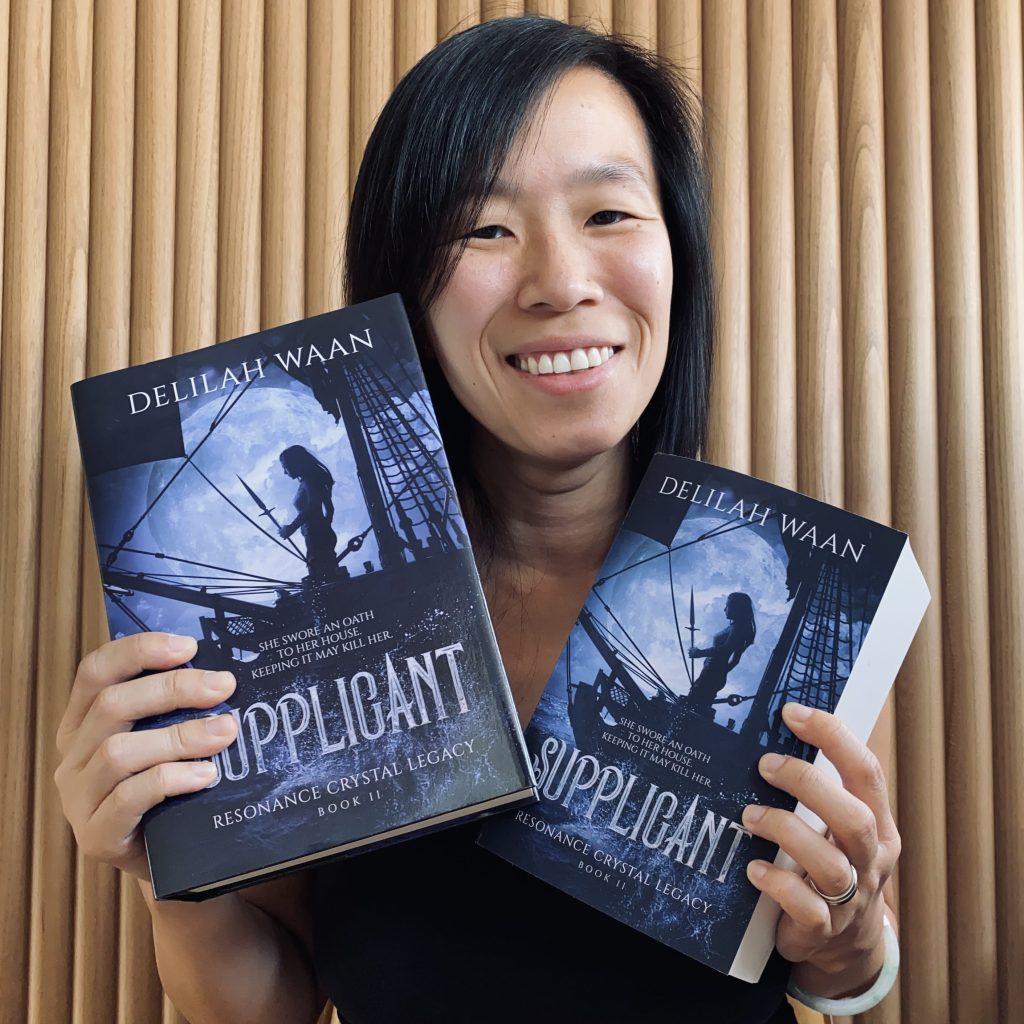
At that time, I was getting ready to launch Supplicant on Kickstarter so I chimed in with some thoughts.
Looking back at this post in January 2026, having successfully wrapped the campaign and fulfilment, I can say with 100% certainty that launching on Kickstarter was absolutely the right choice for me and my readers.
—Delilah.
There are probably as many reasons and as many ways to run a Kickstarter as there are indie authors, but since I currently have a campaign in pre-launch for Supplicant, I thought I’d share the reasons behind what I’m doing and why.
Find new readers
If no one knows about your book, no one can consider reading your book!
Therefore, you must get the word out. Standard operating procedure (whether trad or self-pub) is to use comps a.k.a. “this book is X meets Y but Z”
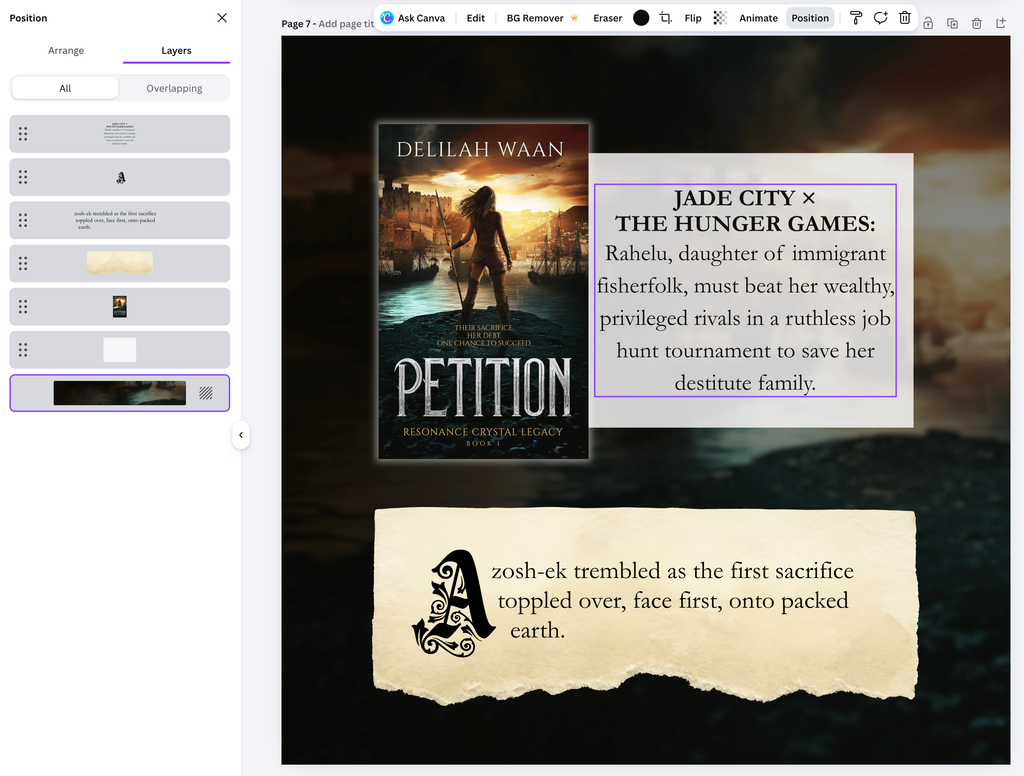
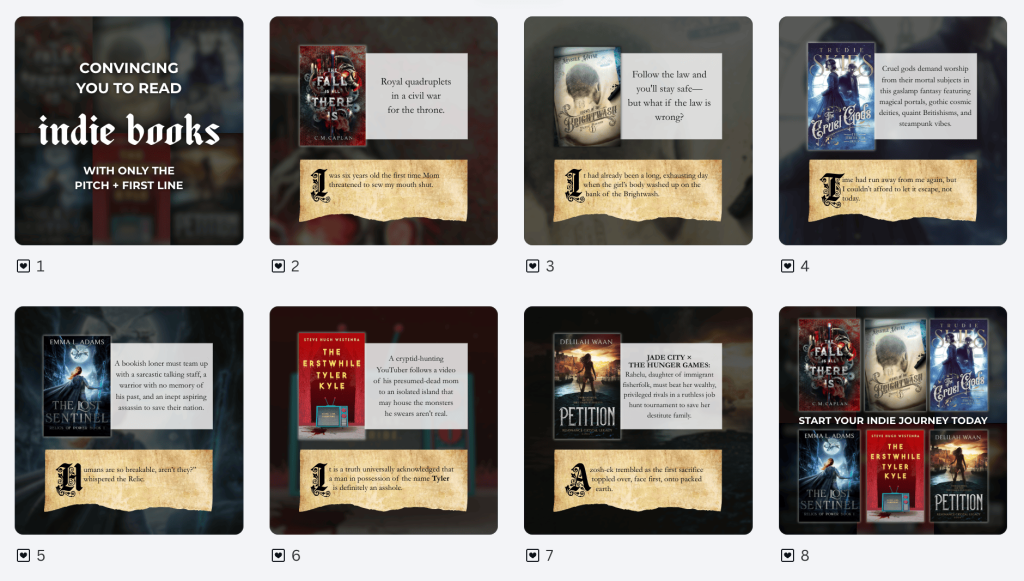
Jade City x The Hunger Games
To save her family, Rahelu must beat her wealthy, privileged rivals in a ruthless job hunt tournament.
An immigrant fantasy about love, debt, ambition, and sacrifice.
As a new author, I genuinely believed this funnel diagram (pictured below) to be an accurate representation of how to get people to read my book.
It is…and it isn’t.
Look at the top of this funnel. Can you tell me what’s missing?
It’s traffic. No traffic? No readers.
The discoverability problem
More books are being published than ever before, but discoverability is also worse than ever before. You can’t run out of online shelf space, but you can get buried so far down the search results that no one will find you.
Hence, traffic.
Where traffic comes from (and what it costs)
Content marketing (e.g. social media, blog posts) is “free”. Get good enough at it to create consistent, possibly viral content, and you can generate a lot of traffic.
It looks easy, but is very hard to master, and it also eats up writing time.
Cross-promo, where many authors band together to promote an event, is another option. The Narratess sale is a good example where the buzz of having 350+ books generated far more traffic for every participating author than they could individually.
You can also pay for traffic. Common options & ballpark USD costs:
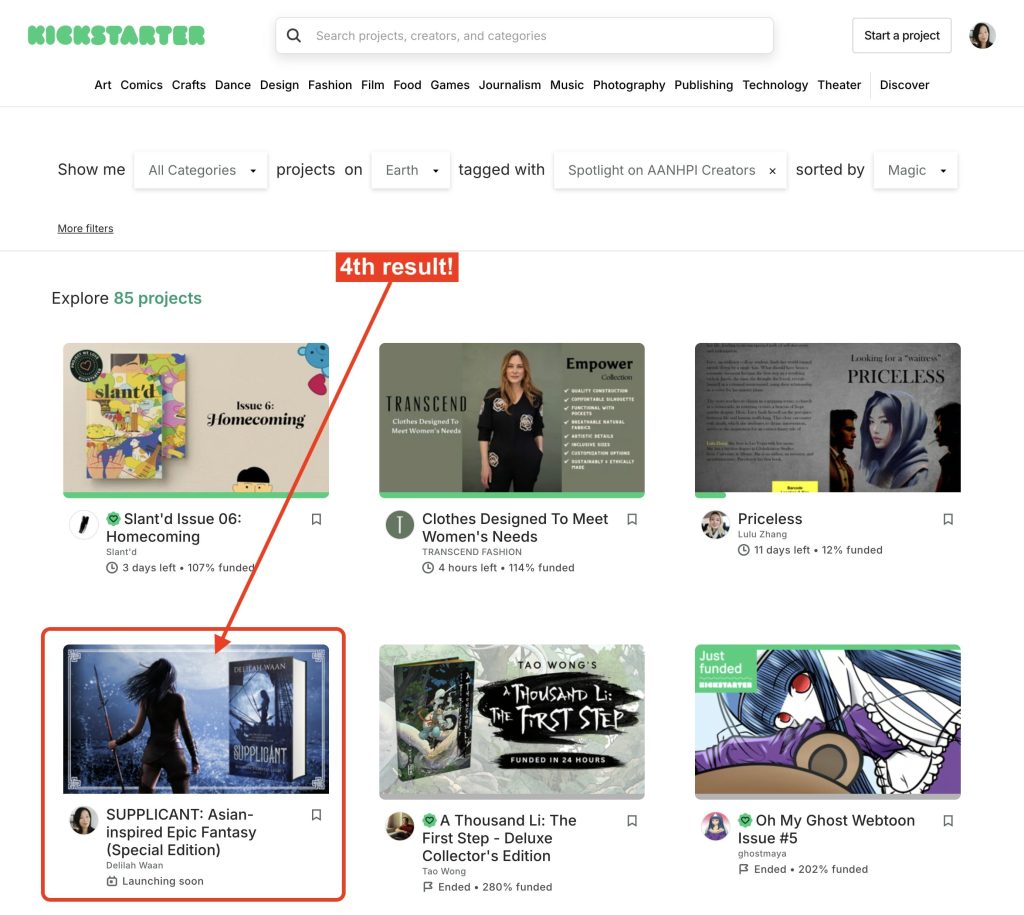
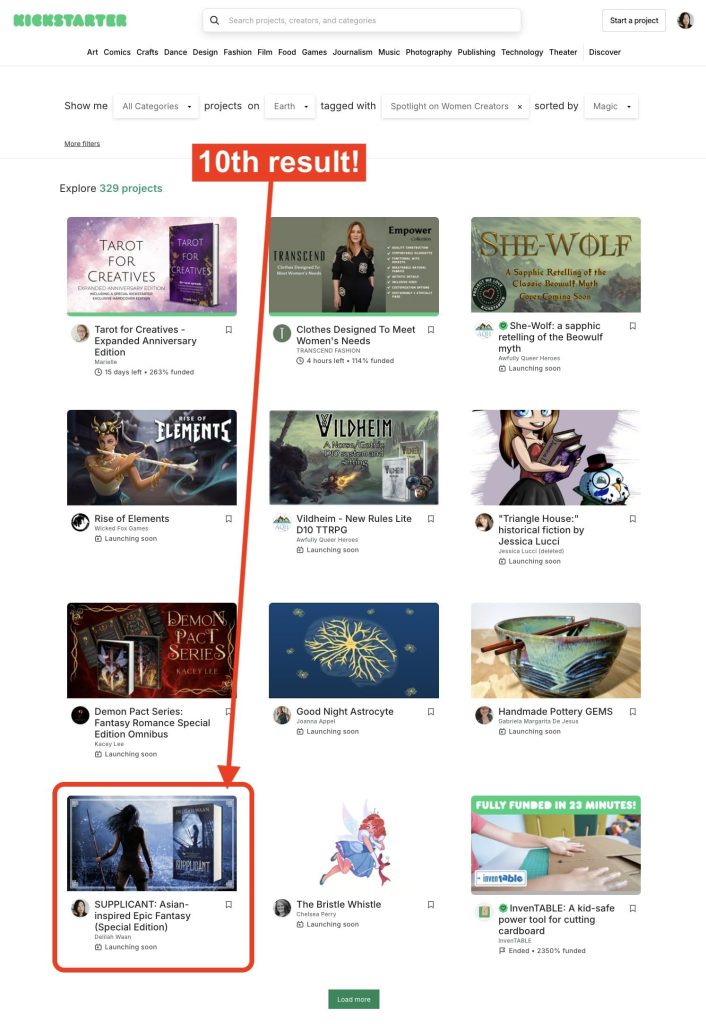
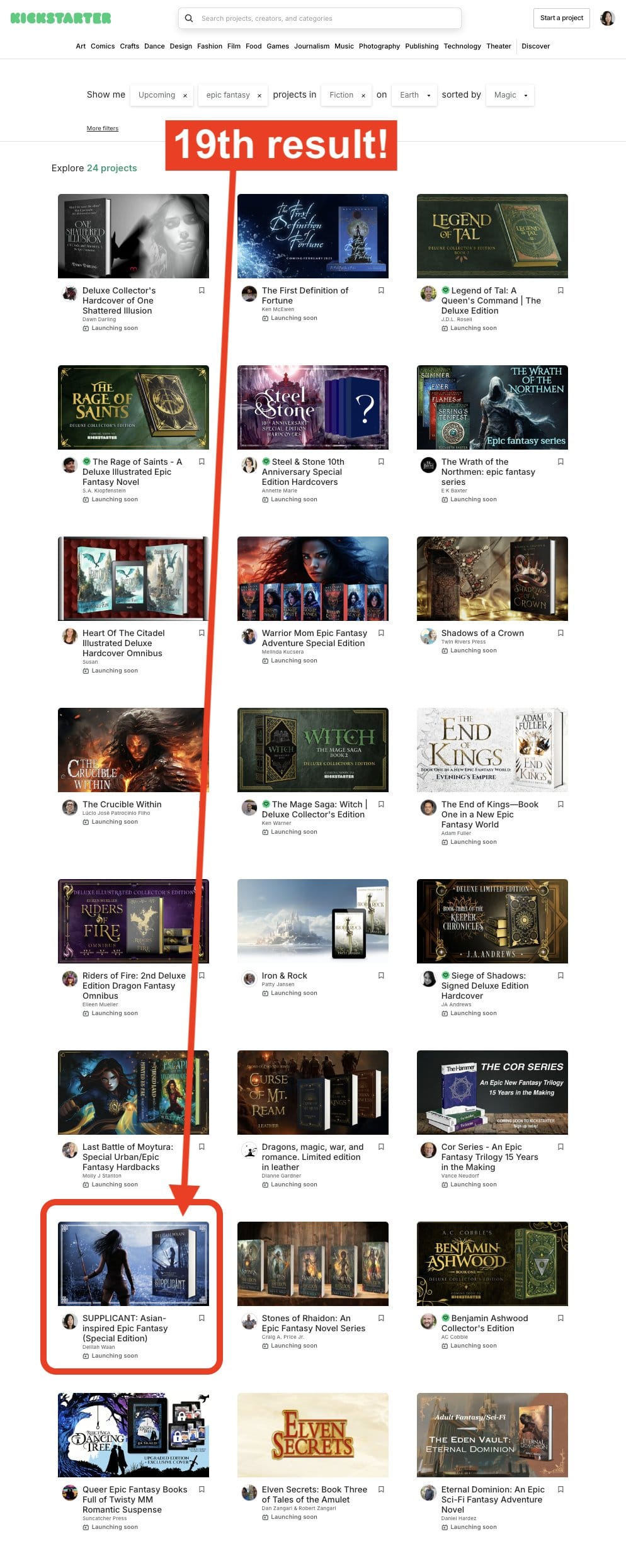
Sorted by “Magic” = random. Every project has a chance to be on page 1.
Kickstarter also prioritizes current & upcoming campaigns.
It’s easier to be discovered if I’m 1 of 24 upcoming epic fantasy publishing projects versus 1 of 24000 (or even 240) new epic fantasy releases on the Kindle store…because if you’re not in the top 100, you’re invisible.
Discoverability alone is a powerful reason to try out Kickstarter, but it’s not the most compelling reason for me. This is:
Make a liveable wage from my work, with less financial risk
Here are some numbers for you, from a former Chartered accountant.
Books are a volume business. You have to sell a lot of them to make a living from them. Trad pub works by taking a portfolio approach a.k.a. throwing a lot of things at the wall & seeing what sticks. The hits pay the bills.
It’s gambling.
That model doesn’t work for (early stage) self-published authors because you only have your books.
The most important thing self-published authors need to understand is their breakeven point. Given X amount of investment in your book, how many copies do you need to sell to break even?
“How much should I invest in my book?” is an individual question—it varies based on what you can afford, your skills, your network & your risk appetite.
The more formats & distribution channels you add, the more complicated things get.
Let’s start with ebooks.
How much does it cost to publish an ebook?
The ebook is your minimum viable product. You can get fancy, but for a basic ebook that
will appeal to your target readers
can be downloaded from an ebook retailer & read on most devices
all you need is an ISBN & a cover. ~$500 USD tops.
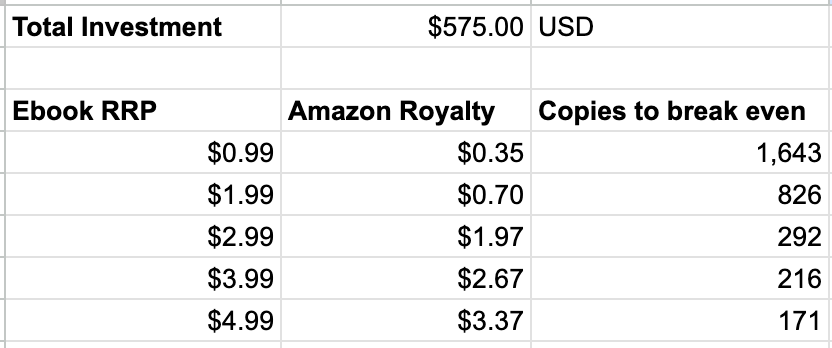
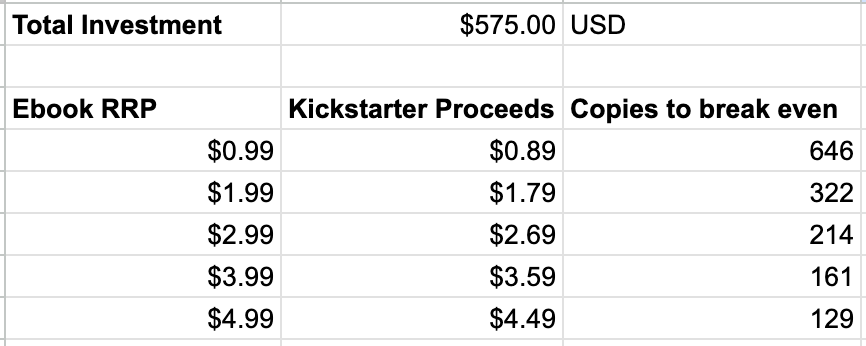
Here’s my cash outlay for the ebook of PETITION: $395 USD Damonza cover $180 AUD beta reader rewards & proof copies* $88 AUD ISBNs (x10) = ~$575 USD
*Since I did paperback & hardcover, I offered my beta readers print copies of the published book, if they wanted them
Breakeven point (BEP) = Total Investment / Profit per Unit
Most self-publishing platforms pay authors on a net basis.
When you buy a book on Amazon for $2.99, Amazon takes your money, takes out their cut (30% + download fees), & pays the balance to the author.
BEP changes based on different price points. Using a very simple model of Amazon USD sales only:
At $0.99, I need to sell 1,643 copies. At $4.99, I need to sell 171 copies.
Every cent I earn after my BEP goes to my cost of living (CoL). Sydney, Australia is high CoL so $575 USD/wk is actually not liveable for me. But it’s enough elsewhere, so let’s say this is how much I need to sell per week via Amazon to live.
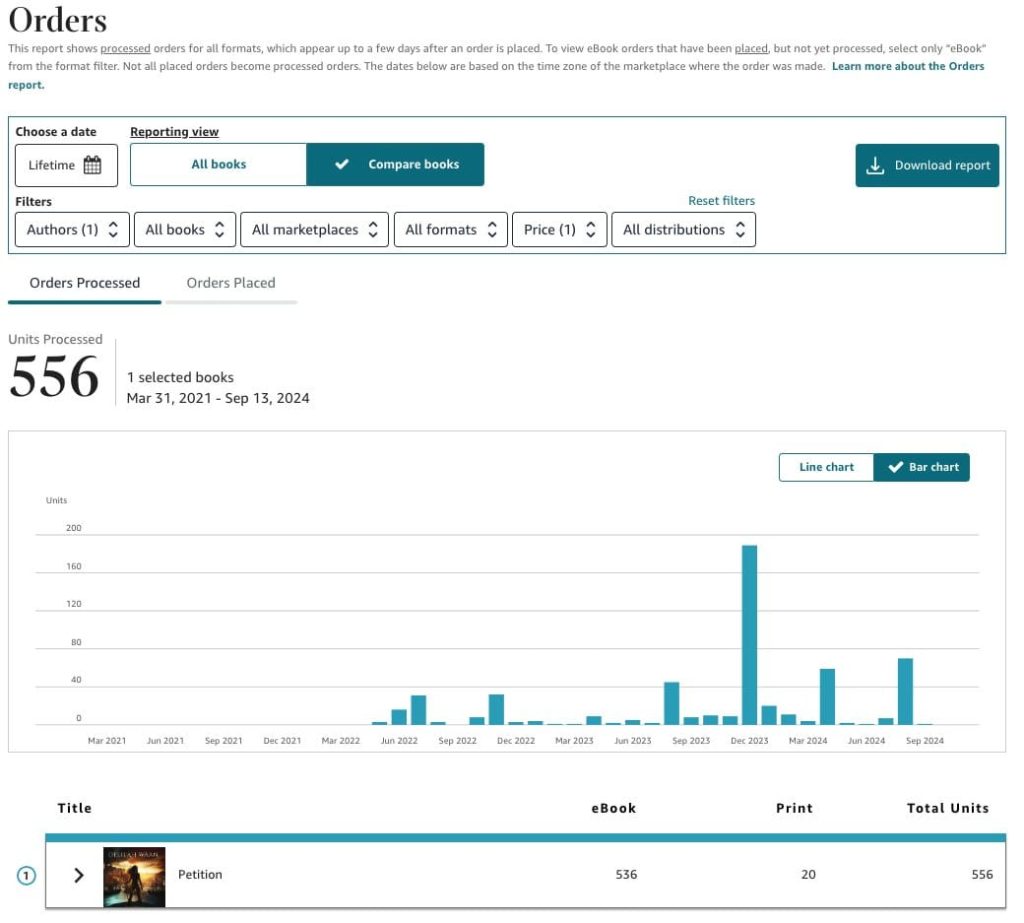
1643 new readers is a LOT of new readers to find. Even 171 new readers is a lot. For context, it’s taken me over 2 years to crack 500 paid copies sold, with the vast majority during $0.99 sales and mainly relying on driving traffic via social media.
Since not every reader who sees your book will end up buying the book, in order to find 171 new readers, I need to get my book in front of WAY more people.
But then I end back up at the discoverability problem, and it becomes a bit of a vicious cycle.
The real winners in a system with broken discoverability
Under this broken system, the only winners are corporations like Facebook and Amazon, and book marketing/promo services. What authors earn in royalties gets immediately funnelled back into ads and promos…and the cost of those go up because of demand!
It doesn’t have to be like this.
The BEP is so much lower if readers buy from me directly, especially at lower price points, because I get to keep 97% of the sale price AND I get paid the next day.
At $0.99, I only need to sell 593 copies At $4.99, I only need to sell 119 copies
Direct makes it easier for me to earn a liveable wage with a smaller audience. That’s important!
Barriers to buying direct from authors
Unfortunately, even though indie readers love to support indie authors, many readers are not in the habit of buying direct.
Amazon has a very powerful lock on readers’ purchasing behaviour because the experience is seamless, as they own the whole vertical from shop to e-reader.
To convince someone to buy direct, I have to:
get them to go to my website, not Amazon’s
have them be ok with going an extra step to load the ebook to their e-reader
I lose 99% of people at step 1, because they’re used to going to their retailer.
BUT with Kickstarter…
What makes Kickstarter different to (and better than) Amazon
Kickstarter as a platform began as a way to help creators bypass gatekeepers and logistical and financial barriers by connecting them directly with their audience. They actively put the direct connection between creators and backers at the heart of their business model.
Amazon does everything possible to keep authors from connecting with their readers. Even if you follow me on Amazon, there’s no guarantee you’ll actually get an alert when my next book comes out. And they definitely won’t tell me how you found my book. It’s a black box.
Kickstarter is the complete opposite to Amazon. They’ve built a culture where creators are encouraged to connect with backers as much as possible & backers are in the habit of supporting creators directly.
Successful Kickstarters often develop thriving communities of their own.
How Kickstarter becomes a game changer for authors
Assuming you can write a book, getting it published as an ebook is pretty easy.
With print on demand, even paperbacks & hardcovers are easy, assuming you can invest a little more upfront for a full wrap cover & dust jacket (optional, there’s budget ways around it)
But print on demand (POD) is very expensive. It is easily 2x (or more) of what it would cost for an offset print run.
Authors end up pricing as low as possible, so our readers don’t have to pay through the nose, but we make next to nothing on POD print copies.
POD books also just aren’t as nicely made as offset printed books.
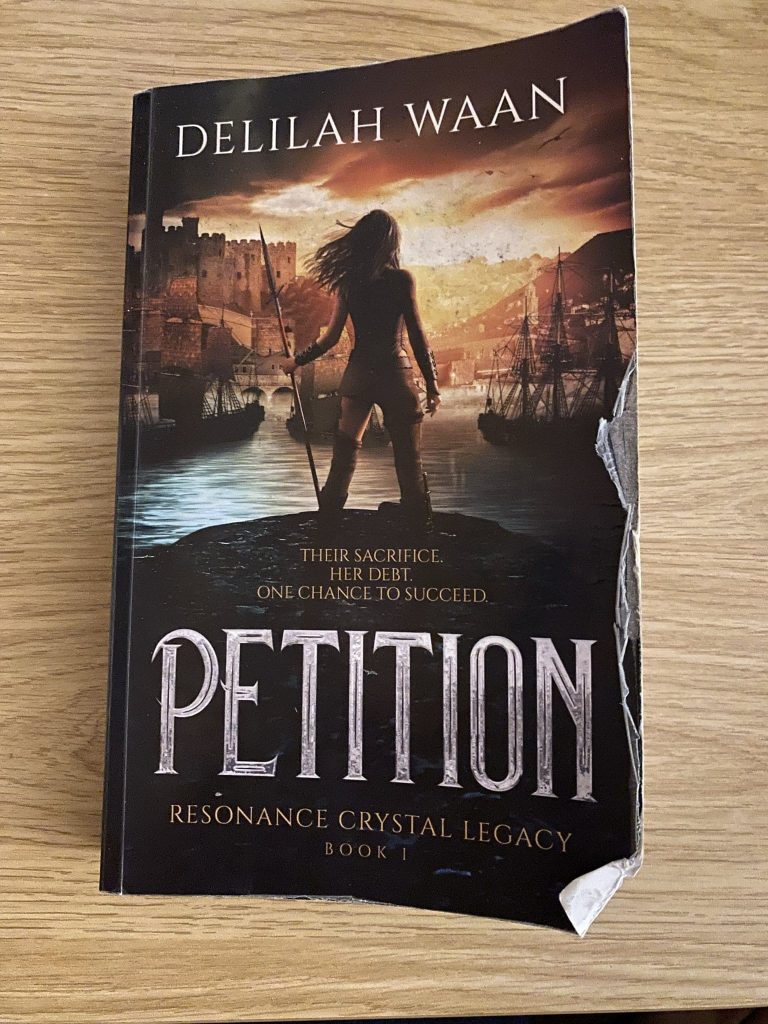
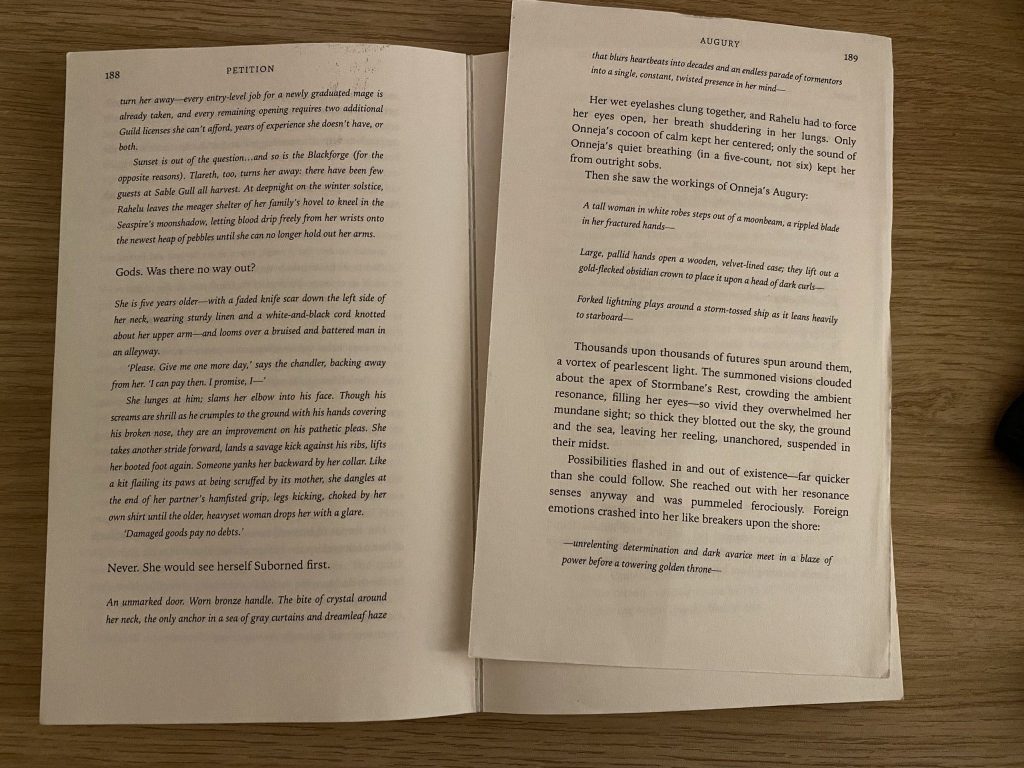
This is my Amazon KDP POD copy of Petition. It’s my reference copy so it lives on my desk and I do flip through it a bit. But it’s only 2 years old and the cover’s peeling and pages have come loose.
While some places like BookVault now offer features like foiling, ribbons, custom endpapers, digital edges, et cetera, stuff like smyth-sewn binding, faux leather/cloth covers, complicated foiling still require an offset print run.
Those have minimum order quantities.
There are offset printers who will do runs as small as ~50-100 books. But the machines they use cost a lot to set up, so it doesn’t really become economical unless you’re doing 200, 300, 500 books.
This is ~100 copies of a ~700 page fantasy novel:
This is about ~250 copies:
It’s a lot of books. Forget coming up with several thousand dollars cash to invest in inventory; just finding a place to store all of these is a challenge.
Kickstarter helps indie authors de-risk book launches
Every author’s circumstances are different so their risk appetite is different.
For me, personally, I can’t justify investing in a print run for 200 books when I know it took me 2 years to sell 500—most of which are ebooks at $0.99.
By running a Kickstarter campaign, I can gauge how much interest there is in a given format before I put any money down.
Are there only 10 people who want hardcovers? No problem, I’ll stick to print on demand.
Are there 100? Great! I can go to an offset printer.
By the way, Kickstarter’s cut is only 10% and half that goes to payment processing.
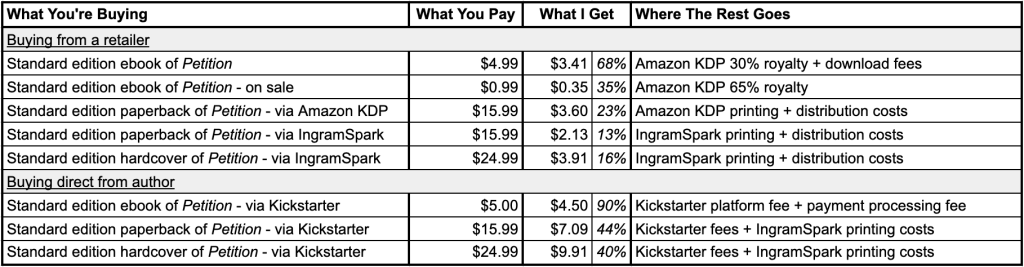
Retailers like Amazon take 30% or more.
Kickstarter backers pay the same (sometimes less) than they would at retail. But more of the money makes its way into my pocket.
Since Kickstarter has better discoverability, I don’t have to pour all of my earnings back into ads/promos just to make sure people are seeing my campaign so I have a chance at finding new readers.
You know what I can do with that money instead?
The impossible becomes possible
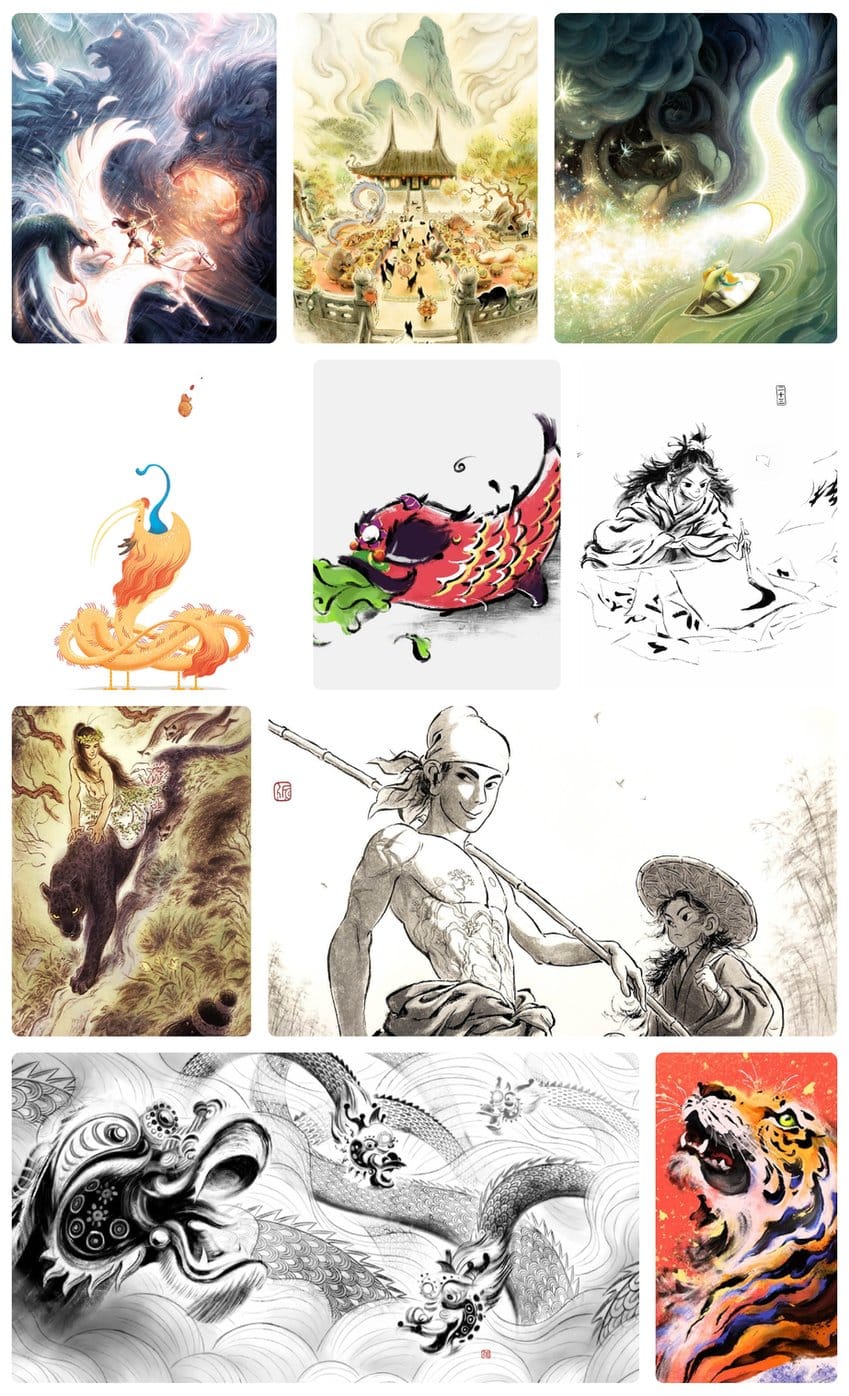
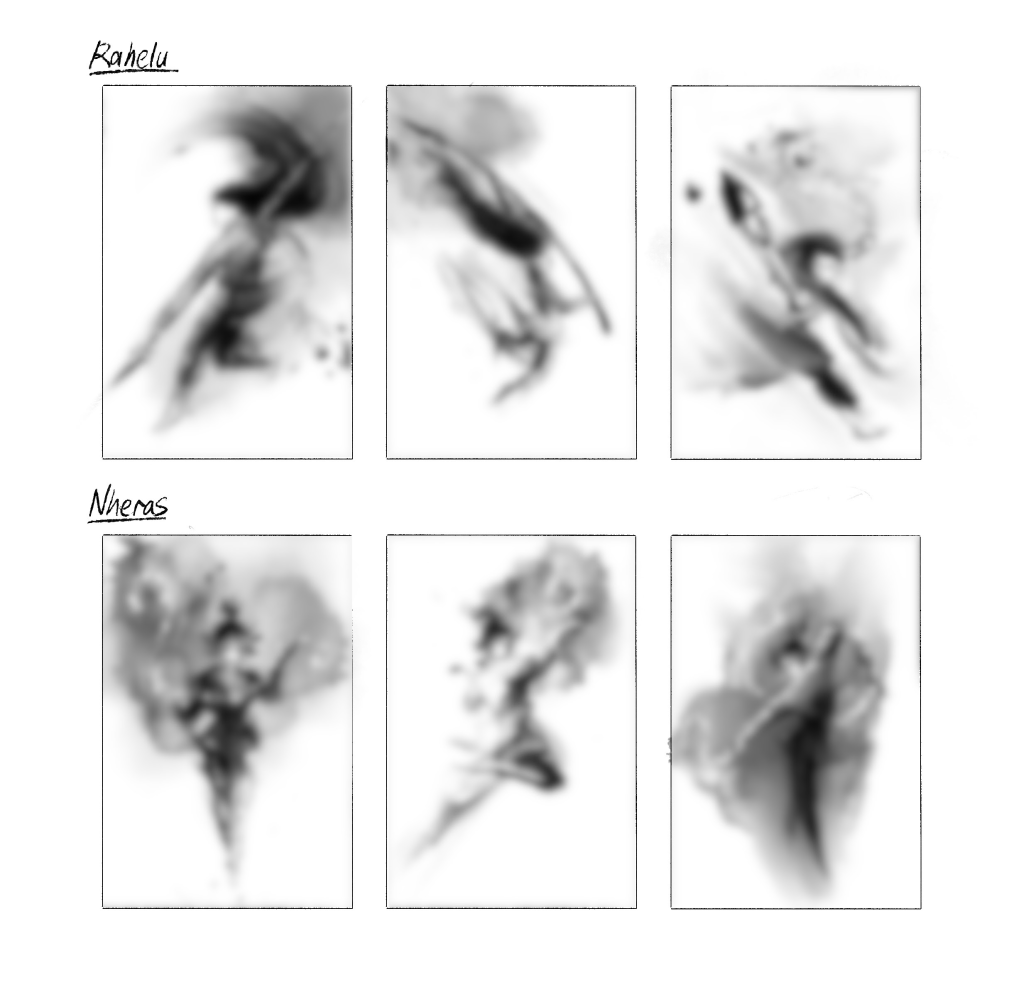
I can commission art from brilliant, talented human artists like Rosemary Fung.
Rosemary is painting character portraits and STUNNING special edition art for my books that I cannot wait to share with you.
I don’t visualize when I write. I don’t do mood boards or fan cast actors. There’s very few descriptions of what my characters look like in my books.
It’s hard to describe how I felt when I saw Rosemary’s concepts for Rahelu & Nheras.
(blurred, because draft)
Like up until then, Rahelu & Nheras were just collections of words in my mind, right? Maybe the words had made it out in a specific order onto somebody’s screen or a page somewhere but still—they were just words from my brain.
Now they’re real.
As a self-pubbed author, I have a limited budget. But with the way Kickstarter works, how it encourages the forming of communities and for backers and creators to go on a journey to make amazing and cool things, the sky is really the limit.
Why you should support authors by backing on Kickstarter, instead of waiting for retail release
I’ve seen people wondering whether there is any point to backing a Kickstarter if it’s just the same as the retail edition, and they don’t care about early access.
Answer: Yes.
It makes a significant difference to the author. These numbers add up.
By backing a Kickstarter, you’re joining a movement that encourages supporting authors and creators directly, rather than concentrating economic power in systems that primarily benefit giant corporations like Amazon.
Kickstarter has been around for 15 years now. While there’s been some high profile duds, there have been many Kickstarter success stories.
Fantasy authors, in particular, benefit given the trail-blazing, record-breaking Brandon Sanderson example:
People have a level of trust in the Kickstarter brand & platform. KS projects, too, benefit from being time-limited events.
It’s easier for an author to convince readers to back a one-off Kickstarter campaign than to buy direct from their store.
Kickstarter is a virtuous ecosystem. By encouraging creators & backers to connect & form communities, everyone benefits & grows with the platform.
Amazon’s system, however, enriches the platform at the expense of customers & authors.
Ways to support an indie author’s Kickstarter
I’ve talked a lot from the author side, so I want flip to the reader perspective for a minute and acknowledge something important:
Not everyone is in a position to back a Kickstarter.
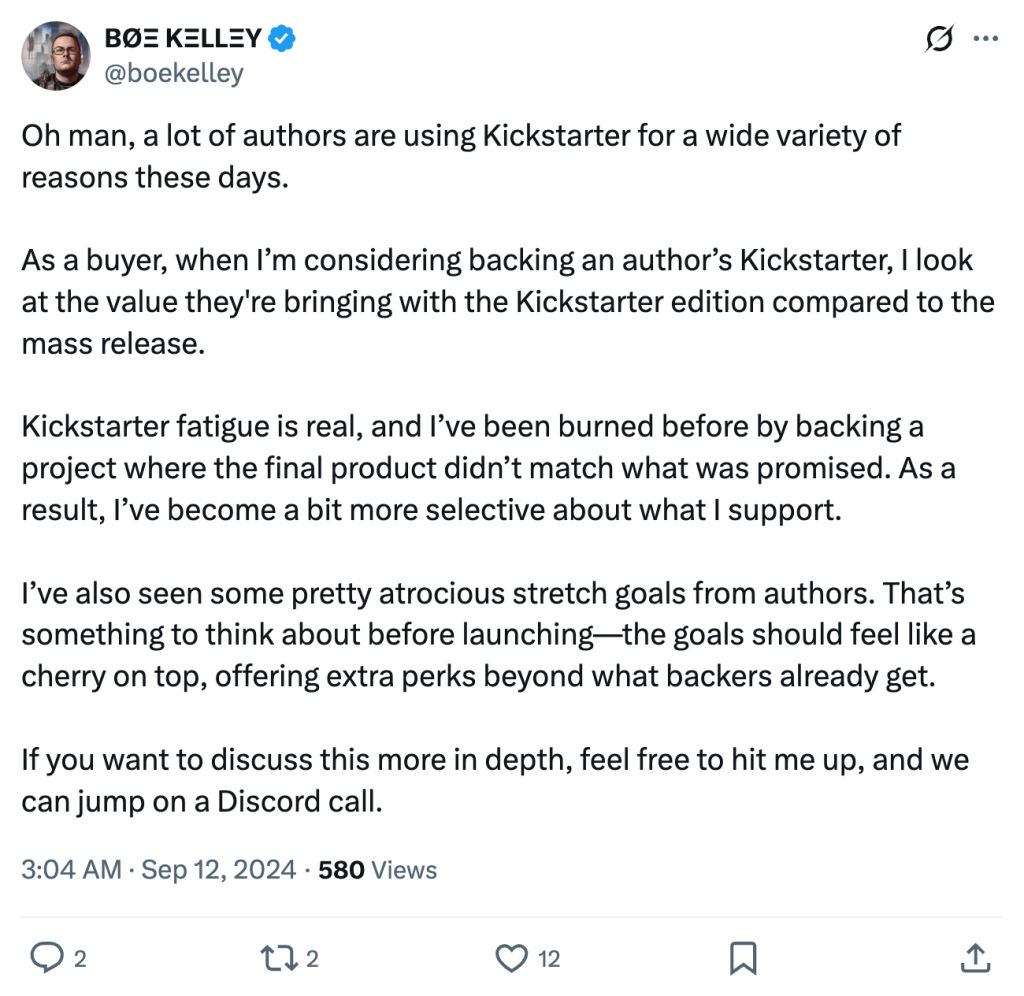
Also Boe Kelley made some excellent points in replies here:
Please don’t come away from this thread with the impression that Kickstarter is the “only” or “right” or “best” way to support indie authors; it’s one of many ways.
Any form of support—even small actions to like and/or retweet—is wonderful. It all adds up.
Conclusion
I hope this has answered some of the questions about why an indie author might choose to do a Kickstarter.
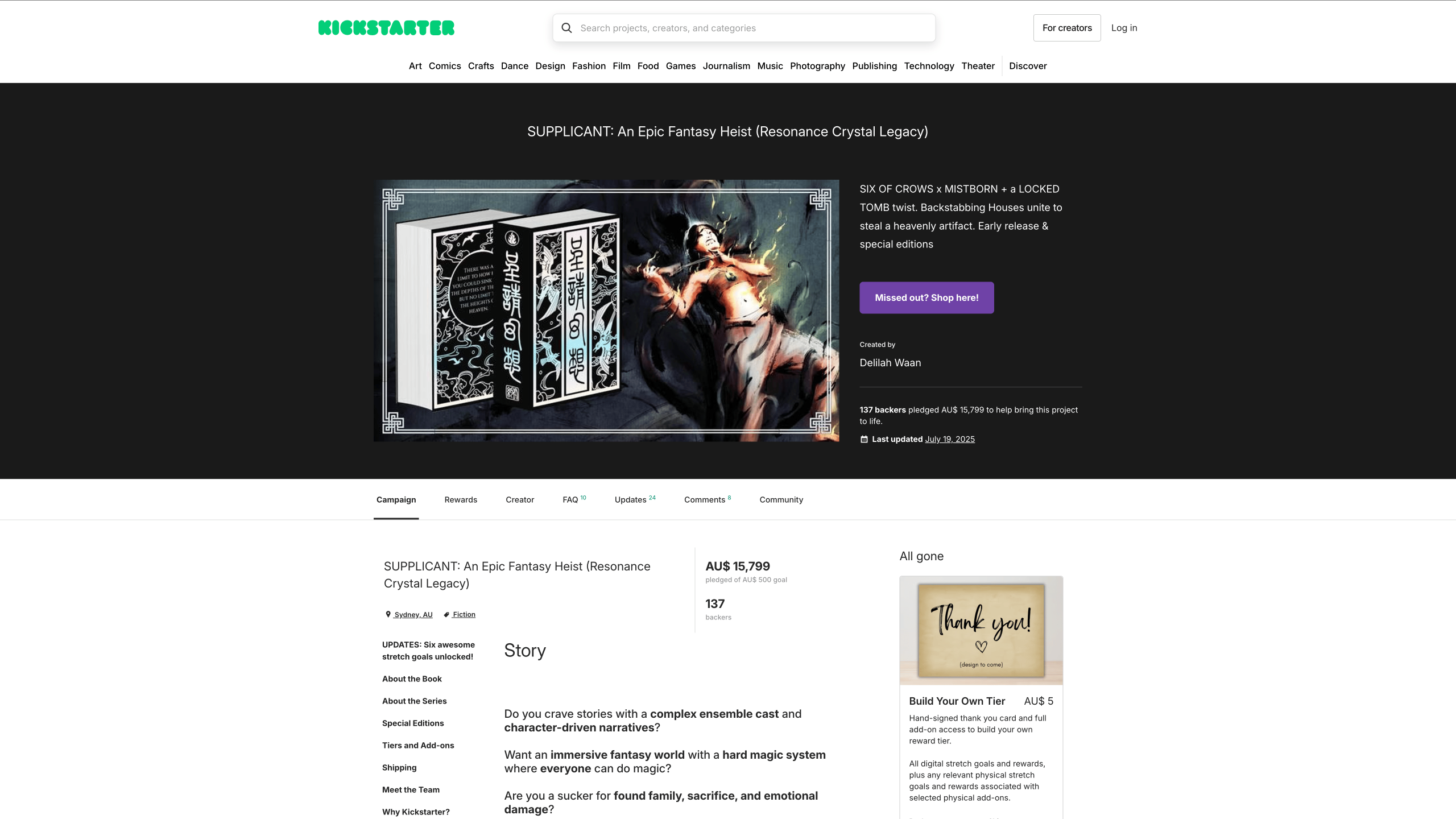
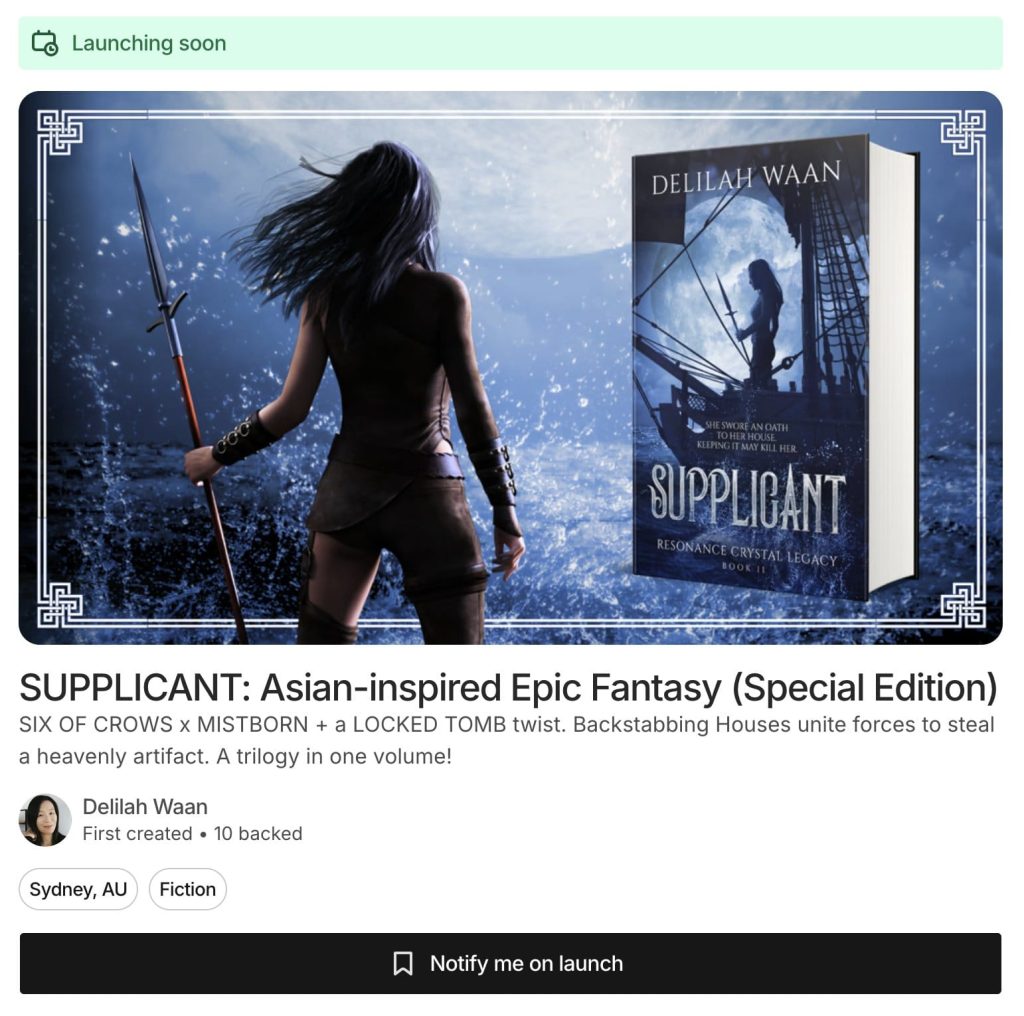
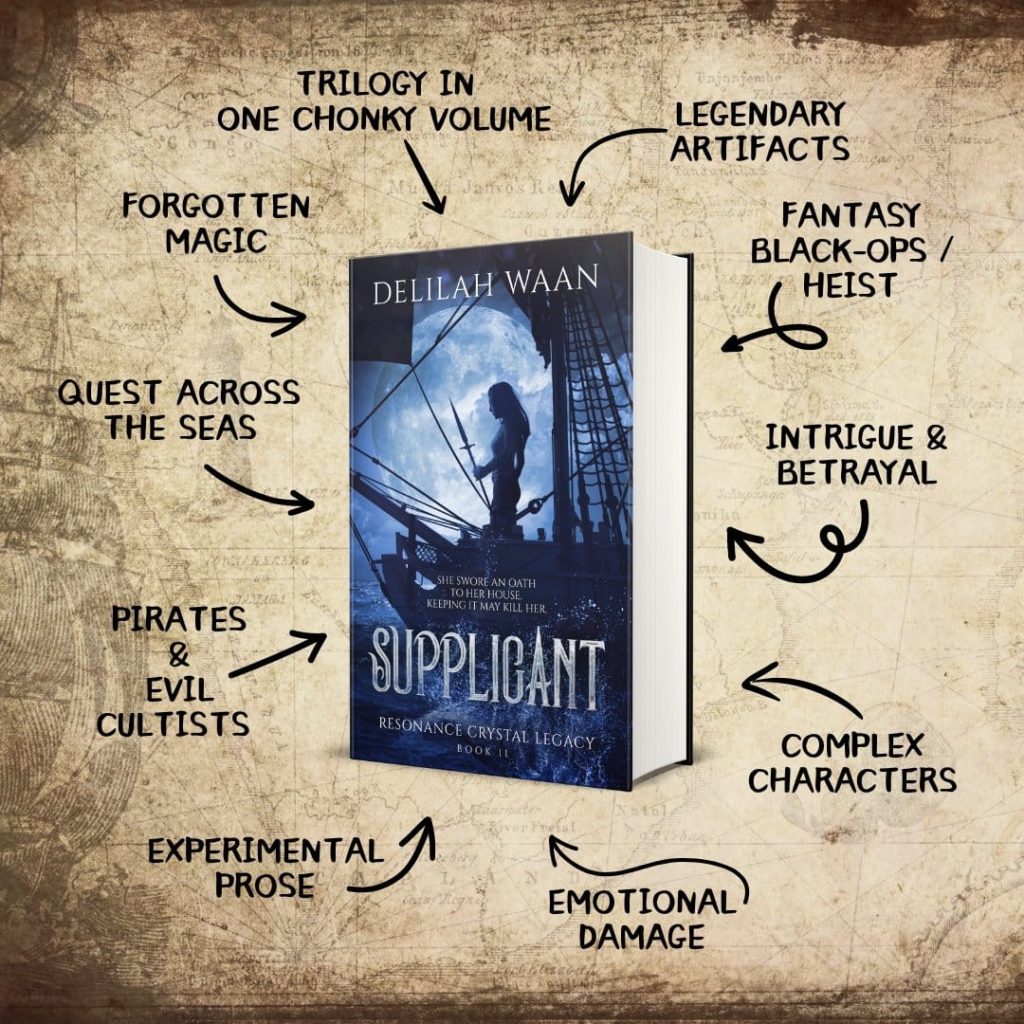
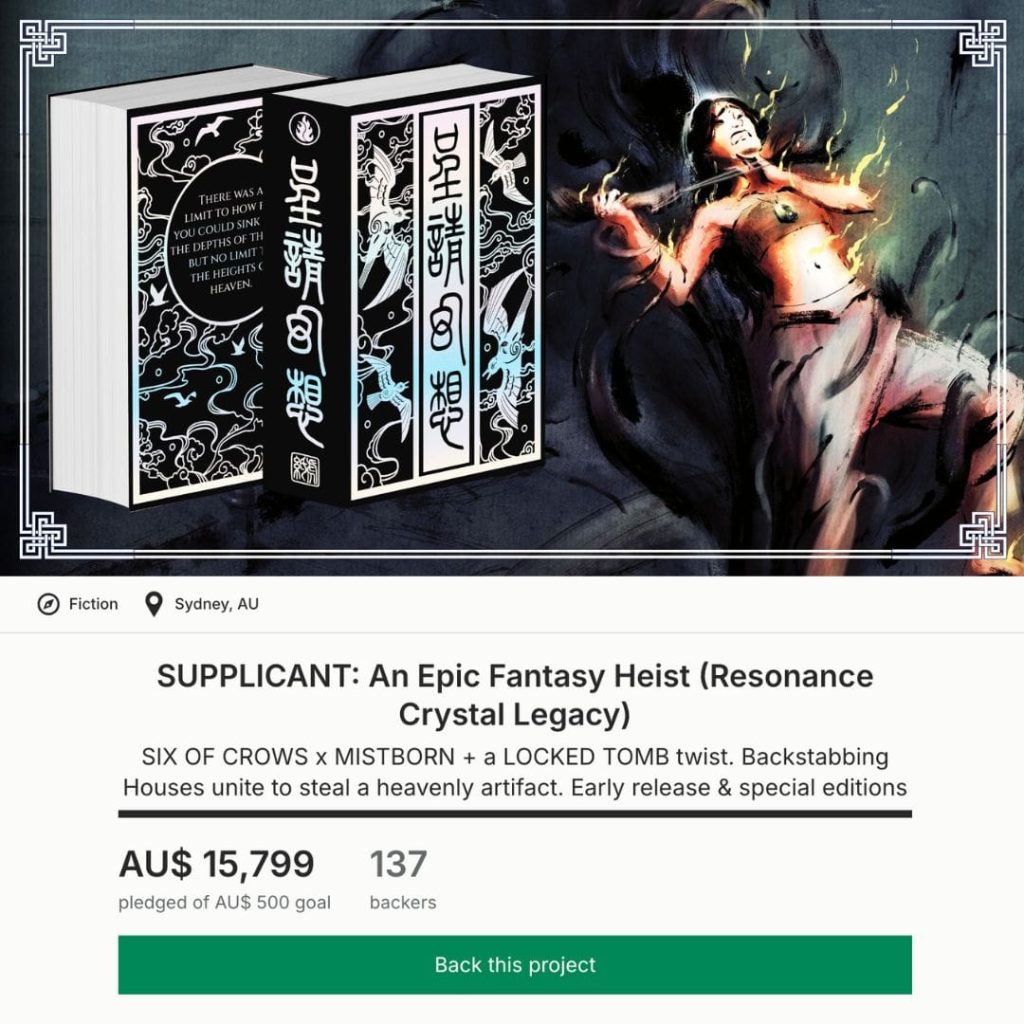
And if you think SIX OF CROWS x MISTBORN with a LOCKED TOMB twist sounds fun, follow my Kickstarter page here:
POSTSCRIPT (17 January 2026): Supplicant launched on Kickstarter in October 2024.
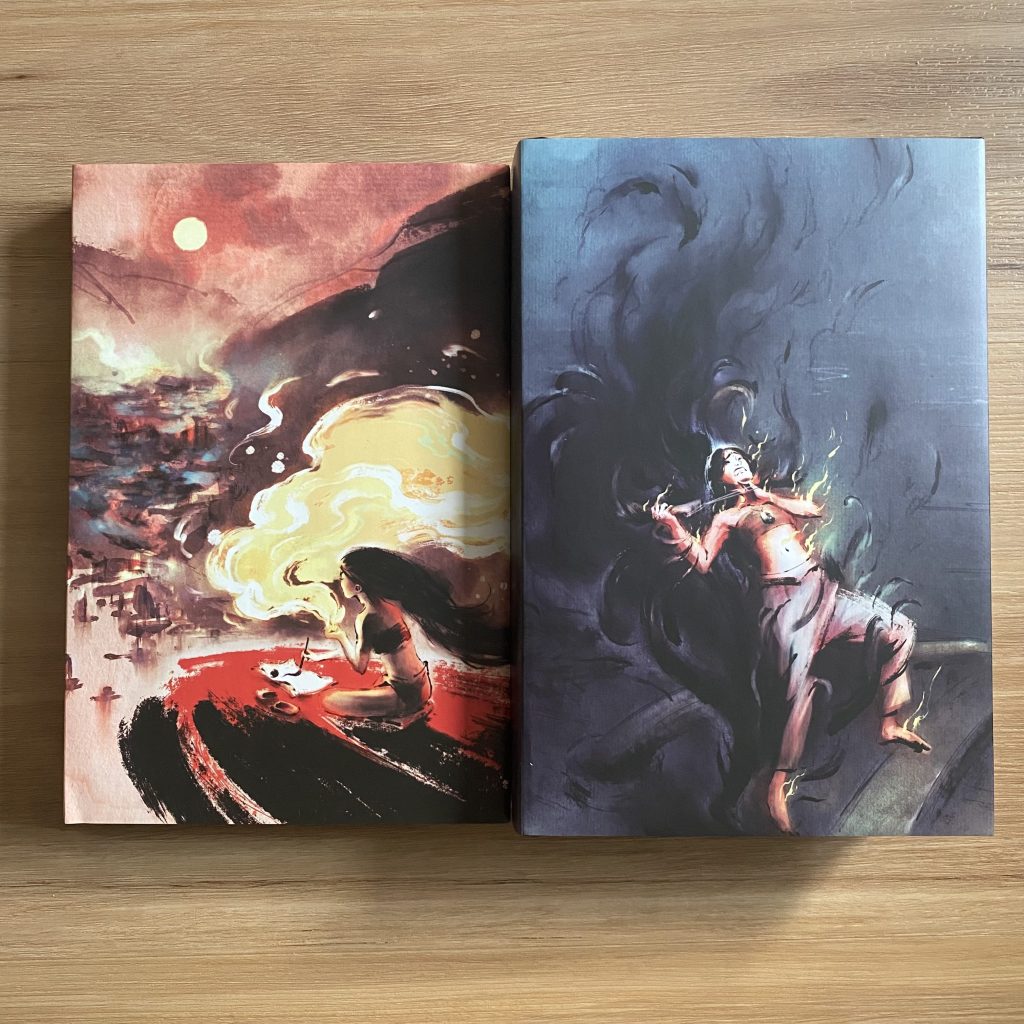
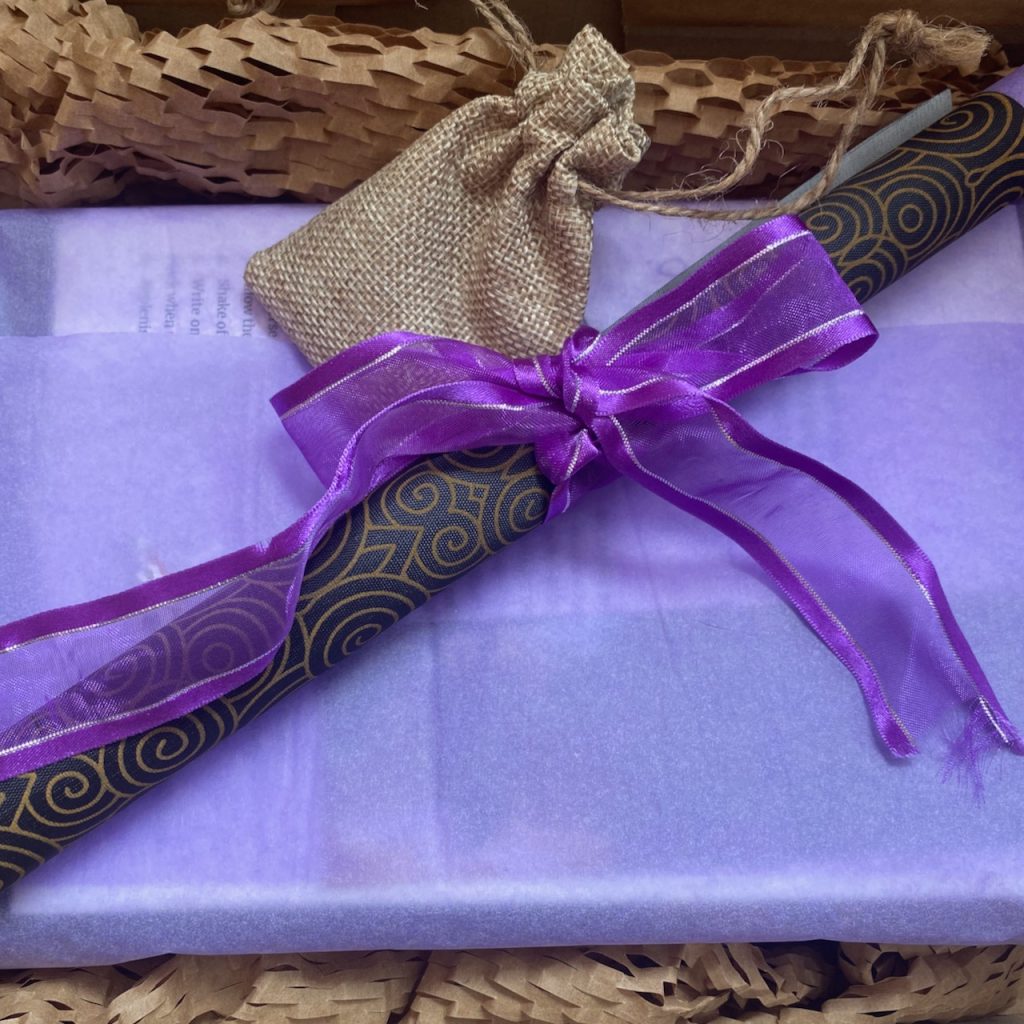
It funded in 9 minutes, ended up raising over $15,000 AUD, and paying for a print run of some truly glorious leather-bound collector’s special editions with all the bells and whistles:
First lines, first paragraphs, and first impressions
What I learned while reworking the first chapters of my debut fantasy novel
Written by
Delilah Waan
This article was originally posted as a thread on Twitter on 29 July 2023. As of 2025, I permanently moved over to Bluesky and effective from 17 January 2026, I have deleted all of my Twitter posts due to the changed terms of service.
Some of my most popular threads, such as this one, I have preserved on my website (with minor edits, for accessibility and ease of reading) for posterity.
In July 2023, fellow author and SPFBO9 entrant Steven William Hannah embarked on a first chapter reading challenge: to read the opening chapter (including the prologue where applicable) of all 300 entrants to the contest. His efforts spurred many members of the SPFBO community on Twitter to do the same, encouraging many readers to TBR books they never otherwise would have picked up based on the cover and blurb.
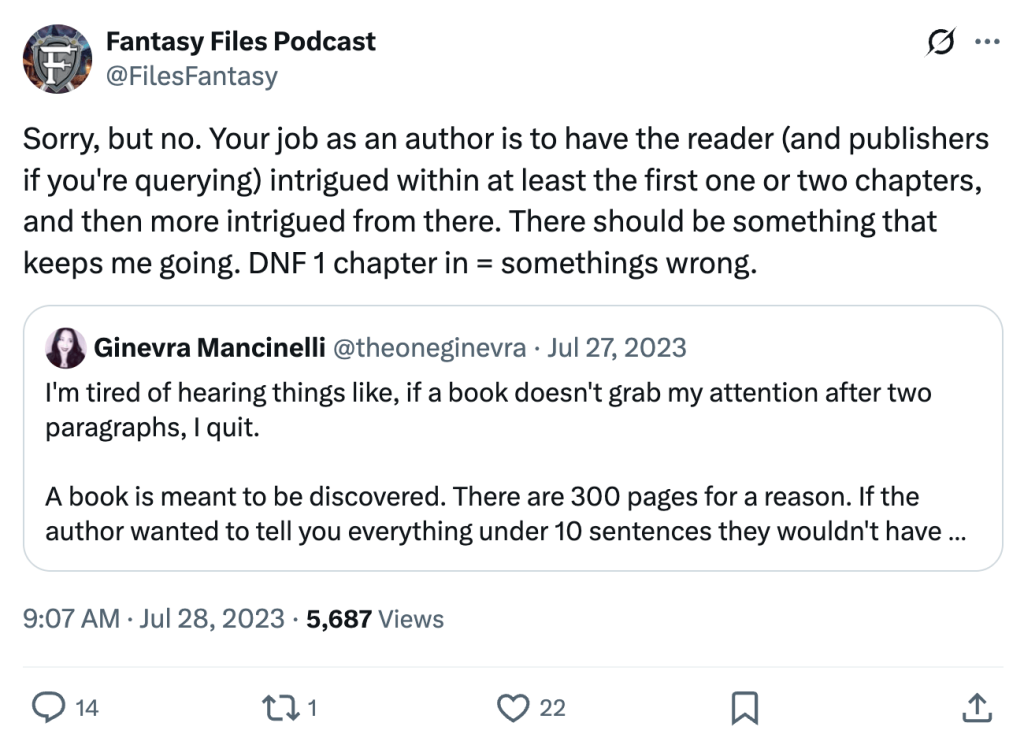
This happened to collide with some other ongoing discourse on #booktwt at the same time.
I had thoughts, which I had summed up at the time in the following reply:
Every sentence I write has one job & one job only: convincing the target reader for my book to read the next sentence.
If I succeed, they’ll read the whole book.
If they don’t, either I’ve made a misstep or they’re not my target reader.
(IMO, that’s the fairer way to put it.)
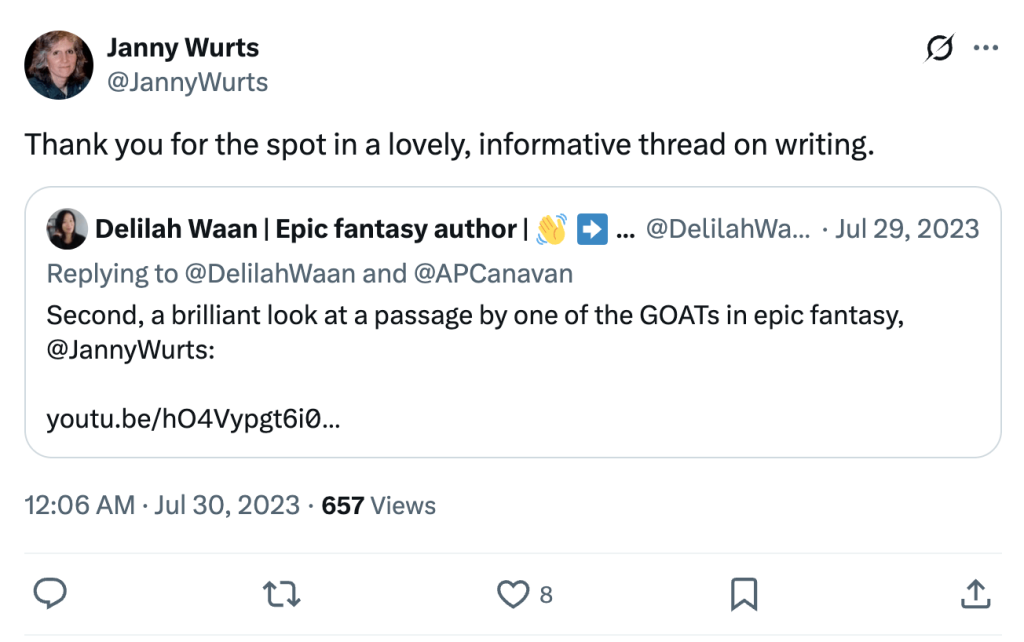
After sleeping on it for a day, it turned out that I had more to say. I have a soft spot for this thread because never had I ever imagined that one of my favorite authors, Janny Wurts, would see it, let alone quote tweet it:
I hope you’ll find it informative too. Enjoy!
—Delilah.
Following on from the current discourse re: first lines/paras/pages/chapters, I thought I would share a few things that I learned while working on mine.
Learning from songwriters and their lyrics
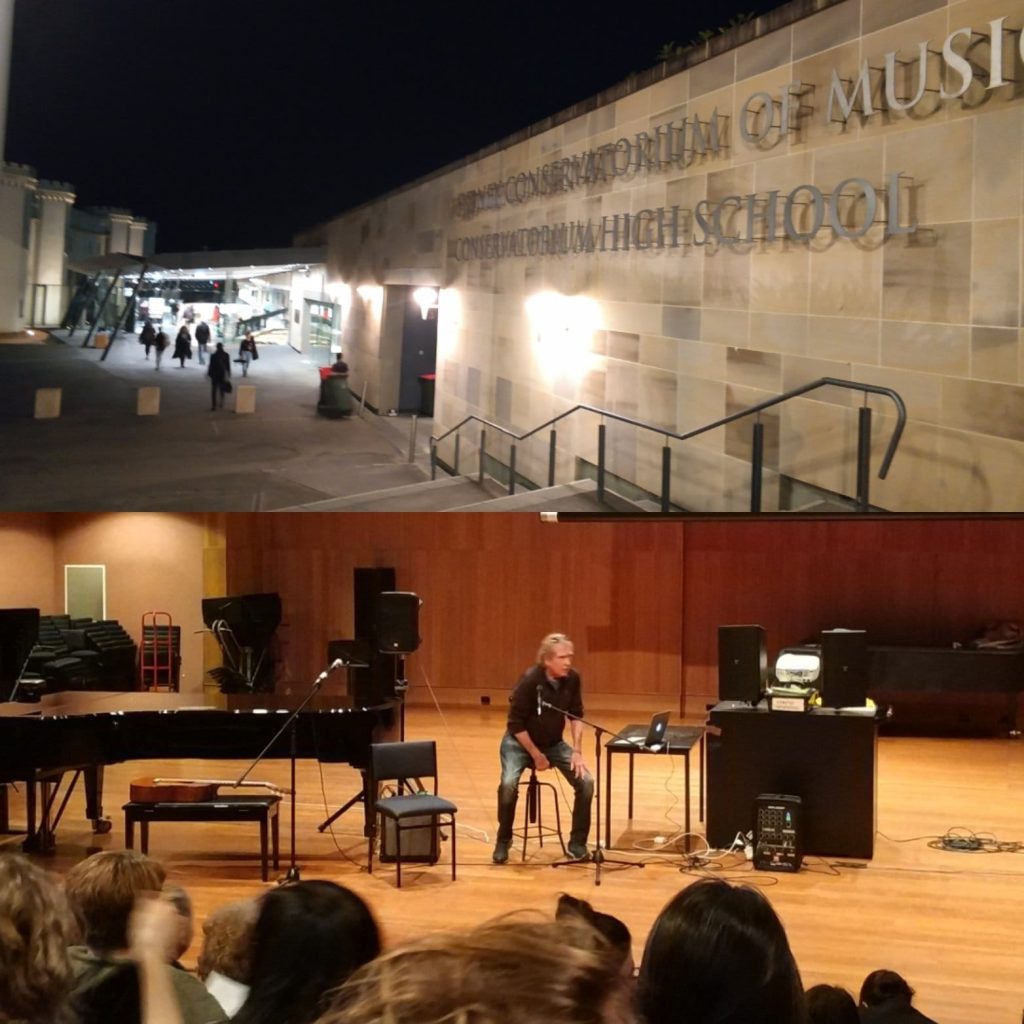
The best advice on first lines I ever got was in a songwriting workshop with Pat Pattison when he was visiting the Sydney Conservatorium of Music. Pat is a Berklee College professor, author of Writing Better Lyrics, and teacher to Grammy award winning songwriters like John Mayer.
In novels (especially fantasy), you have incredible luxury with word count.
Not so in songs.
Pat asked us how quickly we could establish character. A verse? A couplet? A line?
Beth Nielsen Chapman used TWO WORDS in “Child Again”:
Here’s the first verse from “Child Again”: a day in the life sketched in 40 words.
She's wheeled into the hallway Till the sun moves down the floor Little squares of daylight Like a hundred times before She's taken to the garden For the later afternoon Just before her dinner They return her to her room
And those first two words—“She’s wheeled”—do so much heavy lifting in painting a vivid image of who this character is and what they’re doing because of how specific it is.
What I love about the lyrics of “Child Again” is how evocative they are.
We don’t need to be told this is set in a care facility because we can infer that from “wheeled”, “hallway”, and the “sun mov[ing] down the floor” in “little squares of daylight”.
The purpose of the first line and the first chapter
Establishing character & setting as vividly & quickly as possible is my goal for the first line of every scene.
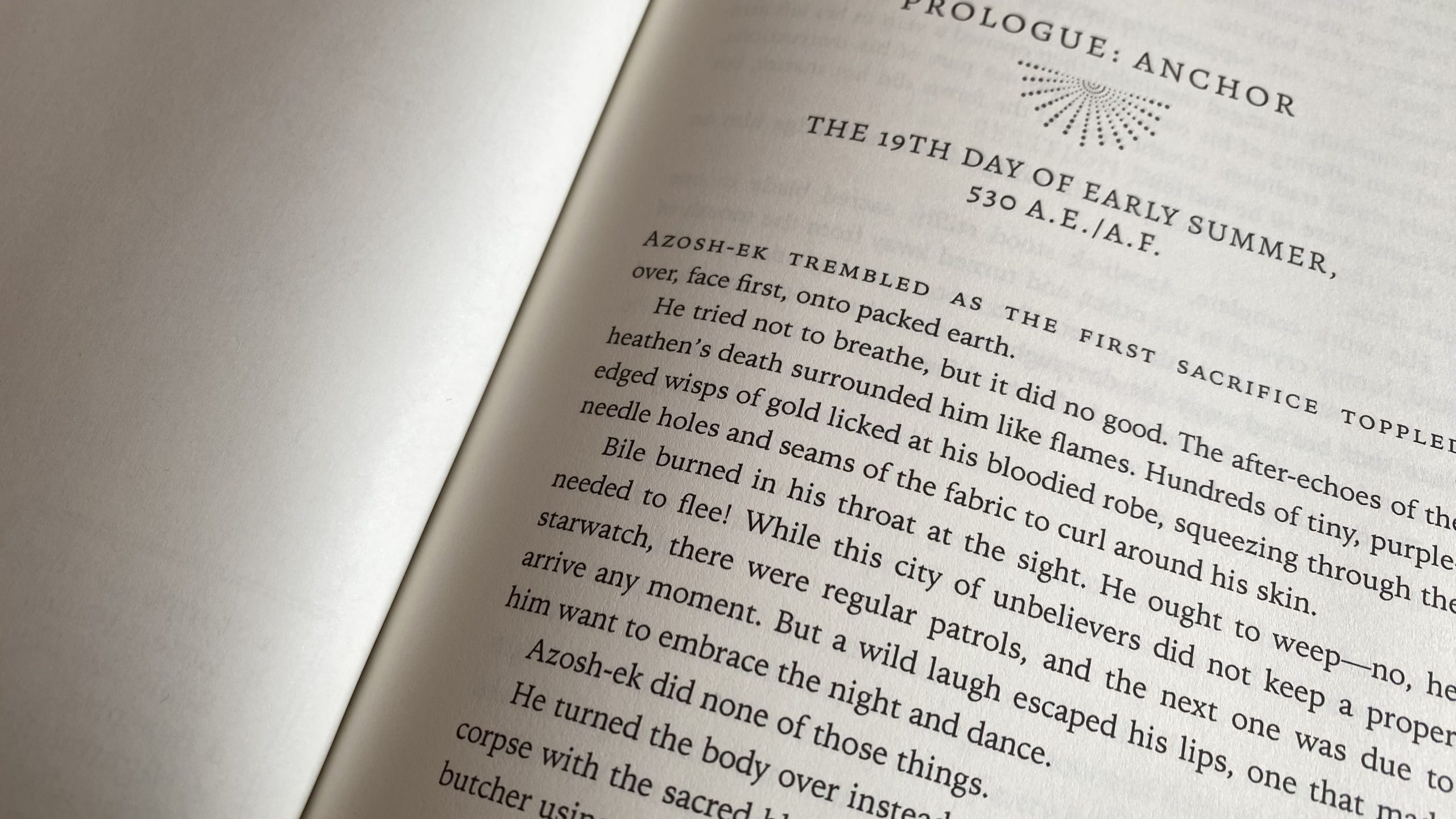
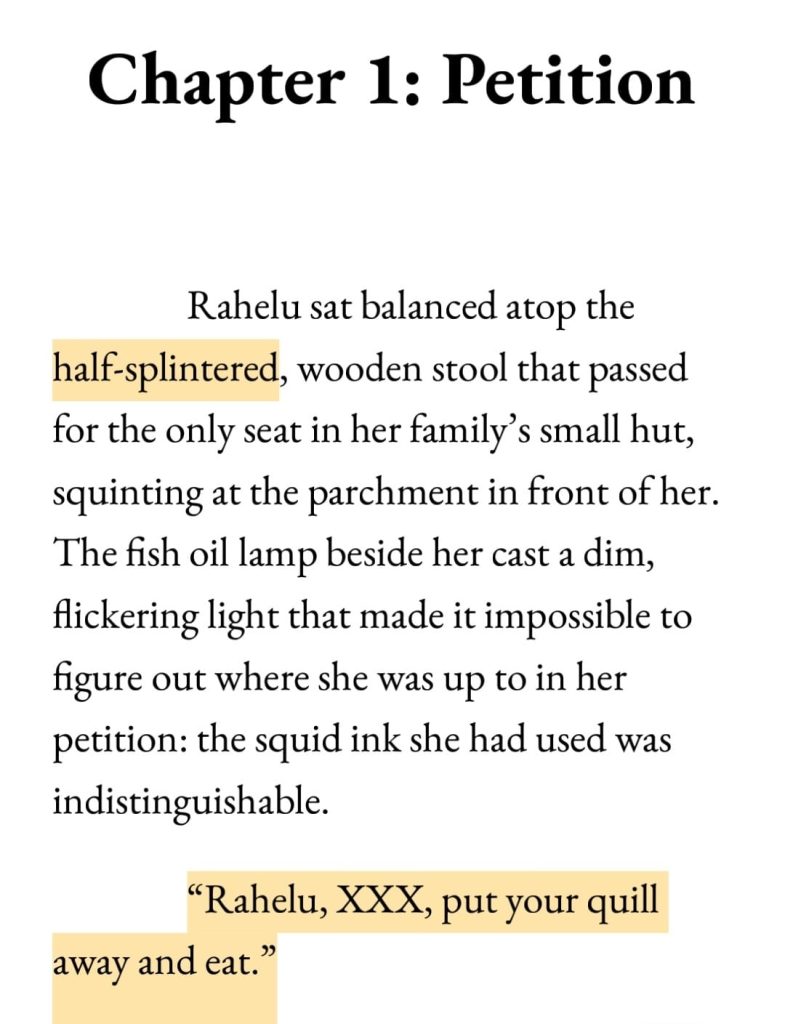
In the prologue to my #SPFBO9 entry, Petition, I went for the basic: POV proper noun, strong verb, & a setting/sensory detail.
But that was not the first line I actually wrote. I didn’t even have a prologue originally; I added one in AFTER alpha and beta reader feedback because I wasn’t hitting the right tone, story, character, and plot promises with Chapter 1.
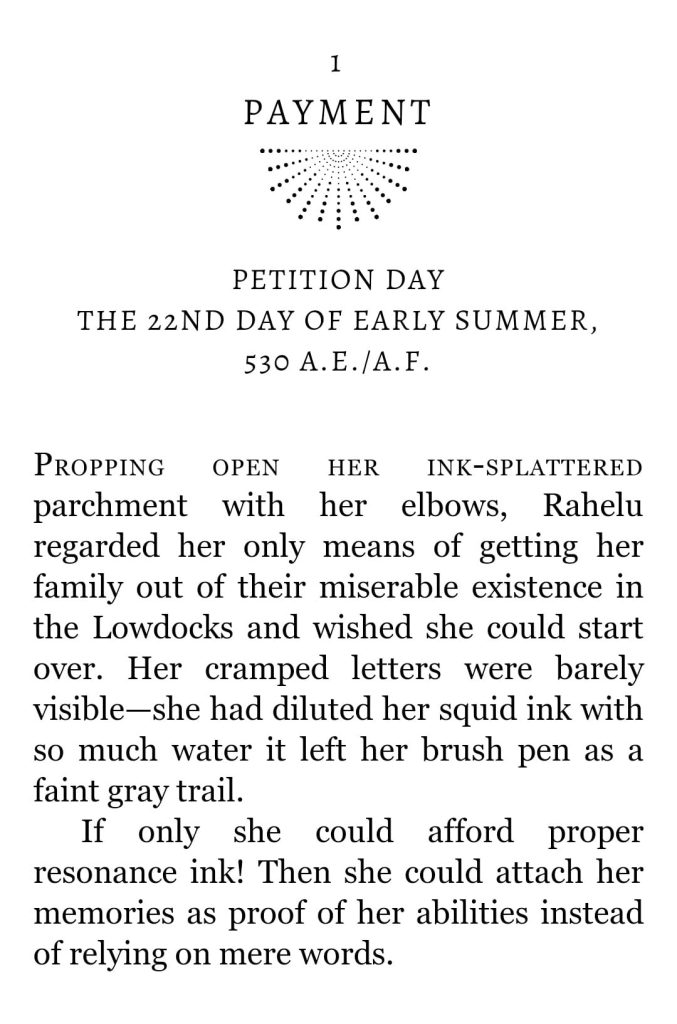
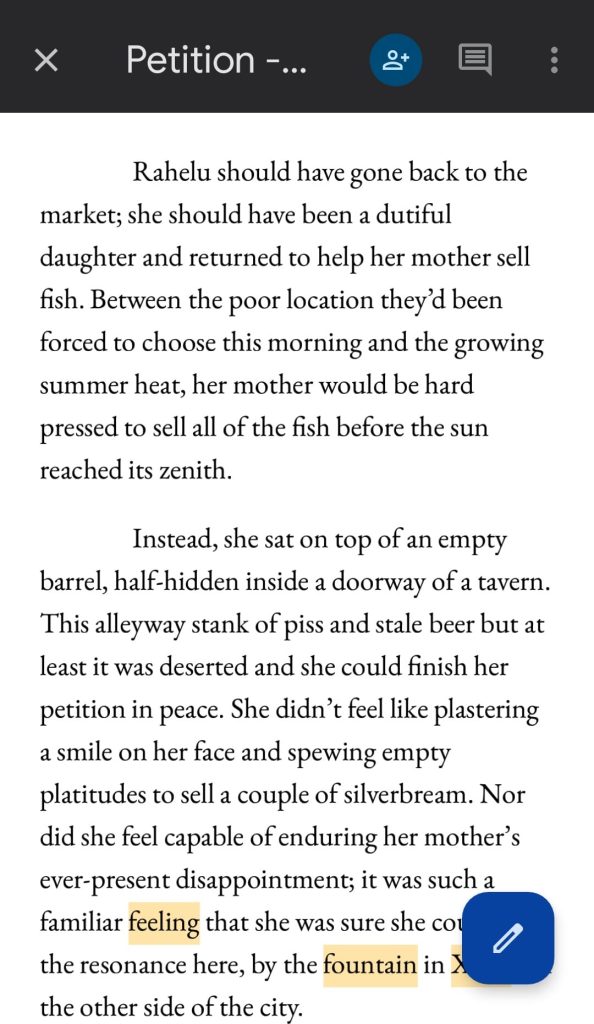
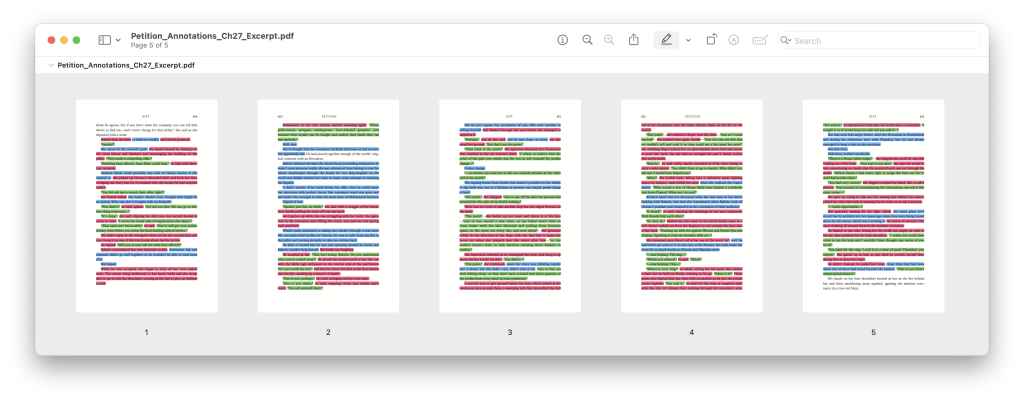
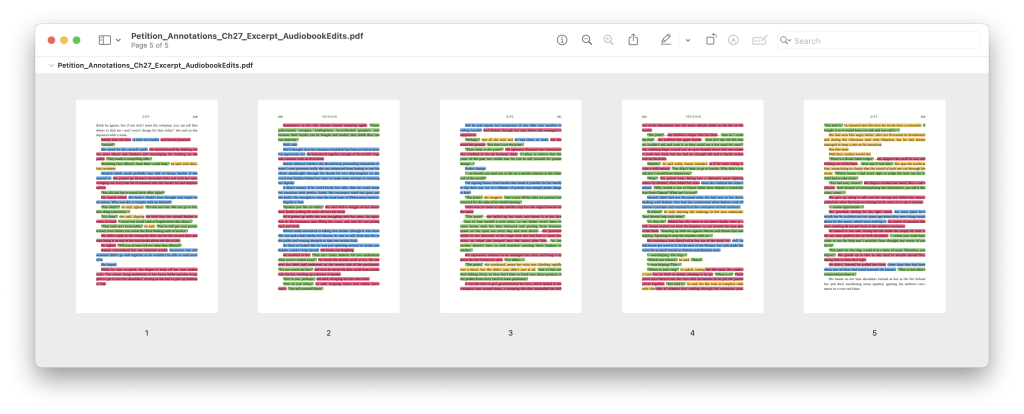
Petition originally opened right on Chapter 1. Here’s the side by side of the first two paragraphs: alpha draft versus the published version.
Same POV/scene/beat but the published version has more voice. I don’t love the slight clunkiness but never found a fix I liked. I did two rewrites for character and pacing, then trimmed 600 words in line edits & proofing. See the tracked changes of the full chapter from alpha draft to published version & why I made those changes here.
Here’s the side by side of the alpha draft versus the published opening to Chapter 2 of Petition.
Chapter 2 is the end of what I’d consider the opening of Petition.
By then, we’re ~8,000 words in and all the tone, story, character, and plot promises are established. If a reader isn’t hooked by then, they probably won’t be into the rest of the book.
Because I try to construct my openings as a reading experience of the book in miniature. The highs, the lows, the prose style, the themes—everything that might be divisive for readers, I try to fit in there, to signal audience so no one will feel clickbaited.
I don’t always succeed. There’s a subplot that doesn’t emerge until Chapter 9 that’s significant to the main character’s arc. The ending doesn’t land if you don’t buy it. But that’s where I run into problems with genre conventions/expectations.
Making promises and signaling genre expectations
One thing I learned is the term “romance”—as used by readers like me who read fantasy but not romance—has a very specific meaning in book marketing.
Short version: no HEA/HFN? Not romance! Don’t market as one.
So I don’t. I do everything I can to signal it is not a romance. No meet cute. None of the standard romance beats. No mention in the blurb or hint in the cover. But I do worry I will lose non-romance readers for not signaling the subplot upfront as a result.
Still, I hope by the time they’re ~38,500 words in, I’ll have established enough trust with them and delivered on a few payoffs that they’ll keep reading, for the characters and the rest of the plot even if they don’t enjoy that particular subplot.
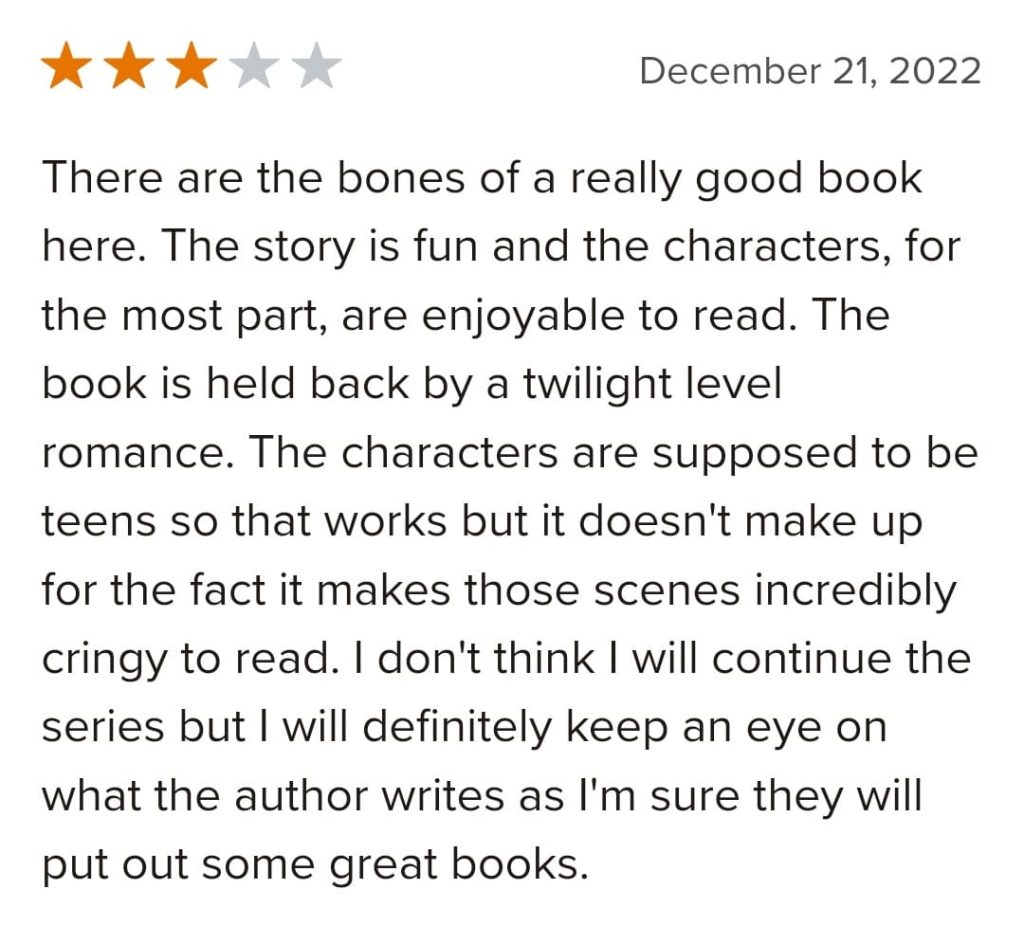
The ending clearly works for some readers. The whole subplot is clearly cringe for some.
But every review is helpful in figuring out whether or not the book I delivered was the one they expected and if I missed signaling a promise somewhere.
What a reader’s DNF means for authors
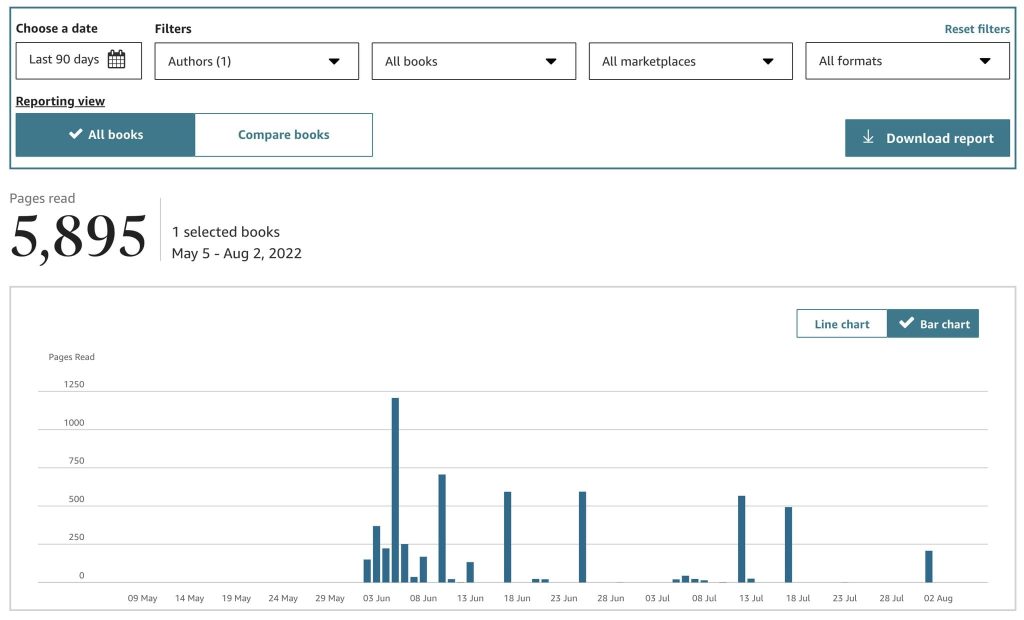
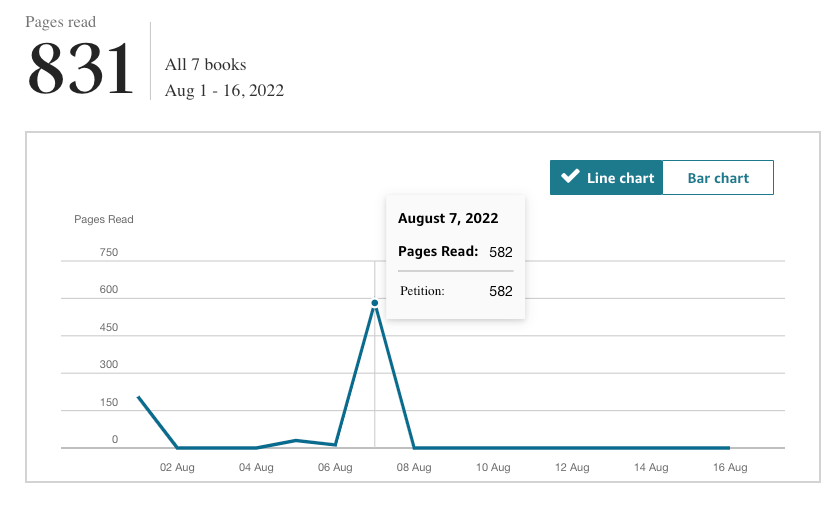
Re: DNFs, for those who are just getting started and in Kindle Unlimited (KU)/KDP Select, it’s interesting to look at page reads.
Amazon KDP doesn’t give us anything as good as YouTube retention graphs, but when you only have the odd reader or two, you can see things. 👀
Petition was in KU on launch for 90 days & had a KENPC of 594.
Full reads tended to be 592-593 pages depending on whether they read the back matter. And KU readers tended to binge the book in 1-2 sessions.
Good, because I tried to write a binge worthy book.
But that ending? Right around Kindle location 5528/5721 or 97% of the ebook or on page 409 of the paperback, there is a pivotal moment. A line that made my writing group scream things at me, like: “GODDAMNIT YOU MADE ME FEEL FEELINGS” and “I TRUSTED YOU” and
I don’t know what the corresponding KENPC is for that point in the book. KDP doesn’t tell me that information.
But when I look at this 582 pages read, I can only conclude somebody got to that exact moment and got so pissed they DNF’d 😂
A deep dive masterclass on writing good sentences
I think it shows that just because you’ve hooked a reader, you can’t assume they’ll keep sticking around. You’ve got to keep on winning them over, sentence after sentence, book after book.
The resource I’ve found most insightful in wrestling with the challenge of writing good sentences is Seth Dickinson’s article, Let’s Hurt Sentences:
I’m doing page proofs on THE TRAITOR BARU CORMORANT, my September debut. It’s a novel about sex, money, imperial power, colonial resistance, accounting, logistics, psychology, and the price of civilization. It’s a story about a young woman fighting to save her home and change the world. It’s made out of sentences.
I like quite a bit of it. Like any writer, I hate some of it. We can talk about the good stuff when the book comes out! Let’s talk about the sentences I’ve discovered I hate, the specific kind of sentence I loathe the most. Let’s figure out why they’re broken.
(Seth Dickinson is a brilliant author; check out his books & short stories if you haven’t already.)
Doing page proofs, I’ve been hitting a class of sentences that bother me a lot. They’re not clunkingly awful, but they leap out at me as missed opportunities. They’re uninhabited sentences: small, functional pieces of narration that don’t seem slanted by a certain character’s perspective. Every sentence should have a mission, and in the prose style I’m using here, every sentence should be a double agent, achieving a surface goal — say, moving a character through a door — and a deeper goal, hinting at emotion, motivation, past, future. Every sentence should have a voice, an owner. Ideally, the reader should know, at least subconsciously, who that owner is.
It’s an eye opening dissection of prose. Look at how Dickinson thinks about what to emphasize versus what to gloss over.
What is the purpose of each sentence? What reaction do you want the reader to have after reading the sentence?
But these sentences I keep meeting are the faceless stormtroopers of prose style. They just sit there connecting interesting things. That’s a waste! Every word should be interesting! Every stormtrooper should get a chance to bang her head on a door or curse creatively.
Let’s grab one. Baru Cormorant watches a woman come into her office.
“Aminata slipped past Muire Lo, who closed the great door with a firm click, and presented herself at attention with a frame of palimpsest tucked under her arm.”
Things Dickinson considers:
What does the sentence reveal about the POV character & the sentence’s subject?
How does it sound when read aloud?
What kind of rhythm & prosody is established with word/punctuation choice, construction, & line breaks?
How could we fix it? We could just radically simplify it. Aminata snapped to attention. We lose Muire Lo, the palimpsest, and a bit of spatial information. But maybe none of that’s important. Aminata can hit her next dialog beat and we can move on with the scene. This is a simple sentence that builds energy, because the reader doesn’t need to spend time figuring it out.
Look at how Dickinson changes EVERYTHING about the way the moment reads just by changing one line of the prose.
How could we play it? Exploring:
Aminata left her papers with Muire Lo and stepped up to salute.
Aminata left Muire Lo to fumble with her papers. Her straight-backed salute made Baru want to apologize for the state of everything, the accounts, the office, the way they’d left matters on Taranoke.
Aminata snapped to attention. Baru liked the salute so much she almost replied in kind. Muire Lo, still fumbling with Aminata’s papers, scurried out of the way.
Aminata smiled slantwise at Muire Lo, who blushed, and slipped past him to salute and set herself at attention. Baru cleared her throat and wished she could look so damn upright.
Aminata came down the length of the office, past Muire Lo and the plotting table and the wine, to snap a perfect salute. Baru remembered her coming down the back hall at school, coming across the dueling floor, and swallowed.
It’s absolutely fascinating how the subtext and emphasis shifts in these different iterations.
Seriously. Read the whole article. (And read Baru.)
Here’s the version Dickinson ended up publishing for that moment.
“Your Excellence.” Aminata came down to the office to salute and set herself at attention. Baru cleared her throat and wished she could look so damn upright. She must have stopped and dusted her uniform, or had a spare brought off the ship. She looked immaculate. The years had kept her taller than Baru, and her duties had kept her graceful and strong, as forthright and ready as a good javelin. There were many reasons Baru had avoided her on Lapetiare.
I personally like the second variant explored the most at the sentence level. But the final version fits the scene and the story best.
Finally AP Canavan has some great breakdowns on writing on YouTube. I’m going to highlight two videos but definitely check out the whole channel.
First, on the importance of authorial intention, audience, and economy in writing:
Second, a brilliant look at a passage by one of the GOATs in epic fantasy, Janny Wurts:
There’s so much going on in this passage. It’s wonderful. If you haven’t tried any Janny Wurts yet, you definitely should!
Conclusion
The output of good writing looks simple but the process of getting there is hard. Sometimes I feel like a character who just did magic. I have no idea how I did what I did or how to (or if I can) do it again.
But writing is a craft and you can get better at it.
The first lines of the beta draft of Supplicant, the sequel to Petition, are not where I’d like them to be.
But there’s still a long way to publication so 🤞 I’ll figure out something better by then. For now, you can check out Petition.
POSTSCRIPT (17 January 2026): Supplicant was published in December 2024. The opening of the prologue remained the same. The first chapter, however, underwent considerable changes, and the opening lines now read as follows:
Rahelu pelted through the Lowdocks.
Though the sun had yet to crest the horizon, the bare stones of the wet market were already slimed with fish guts and seafowl offal (and gods only knew what else) squishing between her toes. A flock of gulls shrilled at her as she tore through their feasting and startled them into flight.
She cursed.
Why were she and Lhorne both such short-sighted, silly, sentimental fools?
Delilah Waan had nothing to add to “magic school” so she wrote “fantasy job interviews” instead.
Petition is her award-winning debut fantasy novel about an angry Asian daughter of impoverished immigrants fighting privileged rich kids in a ruthless job hunt tournament.
I hear plenty of readers dunk on prologues all the time, and I’m well aware that a good number of readers will choose to skip them entirely, but epilogues don’t seem to get similar treatment. My personal theory is that’s because a reader who makes it to the end of your book should be invested to the point of wanting to know more, even if they’ve gotten the pay-off on the main story promises and the plot’s wrapped up—at least, that’s what compels me to keep reading.
It’s now been three-and-a-half-years since I published Petition, and even though I wrote the damned book, it’s tricky trying to remember exactly what was going through my head at the time of writing.
As readers, we generally perceive a book as a singular story because that’s how we encounter it, though I daresay maybe that’s changing a bit these days with serialization and more authors (commonly indie, but there are trad examples) choosing to issue revised editions.
As an author, however, ‘my book’ is a multitudinous entity: ‘book’ encompasses not just every draft I wrote, but also every sentence and paragraph that I wrote and then discarded; it is both the core conceit of the story I was trying to tell and every possible manifestation of that conceit I ever considered, written or unwritten; it is all of the physical and mental and emotional and spiritual states I experienced in the hours and days and weeks and months and years it took for me to claw that story out of my brain and put it onto the page.
(Sidebar: this is why gen AI hurts so much for authors and artists. What took us a lifetime—and it is a lifetime even if the ‘direct time spent’ working on a specific book or a piece of art might be measured in months or days, because when we create, we put our life experiences into what we create—has been stolen. Not only are gen AI companies actively profiting off of that stolen body of work without our consent and without compensating us, they openly admit that what they ‘do’ is impossible without what we do, yet they show neither respect nor remorse for their wrongdoings; in fact, they revel in them and relish how much it hurts us. I don’t hate the technology, but I do hate how it’s been developed and its misuses.)
I firmly believe that every book should tell a complete story so that’s how I wrote Petition: it is the complete story of Rahelu and how she successfully Petitioned the Houses. She had a goal, and she succeeds, albeit at a cost.
But also: I don’t like neat endings. They’re too tidy, too fairy-tale-like. Life is messy; so are my characters and my settings. I don’t wrap up every hint I drop or answer every question I raise because those things are not part of the specific story I was telling in Petition.
Rahelu is the main character of her story—but there are other stories, too; stories that she may (or may not) be part of. Rahelu and her story takes place in this setting with these other characters, but they do not exist for her sake. I mean, sure, they’re ultimately just figments of my imagination and thus hand of the author and all that, but, to me, it is very important that you, as a reader, feel this distinction when you read my work. Without that distinction, the book would feel hollow.
Anyway.
When I finished the alpha draft, there was no epilogue—the book just ended after Chapter 27. I had an XXX placeholder as the last sentence for a long time, because I kept feeling like there needed to be one more thing. In the end, I deleted that placeholder without ever writing another line to replace it.
Exit Rahelu. Lights down on the Sable Gull.
That’s it. That’s the story.
When I actually wrote the epilogue, it was several months later, after much plot hole wrangling. (Specifically: figuring out what the stupid magic rock does.) Consulting my notes, it was originally supposed to be a Lhorne POV, but it was structurally more elegant to stick with an Azosh-ek POV to close off the cultist arc for this book, so that’s what I wrote instead. (see note)
At the time, I was extremely unsure but ended up including the epilogue for two reasons:
In Chapter 22, Rahelu and Lhorne kill two cultists but a third technically remains at large. There was no room in Chapters 23–27 to deal with that; from Rahelu’s perspective, she thinks of that task as done and dusted as of the opening of Chapter 23.
Where Rahelu goes and what she does while she’s on mission as a Supplicant is the next part of her story. I deliberately left the nature of the mission itself vague, both for justified plot reasons (it is very ultra super duper top secret) and because I’m a discovery writer (I had worked out the broad strokes of what the mission was about, but zero details). But that lack of specificity does leave the reader on a very open-ended note, with no explicit “oh-my-god-what-is-going-to-happen-I-must-know” urge to read the next book in the series.
Another important distinction: while hooks and cliffhangers achieve the same purpose, they are not the same thing. Here’s how I define and delineate them.
Cliffhanger: book ends before a complete story has been told.
Hook: an intriguing hint at a new story, delivered after the conclusion of a complete story.
Both compel readers to pick up the next book, but one does so fairly (by extending an invitation) while the other does so punitively (by withholding something that was promised).
The epilogue both pays off and hints at the story to come (“what is with that stargem and those cultists?”) and it also raises the question of, “wait what how is Lhorne involved and what is he going to do?” in addition to “what’s that mission all about?” for the sequel.
If you wanted to, you could skip the epilogue to Petition. I’d prefer that you read it, but if you as a reader dislike all things that aren’t part of the main text (e.g. prologues, interludes, interstitals, epilogues, epigraphs, footnotes, appendices, etc) you would still get a full and complete story even only reading Chapters 1–27 of Petition.
Note: yes, I totally planned for there to be Lhorne POVs and separate storyline in the sequel to Petition and no, the writing of book 2 really didn’t go to plan, but I’ll elaborate on all that when I write the next set of annotations for Supplicant.
So I’m sorry (possibly in advance, depending on when you’re reading these annotations) about teasing the Lhorne POVs/storyline in this epilogue and not delivering on that in Supplicant BUT I WILL IN BOOK 3. I am literally taking a break from the alpha draft of Dedicate to write these annotations, and the draft is currently up to the point of bridging what Lhorne did after Rahelu left him at the Sable Gull and showing up to find Azosh-ek with the stargem. (return to text)
I’m not much of an audiobook listener. The only time audiobooks work for me is when I’m doing something that occupies my hands and immediate attention, but the work is not cognitively demanding enough to occupy most of my brain. Like cleaning. Or highway driving. Otherwise, my mind tends to wander off after a few sentences and I inevitably end up constantly rewinding.
In addition, audiobook production is expensive. The standard minimum SAG-AFTRA union rate to hire a professional narrator is $250 USD per finished hour of audio. More experienced narrators charge significantly more. Pace varies according to the individual narrator and manuscript, but as a general guide, 8,000–10,000 words translates to roughly 1 finished hour of audio. At approximately 115,000 words long, an audiobook of Petition would come in at anywhere between 11.5 and 14 hrs (the final run time is 13 hrs and 43 mins) or $2,875–$3,500 USD. Using today’s exchange rate of 1 AUD = 0.66 USD, that meant the starting price tag to produce an audiobook of Petition came in somewhere around $4,400–$5,300 AUD mark!
…yeah.
If it had not been for: a) the generous 2023 cash grant I received from the Indie Fantasy Fund; and b) a “Hail Mary” source of personal funding that came through last minute, I wouldn’t’ve been able to hire Emily Woo Zeller to narrate Petition.
Needless to say, when I was writing and revising this book, I didn’t really consider how the story would come across when narrated; I was focused on strengthening emotional arcs, eliminating repetitive beats and word choices, and concentrating on the rhythm, prosody, and flow of the prose. Improving those things typically also improves the experience for audiobook listeners—if a sentence reads well on the page, it generally also reads well spoken aloud—except for scenes where the medium of delivery significantly affects how much information can be conveyed in a single line.
Like scenes with high stakes, emotionally charged dialogue.
The core of this chapter is the clash between Rahelu and Lhorne regarding her choice of House, a conflict centered in their differing experiences and worldviews. It’s about 1,660 words long, beginning on page 349 in the retail hardcover and coming to a crux on page 353.
An interesting exercise I like to do when considering whether the balance of a scene is off: I go through the text and highlight with specific, assigned colors to differentiate the various components:
Dialogue (green): defined as all direct forms of communication between characters, which includes things like telepathy and written letters.
Action (red): defined as characters acting upon (or being acted upon by) their environment/others, including phenomena like magic and whatever else is directly observable by the viewpoint.
Introspection (blue): defined as any personal interjections, opinions and/or interpretations of dialogue or action from the viewpoint character.
Here’s what this scene looks like after doing the highlighting exercise:
Note the high proportion of red (action, ~745 words/45%) and blue (introspection, ~425 words/25%) there is relative to the green (dialogue, ~500 words/30%). In the audiobook, the scene runs from 13:05:50 to 13:17:17. Using the proportions from the highlighting exercise as an approximation, it means we’ve effectively got a 4-minute exchange stretched out over nearly 13 minutes. Mostly, that’s due to how prose functions as a medium; dialogue needs to be supplemented with action and introspection in order to convey the fullness of what’s going on in the scene. In film or theatre, however, this would be done through the set design and by the performance of the actor/s.
So what does that mean for audiobooks?
Well, some action and introspection is still necessary, because we don’t have a set and we can’t see the narrator’s facial expressions, body language, and physical actions. We do, however, get character voice, tone, inflection, and more, through the choices the narrator makes in how to deliver a particular line of dialogue (Note 1) which means there are bits of text that no longer serve a purpose, as the non-verbal aspects of the dialogue are all conveyed through the narrator’s performance.
Me, replying to Emily and her audio engineer right after I finished listening to the mastered audio files: Chapter 27, my god. I wish I had written less introspection so my words can stop interrupting Emily’s amazing delivery of the characters’ dialogue.
Here’s a visual with what I wish I would’ve done differently. Yellow highlights are lines that I’d rework or outright delete for narration:
Not a lot I would change—only about ~145 words (less than 9%) or so—but note the increasing amount of words highlighted in yellow as the tension climbs in the third (25/315), fourth (31/370), and final page (67/330) of the scene. I personally think it would have a huge impact on the perceived pacing and flow of the scene when you’re listening, and it’s something I’m definitely keeping in mind for future books.
As to what Rahelu does on the next page right after this scene…
My writing group was not pleased with me:
GODDAMNIT YOU MADE ME FEEL FEELINGS I SHIPPED SO HARD I HAVE Only one question
And if you felt particularly blue-balled, then maybe it’ll make you feel better to know that, ever since, half the time I post in our Discord about struggling with a scene, they now just spam writing advice like this:
Where they kiss, right????
Have them kiss and make up instead
now kiss
they kiss
If anything toss the scenes where they don’t kiss These heroes better be smooching Or I may have to write a strongly worded letter to the resonance guild
And memes like this:
More seriously, though, they really go all out to keep me sane. While I was struggling with alpha revisions and showing clear signs of spiralling, Dan Harris kindly took the time to give me some stellar constructive criticism:
Click here to read Dan’s suggestions
I hope you don’t mind but I’ve been thinking of the structural issues in your book and how to fix them. So I’ve written this. It’s an extra scene with Nheras (something you were thinking about) and also hopefully ties the murder plot into something more personal. Obviously it’s your book so please take it or leave it but I hope it’s helpful.
Rahelu emerged from her sleeping berth and into the bath house. The air was thick with steam, so thick she could barely see where she was going.
But she knew that she wasn’t alone in there. She could sense the pulsing, blue aura of masculinity coming from the bath. She was hoping to make it through unnoticed, but when she was almost at the door, Lhorne’s voice called out to her.
“Rahelu? Where are you going?”
She swore silently to herself and tightened her grip on her spear.
“You know where I’m going. There’s a murderer out there. Someone needs to catch them. We can’t all wallow in the bath all night.”
“Wait and I’ll come with you. You shouldn’t go out there alone.”
Silly, House-born Lhorne. He didn’t understand. She’d always been alone. Just her and her parents. And they probably wouldn’t be very good at fighting cultists.
She didn’t reply, but like an eel she slipped through the door and out into the night.
It was dark outside. Not just because it was night. But also because the stars were hidden by clouds. Also it was raining. Not heavy rain, but enough to coat the cobblestones in a thin sheen of water that made them reflect the torchlight in a really atmospheric way. If they even had torches in this universe? Yes, Rahelu decided. Yes, they did.
For about half a span, Rahelu had been wandering the streets like a hunting shark fish and she was beginning to think that it was a fruitless exercise. But then she saw something. Not with her normal vision, but with her magical aura vision. From one of the alleyways she saw the faint but unmistakable green shimmer of bitchiness.
She crept forward silently like a fish in the night, and peered into the gloom of the alleyway. But she already knew who she would find there.
“Nheras,” she growled.
The young woman was wearing a slinky and revealing dress, despite the rain. It probably cost more than all the dresses Rahelu had ever owned.
“What are you doing here, Nheras?” Rahelu asked, stepping into the alley.
Nheras looked around and sneered. “I don’t need to justify myself to you. What are you doing here, fishface?”
Rahelu screwed up her face like a trout. She didn’t like being compared to a fish. “You know what? I’ve had enough of you.”
Rahelu let her spear clatter to the floor and she launched herself forward, seizing the other woman who gave a brief cry of surprise.
Anger coursing through her veins, Rahelu tore the slinky and revealing dress from Nheras. A gasp escaped her lips.
Underneath the slinky and revealing dress, Nheras was wearing thick, black robes.
“You?” Rahelu gasped. “You’re one of the mysterious cultists?”
Nheras laughed. “Now you know too much. I’ve been waiting for an excuse to do this. I’m going to gut you like a fish!” She drew a wicked, curved blade from the folds of her robe and raised it up, ready to strike.
“Not so fast!” a voice boomed from the mouth of the alleyway.
Rahelu looked up. “Lhorne!”
Lhorne met her eyes. “You’re never alone, Rahelu. Not while I’m with you.”
With that he pulled back one of his big, masculine arms, and punched Nheras right in the face. She went limp as a boned fish and fell to the filthy alley floor with a squelch.
“Oh, Lhorne!” Rahelu smiled. But Lorne wasn’t smiling back. “What’s the matter?”
“It’s this damn rain,” Lhorne said. “It’s made my shirt all damp. Not really damp, but that uncomfortable kind of damp. I’m going to have to take it off.” And so saying, he pulled his expensive linen shirt off and tossed it uncaringly onto the ground. Rahelu looked at his masculine chest.
Lhorne put a finger under Rahelu’s chin and guided her eyes up to his. “Kiss me. Kiss me right now,” he said.
“What’s the rush? We have all the time in the world.”
“I don’t know,” Lhorne said, looking away. “Sometimes I feel like the sexual tension between us just ramps up and up but we never get the sweet release of a kiss.”
“Not this time,” Rahelu replied. “We can take our time and make this the most perfect kiss.”
But then she looked at the ground and cried out. “Nheras! She’s gone! She must have slithered away while I was looking at your chest.”
With that, she snatched up her spear and dashed from the alleyway in hot pursuit.
Lhorne watched her disappear into the night. “Oh, darn,” he sighed. “I appear to have switched POV.”
This change came completely out of the blue. There was no consultation, no detail, and very little thought given to stakeholder management and communications strategy.
Kobo have not, are not, and have committed to never training any large language models (LLMs) using the books published on its platform.
Most of the ways they are using/plan to make use of AI technologies (which is a broad umbrella term that encompasses the problematic stuff like generative AI) are sensible and ethical.
They ARE going to be testing a beta “recaps” feature on the Kobo App, which is reader-initiated and DOES utilize a LLM.
They are NOT answering any of my questions on where they got this LLM from and whether it has been trained on any of the stolen datasets, like LibGen which has my books in it. That’s corporate for “there is no good way to answer”, which probably means that LLM is ethically dubious. If it wasn’t, they would’ve answered in specifics, like they did with my other questions.
I don’t think a generative AI recaps feature is going to achieve what they think it’s going to achieve, and I think there’s a great deal of potential for it to do harm. But at least they’re not shoving it in our faces everywhere (*cough* Storygraph and Amazon customer review summaries, I’m looking at you *cough*) so if you don’t want any part of it, just don’t use it.
Per the Engadget article, Kobo says “it has not begun testing” this feature yet.
Given the backlash, I don’t know if they will continue with their original plans. Correspondence that I’ve had with Tara Cremlin, the Director of Kobo Writing Life, indicates that all of our feedback has been directly forwarded to the development team/s.
I can only hope that they’ll do the sensible thing and give our concerns serious consideration.
Overall, Kobo’s intentions are benign.
They are trying to do right by authors and readers. They have been actively listening and engaging with our concerns and I am reasonably confident that, so long as we don’t give up and we continue to engage with them, they’ll continue to listen and engage with us.
So I’m leaving my books up on Kobo and I will continue to encourage readers to move over to Kobo because as far as Amazon alternatives go, Kobo is—hands down—still the best.
Seven reasons why readers should switch from Amazon to Kobo
You can download the ebooks you buy.
You can also know ahead of time whether the ebooks you buy are DRM-free. (Scroll down to the bottom of the page, and look under the subheading “eBook Details”.)
Their Kobo Plus subscription program is more affordable for readers ($7.99 USD/month vs. Kindle Unlimited’s $11.99 USD/month) and has plans that include audiobooks.
Kobo Plus also doesn’t have the draconian exclusivity requirements that Kindle Unlimited imposes—which is way more reader- and author-friendly.
Kobo has a range of e-readers in addition to their Kobo App.
Kobo Plus pays authors by minutes read instead of pages read, which is less vulnerable to AI grifter bot farm exploitation.
Kobo’s royalties are better and fairer. They pay 70% royalties above a floor of $2.99 USD, with no ceiling and no download fees. Amazon, on the other hand, only pays 70% royalties if ebooks are priced between $2.99 USD and $9.99 USD, and deducts download fees for file size (in 2025, for crying out loud).
If you’ve never checked out Kobo before, this June 2025 feature shines a spotlight on some of the indie sci-fi/fantasy books on the platform.
Other alternatives to Amazon
For trad-pubbed books, it’s best to stick with Kobo, but if you enjoy reading indie, here are two newcomers to the party worth checking out.
Itch.io
Books are relatively new offerings on this platform, but they have a couple of very cool and unique features.
1. Bundles. I don’t just mean bundling ebooks in a series (Google Play offers those too), I mean authors getting together and bundling their ebooks in one big awesome deal for readers—like this Pride Book Fair Fantasy Bundle organized by Claudie Arsenault for Pride Month.
2. Pay what you want pricing. This is pretty cool! It’s a nice way for authors to offer their writing to readers that allows readers to pay what they can afford/think it’s worth.
My books aren’t there right now, but I hope to have them up later this year, once I clear a few things off my plate.
Campfire
Campfire’s like…if you took Scrivener and World Anvil and mashed them together with parts of Royal Road, but wrapped it in a pretty slick UI that improves on the Amazon browsing and reading experience, and then—on top of that—decided to pay authors 80% royalties.
That’s 10% more than all the major retailers.
No ads. (Because Campfire’s main source of revenue comes from its writing software.)
No venture capitalist backing. (Because they don’t need it.)
No gen AI shit. (Because there’s no investor pressure to jump on the latest hype train.)
You can now get my books on Campfire because Jason, the CEO, reached out via the contact form on my website, replied to the barrage of questions I emailed back, and got me set up.
Guys, I am real excited about this.
One super unique thing Campfire allows authors to do is to publish “extras” that unlock at certain points in the book.
For example, I’ve been writing and publishing chapter-by-chapter annotations on my website. It’s stuff that’s not necessary to understanding the story, but it’s part reflection for me as I work on the next book, part me paying it forward to other writers, and part stuff that I think a subset of my readers might find interesting. Right now, the reading experience for my annotations is pretty clunky. Anyone who wants to read them has to: a) know that the annotations exist, and b) remember to navigate to my website after reading the relevant chapter/s.
Once I finish posting the last annotation for Petition to my website, I’ll also be publishing them on Campfire as extras. Those annotations will be free and non-exclusive to Campfire, and will always remain on my website, so you can read them no matter where you got my book and without signing up for another platform. It will be more seamless on Campfire because you’ll be able to unlock and read them (or not, if you’d rather not) as you experience the book.
By the way, Jason’s not paying me to say any of this.
He simply took the initiative to reach out, respectfully addressed my questions and concerns when I wrote back, and generally treated me like a human and a valued business partner, instead of a resource.
Amazon and other platforms, take note.
You CAN make a difference with your reading choices
At the risk of sounding like I’m giving you the hard sell, if you’re a Kindle reader and you’re a fan of Amazon’s Kindle Unlimited (KU) program, I beg you to please please please please please give Kobo Plus a shot.
A lot of books are exclusive to KU, I know, but that’s because authors feel incredible pressure to put our books in KU because many believe there aren’t enough readers anywhere else, and since Amazon mandates exclusivity, readers who go elsewhere have less choice, so then most readers end up going for KU because most of the authors and books are in KU, etc etc etc ad infinitum.
If we ever wanna break this cycle, we gotta start somewhere.
It might not feel like you’re doing much, but I promise you: as an author, I cheer and do a little victory dance every time a reader decides to get my book/s from somewhere other than Amazon.
Because that’s change in action.
Delilah Waan is terribly vocal about the need for Amazon alternatives.
You can also request them through your local library! Paperback and hardcover copies are available via Ingram, and digital formats are available through e-lending services such as OverDrive and Hoopla.
When a book ends up not being well-received, I often run across sentiments like, “where was the editor?” and, “what were the beta readers doing?” in reader reviews. (Truth be told, I’ve been guilty of expressing similar myself.)
Thing is, while editors and beta readers do invaluable work, it’s the author’s name that goes on the book. It’s their story, which means they are the one who ultimately decides what that story is.
Not the editors. Not the beta readers. The author.
“What is the story?” is the most important—and most difficult—question you have to answer as an author. Sometimes, even when you’ve figured it out, you still can’t articulate the answer.
A good editor recognizes what the story is without needing to be told, even when the story is still in its primordial form. (Great editors often recognize it before the author has figured out what they’re trying to do.)
But when you can’t afford to hire a good editor…
If you’re one of those rare geniuses (which I’m not), you’ll come up with the answer yourself.
For the rest of us, we rely on beta readers. Their role is to give honest reactions on the manuscript. I have wonderful beta readers and 9 times out of 10, when they tell me something is off, something is off.
But every now and then, I’ll get a piece of feedback from someone whose opinion I value very much, and my reaction to it will be, “Nooooooope!”
This chapter of Petition is case in point. The feedback I got was, “This whole chapter seems unnecessary.”
Cue instant despair, then acknowledgement of why:
it’s slow;
it’s got that same “waiting” quality to it as Chapter 23;
it’s weird to get so many details of the Lowdocks—a location that’s so important that it’s basically the source of the protagonist’s motivations and thus drives the plot—this late in the book;
arguably all those details are unnecessary because you already have a vivid image of what the Lowdocks are like;
the conflict with the Breakers is introduced and then immediately resolved (and the resolution is basically implied and happens off-page as we cut to the next scene);
and the conflict is used as a vehicle for revealing the only plot-important detail (which House Rahelu picked).
That feedback is correct on all counts.
Yet I didn’t toss this chapter into the prose graveyard. In fact, I kept it pretty much as I had originally drafted it, albeit with one small expansion in Lhorne and Rahelu’s conversation in the first scene for Dharyas.
Why? Why leave a chapter that trusted beta readers—more than one—told me that they thought was completely unnecessary?
I suppose if I were going to analyze this book with respect to various plot frameworks (*Note 1), I might point to this being the “Return” in the Hero’s Journey, since Rahelu is, quite literally, returning to the Lowdocks, her quest to become a Supplicant to the Houses complete, and wealth to share with her family.
Or, if we’re going by the Save the Cat beat sheet, I might say that this is the final image—except under that structure, the final image really is supposed to be the very final image before curtains down and blackout, and we’ve still got a whole ’nother chapter and an epilogue to go.
Honestly, I think most of those storytelling frameworks start to fall down once you remember somebody came up with them after the fact, i.e. they analyzed a bunch of stories that they thought were good and noticed patterns across them, then sold them as formulae on how to write good. Maybe some authors on the extreme end of the discovery-writing/outliner spectrum can, hand-to-heart, say that they plot their books according to these frameworks and never deviate, but for me, it never works out that neatly. (back to text)
One thing I’ve come to slowly realize during the course of writing these annotations is how often I prefer to dramatize moments that could’ve been summarized instead.
Take the moment Rahelu turns and sees Nheras arriving. This could’ve been covered in a brief sentence:
Rahelu turned to see Nheras of Ilyn gliding up the gentle slope, her willowy form bedecked in a dazzling array of gold and silk.
Those 24 words do the job of conveying the physical action, with a little description thrown in to make sure we’re not in white room territory.
I don’t like it though. There’s no sense of conflict because there’s an absence of Rahelu’s interiority—the prose is trying too hard to conjure a “mental movie” by focusing on what Rahelu sees, instead of leaning into the advantage of prose as a medium, which allows us to really get inside Rahelu’s head and feel what she feels.
By this point of the story, we have a very clear idea of who Rahelu is and what her priorities are. We’ve also seen what she’s up against in the society she lives in, and there’s just the one antagonist left to face. Since I’m not in the habit of writing ineffective antagonists, I knew Nheras would “win” whatever confrontation was about to occur at the Ideth party. We’ve left the familiar environs of the Lowdocks and the Guild and entered the world of House-born society; Rahelu has no chance of beating Nheras at her own game.
At the same time, this is the end of Book 1, not the start of Book 2. Rahelu now is not the same person she was at the beginning of the book.
(Sidebar: it’s been interesting seeing reader reactions on whether they consider Rahelu to have had a character arc in this book. Outwardly, it may seem as though she hasn’t changed—though Rahelu has improved her station, she’s still impulsive and prone to anger—but while she hasn’t grown any wiser, she has developed a sense of self-worth.)
How to convey that?
Well, for starters, even though she’s making the same decision—to stand up to Nheras—she’s going about it differently. Neither character will throw a single punch but this long verbal confrontation is structured like a fight scene; when the dialogue starts, I want the exchange to be focused on the blows being dealt and which ones are landing.
So here’s what I did (the part I’ve snipped out is a long description of Nheras and how she is dressed):
Footsteps crunched on the fine gravel behind her, each one accompanied by a lighter, metallic jingle. Rahelu wheeled around in a defensive stance, every muscle tensed, to face Nheras of Ilyn as she made her way up the winding path.
[…]
Rahelu did not budge; she held her stance, turning warily to keep Nheras in view as the Ilyn girl climbed the last few strides to the top.
It was probably unnecessary. Nheras wouldn’t attack her, here in the heart of the Ideth estate. And even if she did, one good shove from Rahelu was all it would take to unbalance the Ilyn girl and send her toppling down the hill in a flurry of gold robes and jeweled bangles. Nheras had taken such great pains with her appearance—it had to have taken spans and spans—that she would probably want to die on the spot if so much as a single hair were out of place.
If Rahelu felt out of place and inadequate, showing up in her utterly ordinary attire, she could only imagine the humiliation and rage Nheras would feel if she had to choose between showing up in torn, dirtied robes with her hair and makeup in disarray; or missing a large portion of the festivities in order to go home, fix her appearance and return.
Come to think of it, Rahelu knew exactly how that would feel. She looked at the other girl, mincing her way up the gravel path with severely shortened strides thanks to those ridiculous sandals, and thought about yanking Nheras off balance by grabbing her by that delicate sheer outer robe and tearing it to pieces, wondering if cloth-of-gold would tear as easily as parchment.
The thought was tempting. Very tempting. Tempting enough that Rahelu straightened out of her defensive stance and shifted half her weight forward.
But Nheras had reached the top now, and Rahelu no longer had the luxury of being at eye-level with the other girl—she was forced to look up.
Even taking just the first line on its own, this is better writing. Instead of passive reportage, we get active reaction. Rahelu’s not just standing there, watching; she’s responding to Nheras’s arrival by falling into a defensive combat stance. Not only do we have a sense of impending conflict, we also get a much clearer sense of the dynamic between these two characters.
But why keep going with all the other words?
To show an emotional arc. Rahelu sees her rival, she has an emotional reaction, she considers a course of action thanks to that emotion, begins to act on it…but then is prevented from doing so by an action from Nheras.
The verbal sparring hasn’t started yet, but the conflict has already begun.
That’s all well and good, but I’ve taken 300-something words to basically say “Nheras arrived”. The way the arc is structured is…fine, but the prose doesn’t go deep enough. There’s still a sense of distance present.
Here’s the same moment in the published version:
Footsteps crunched on the fine gravel behind her, each one accompanied by a lighter, metallic jingle.
Rahelu wheeled around, every muscle tensed, to face Nheras of Ilyn.
[…]
Rahelu held her defensive stance, turning warily to keep Nheras in view as the Ilyn girl climbed the last few strides to the top.
It was unnecessary. Nheras wouldn’t attack her here, in the heart of the Ideth estate. And even if she did, one good shove was all it would take to topple her over in a flurry of gold robes and jeweled bangles.
Rahelu looked at the other girl, mincing her way up the gravel path with severely shortened strides thanks to those comically high-heeled sandals.
Wondered if that delicate, sheer, cloth-of-gold outer robe would tear as easily as parchment.
Imagined the humiliation Nheras would feel if her arrival was announced by a shrieking, maladroit tumble down the hill; the rage when her long-planned grand entrance was spoiled by the ruinous disarray of robes and hair and makeup.
An intoxicating blend of emotions that was all the more tempting for its familiarity. Sweet and thick and strange, when you weren’t the one caught in its maelstrom.
Rahelu shifted half her weight forward.
But Nheras had reached the top now…and Rahelu was forced to look up.
Anything that could be deleted without lessening the emotional arc, I deleted. Anything that could be said in fewer words and retain/intensify the emotional impact, I changed.
When I finished line edits on this section, I distinctly remember sitting back, mind-blown by how something significantly shorter can read so much better.
It was also the first time I could articulate why.
Me, sharing my little epiphany in my writing group’s Discord.
Probably the most interesting and fun part of these later annotations is I get to reflect on decisions I made as a less experienced writer, since I’m doing them so long after the fact. Petition is a much better written book than my first “fix fic” novel is, and Supplicant, I hope, is just as much of an improvement upon Petition.
Looking back on this passage after having published the sequel, I think there’s still more distance than I would prefer, due to the self-consciousness in Rahelu’s narration that comes from the overt manner in how her thoughts are spelled out and structured. It still works, but that was the limit of where I was as a writer back then.
If I were to write this today, I think I would write it differently—be less clean and structured, elide more, change up sentence length and pacing, drop the distance, go further into free indirect speech, add more voice, etc. The last para in the introspection arc, right before Rahelu shifts her weight, is probably closest to the style and approach I would take now.
I wonder how much that will change, if I were to revisit this after publishing Book 3?
Some authors are fantastic with endings. Brandon Sanderson is probably one of the most famous examples. Not only is he notorious for the “Sanderlanche” (the part of the book where the pay-offs for all the plot lines invariably collide into one giant climax), because he is such a heavy outliner for his plots, he’s known for speeding up in how fast he writes as he gets closer to the end of the book.
Historically, when Brandon Sanderson is within spitting distance of writing “The End”, he will do a writing marathon and provide live word count updates on his social media. Generally, with every update he posts, his WPH (words per hour) gets higher and higher.
At the time I was writing Petition, Sanderson was writing Defiant, the fourth and final book in his Skyward series. I remember thinking that since so much of Sanderson’s writing techniques work for me, maybe I, too, would speed up when it came to writing the end of the book.
Some stats on how fast I usually draft:
When I know what I’m doing, I can draft at something like, 900–1,100 WPH.
When I’m struggling, my WPH tanks to sub-200.
When I hate everything I’ve written, it goes negative because I keep chucking sentences, paragraphs, and whole scenes into the prose graveyard.
Having written 3 novel-length works at this point, I can say this with confidence: endings are difficult for me. Every single ending was like pulling teeth, to make sure all of the main plot threads resolved satisfactorily while balancing the pacing.
For Petition, writing the ending was difficult because I had already written the emotional climax which happens in Chapter 27, as well as the action climax in Chapter 22, but there were all these unresolved plot threads dangling. Also, since Chapter 23 left you hanging with the open loop about the sloop debt and Rahelu has been a fairly active character thus far, perhaps you expected this chapter to tackle that head on.
It doesn’t really come up though. Chapter 24 is an entire chapter of Rahelu waiting around for things to happen to her—I mean, half the chapter is just reading through her employment offers and contracts!
Was it weird to put those in?
Maybe.
Was it fun for me to write?
Hell, yes. I’ve read so many of these contracts in my life that I could write one in my sleep.
Also employment contracts are really important and you should never, ever sign one without understanding what you’re getting yourself into, because that’ll save you the inevitable heartache of having to get expensive legal advice on what to do when one of those clauses you didn’t read carefully rears its ugly head years down the track.
(Sidebar: Why are the fantasy contracts that get page time always have to be demon summoning contracts? Legal thrillers are a thing. Fantasy legal thrillers would be super cool, I would be into that. Sadly, that’s a concept that will have to go on my “cool book ideas that I am the wrong author for” list.)
Anyway. I think the combination of this chapter not dealing with the obvious plot hook from the previous chapter, combined with Rahelu’s sudden passivity is probably why this chapter will feel the weirdest for most readers. So much of contemporary genre fiction focuses on characters and their agency, to the point where characters who behave passively are criticized as being “bad characters”. It’s a very Western approach to story that I personally find lacking in nuance and depth. Fiction is the lens we use to examine reality, and in reality, possessing “agency” is typically the purview of the privileged and the powerful. Even then, there are some things that cannot simply be overcome with “agency”.
For the most part, I have written Petition using a Western style of narrative with a familiar “go-get-’em!” underdog protagonist. Nobody is like that all the time, though, so viewpoint characters who are generally end up feeling flat.
Anyway, there’s nothing that better encapsulates what it’s like to be an Asian immigrant kid than that bewildered, empty feeling of, “That’s it?”
We spend so much of our lives working towards goals that our parents have set for us, goals that have defined us, deferring everything that might pose a distraction to achieving those goals until when we finally get there—and once we make it, we have no idea what to do next.
We have forgotten why our parents set those goals for us in the first place.
So, with Petitioning concluded and offers in hand, we need to see Rahelu with her family again to bring this full circle. The line that marks the turning point in her conversation with her mother and their relationship—“This Lhorne is not Keshwar and you are not Tsenjhe. Why should you try to live your life as if you were?”—is actually based on something my mother said to me, when I was at a very similar point in my life.
I think this moment between Rahelu and her mother is one of my favorite things that I have written.
Thoughts on “How one shift in a reader’s book buying habits can change an author’s life”
This article was originally posted as a thread on Bluesky. I’ve preserved it here, with minor edits, for accessibility and ease of reading.
—Delilah.
Readers, if you want to make a difference but feel a bit powerless as to how, I promise you it doesn’t take much. Just one tiny shift in your book buying habits can cascade into a life-changing impact.
Today on Jamreads, @delilahwaan.bsky.social, author of the Resonance Crystal Legacy Saga, talks about why buying directly from the author can make a huge difference:jamreads.com/articles/how…💙📚
Many readers have expressed their distaste for Amazon, and a deep desire to get out of that ecosystem.
I’ve also seen many worry about what a reader boycott of (or exodus from) Amazon would do to authors who rely on royalties from Amazon sales or Kindle Unlimited page reads for a living.
Here’s the thing: boycotts and mass exoduses hurt because they’re both sudden changes of significant magnitude.
Works great if you’re trying to make a megacorporation pay attention to you.
Not so great for the little players who end up being casualties of the collateral damage, though.
Amazon’s deep pockets can shrug off a boycott for months; the KU exclusive author banking on their Amazon royalties to buy food & make rent can’t.
Boycotts & mass exoduses are the first thing everybody thinks of when they want sweeping change.
But they’re NOT the only way to effect change.
Incremental change is an option.
Readers, the next time you’re about to buy a book, check if it’s available direct from the author or from a non-Amazon retailer.
Authors, give readers non-Amazon options with your next release. Here are some ideas that work even if you aren’t wide and plan on making your next release available through Kindle Unlimited.
1. Run a presale BEFORE you publish on Amazon
Have a strong mailing list and author platform?
Sell direct, via your own storefront. WooCommerce, Shopify, Payhip, Gumroad, WeTransfer—there are SO MANY options. (I personally use WooCommerce for my direct store.)
Don’t want to bother with setting up a store? Use Smashwords.
Need the discoverability boost from algorithmic recommendations and an established platform?
The Kickstarter campaign to celebrate the launch of Supplicant, the second book in my epic fantasy series, funded at over $15,000 AUD.
You don’t have to get fancy like I did. Simple campaigns with a limited number of perks like early access, names in the acknowledgements & extra bonus content also do great!
Don’t have an upcoming release?
2. Go wide with print
Give your readers the option of getting paperbacks & hardcovers somewhere other than Amazon. (Do not use KDP Expanded Distribution, go straight to IngramSpark.)
Offer signed copies/bookplates direct.
3. Sell books in person
I dismissed this for AGES with so many excuses. Like “I’m nervous pitching my books online; IRL will be terrifying” or “I’m in Australia; nothing happens here”.
Wrong!
Running a stall at Book Fair Australia was a 2024 highlight. Yeah, I sold books! It was great!
Ebooks CAN be the vast majority of an indie author’s sales.
Amazon DOES have a stranglehold on bookselling w/ draconian terms that only apply to indie authors.
Authors exclusive to Amazon DO depend on Amazon for their income and livelihood. (It’s a gamble they decided is worth the risk when they chose to be exclusive.)
Readers buying on Amazon AREN’T buying an ebook but a license.
But if we continue doing nothing, then nothing will change. The only party that profits no matter what is Amazon.
How to get away from depending on Amazon
Amazon have dominated the market so much that the majority of people will always go straight to Amazon to find books, or whatever else they’re buying.
Changing that pattern of behavior is hard. (Everything in indie publishing is hard.)
Authors, the work starts with us.
We have to offer non-Amazon options before readers can choose them.
We have to make alternatives easy to find so readers won’t struggle/assume there aren’t any.
Update your websites and landing pages with prominent book links in this order: direct, wide/universal (if applicable), THEN Amazon.
You don’t have to jump into doing all of these things, all at once. But the main reason why I wrote this guest post and this thread is so you know Amazon isn’t the only game in town. Do whatever works for you, at whatever pace works for you. If you don’t have the spoons to do any of it…
That’s okay. You can always reconsider later.
If you are ready, though, then just start by making a tiny change to your habits. And if you’re an author who wants to begin selling direct but you have no idea where to start, here’s a very long and useful conversation I had with Emma L. Adams and L. L. MacRae on how to sell direct:
SPFBO semi-finalist Delilah Waan finally got sick of Amazon taking all of her lunch money and launched her latest book on Kickstarter.
Supplicant is the sequel to her award-winning debut, Petition, an epic fantasy heist about backstabbing Houses united to steal a heavenly artifact.
If I were to break down its narrative structure according to the MICE quotient framework, I’d categorize the various plotlines in Petition and their archetypes as follows:
A plot: fantasy job interviews (tournament) <Event>
B plot: stop the creepy cultist murders (murder mystery) <Inquiry>
C plot: Rahelu develops a sense of self-worth (character arc) <Character>
I suppose I should also include the two relationship arcs:
In this book, however, I view the Lhorne and Nheras relationships more as subsets of/beats in Rahelu’s overall character arc, because it’s more about how Rahelu’s feelings towards Lhorne and Nheras change as a result of her sense of self-worth rather than the relationships themselves.
There’s also the cultist arc in the prologue/interlude/epilogue that is part of a larger, series-level storyline:
F plot: Azosh-ek murdering citizens in a creepy cultist ritual <Event>
The way Mary Robinette Kowal teaches the MICE quotient framework, the best way to create a satisfying narrative is to nest your plotlines like HTML code. First, you gradually introduce each arc:
<E> Azosh-ek begins cultist ritual <E> Rahelu working on her Petition <C> Rahelu believes herself unworthy <E> Nheras destroys Rahelu's Petition <E> Lhorne pursues Rahelu <I> Rahelu and team investigate the murders
Then you’re supposed to close off the arcs in reverse order:
</I> Rahelu and team catch the cultists </E> Rahelu/Lhorne romantic tension resolved </E> Rahelu/Nheras rivalry resolved </C> Rahelu's realization of self-worth </E> Outcome of Rahelu's Petition </E> Outcome of cultist ritual
I…did not do that.
I consider there to be three climaxes in Petition: one action climax (stopping the cultists in Chapter 22), followed by two emotional climaxes which don’t take place until Chapters 25 and 26). Plotlines are closed off in this order:
</I> Rahelu and team catch the cultists </E> Outcome of Rahelu's Petition </C> Rahelu's realization of self-worth </E> Rahelu/Nheras rivalry resolved </E> Rahelu/Lhorne romantic tension resolved </E> Outcome of cultist ritual
Why did I write it this way? And why did I write a whole limbo chapter (this chapter) where we’re just hanging around with Rahelu as she tidies up loose ends like her Guild debt?
Well, there were several reasons.
#1: Climax and narrative outcome
Epic fantasy stories and tournament plot archetypes typically have a long build-up to a big action sequence that serves as the climax. That showdown/fight/battle/whatever typically is also the definitive turning point that determines the conclusion of the narrative.
It doesn’t work for Petition.
Though the fantasy job interviews, as I’ve conceived them, are essentially run as tournaments, there’s a gap between the result of the “final round” and the actual outcome. The Houses are the ultimate arbiters of Rahelu’s Petition, and that evaluation of her performance happens off-page.
At this point in the book, I don’t think there’s much doubt as to whether Rahelu is going to get an offer from the Houses, and whether she’ll accept it.
The only remaining real question is, which House will she choose?
#2: The stakes have changed
The opening chapters of Petition have narrative beats that are similar enough to what you see in “protagonist tries to get into prestigious institution” stories that a lot of readers get “magic school” vibes, even though I’m not writing magic school (because I have nothing to add to magic school).
Petition is a story about debt, duty, and sacrifice.
Yes, there’s a big plot focus of the murder investigation on, “Can we stop the cultists?”, but the emotional core of book is about understanding the costs and still choosing to pay them.
The superficial question of “which House?” needs to be answered, but in my opinion, provides the least emotional resolution, because it has nothing to do with what the book is really about.
Cutting from the deaths of Hzin and the cultists straight to “here’s the verdict from the Houses” feels wrong. Petitioning was a more gruelling ordeal than Rahelu ever anticipated, and the personal cost she had to bear was much higher than she thought possible. Skipping over the time Rahelu needs to reflect and recover would lessen the narrative and emotional weight of her journey.
(Also, can you imagine the tonal whiplash if the book went from “we stopped the cultists but not before they killed a bunch more people, so actually this victory feels like a failure” to a plot beat about Rahelu and Lhorne’s relationship? Or Rahelu and Nheras’s rivalry?)
So Chapter 23 is a denouement, of sorts. It’s slow; it’s introspective; it has a “treading water” feel to it.
It’s also 100% true to life of the agonizing wait to hear back from an interview for a job you desperately need.
I know for some readers this chapter and the next will feel like they drag. I remember being frustrated myself during the drafting process, because despite wanting to just get on with hitting the next plot beat of “which Houses made an offer?”, I couldn’t move on until I had written through the emotional resolutions.
And because I was worried about the lack of forward plot momentum, I ended the chapter by introducing another open loop—which you’re really not supposed to do when you’re trying to wrap up a book.
Maybe if I were a more experienced writer, I would have been able to think of a different, less unconventional way to write it.
On the whole, though, I’m satisfied with how it works.
*Note 1: I say “romantic” rather than “romance” because one of the biggest lessons I learned about genre during my publishing journey is that readers like me, who predominantly read fantasy, will use the term “romance” to describe any relationship that is romantic in nature. However, capital-R romance as a genre requires a “happily ever after” or “happy for now” ending because romance stories are fundamentally about how the characters fall in love and get together. (Which, as I discussed in the annotations for Chapter 9 and Chapter 19, I have no interest in writing because I kind of detest the HEA/HFN concept in principle.)
To be clear, I’m not making a definitive statement about where the Rahelu/Lhorne relationship will go because I won’t know what will happen in the later books until I write them.
This is just more of a heads-up/warning that I do not and cannot promise you a capital-R romance because I don’t pull narrative punches and my characters don’t have plot armor.
(To wit: during the beta read of Supplicant, my beta readers were making bets in their in-line comments and feedback on who was going to die next.) [return]
Where Rahelu and Lhorne—or any of my characters, for that matter—will end up depends on where the story takes them, the kind of people they become, what they choose, and whether they survive the consequences of their actions.
**Note 2: one thing in the MICE quotient I struggled with was how to approach relationship arcs. Initially, I always thought of them as character arcs because intuitively you go, well, it’s about characters and how they relate to each other, so of course it’s a character arc, but whenever I tried writing relationships as character arcs, it just confused the hell out of me.
It wasn’t until I listened to this Writing Excuses podcast on character relationships that it clicked for me. In hindsight, I should have realized why writing these relationships as mini character arcs didn’t work from the start.
Fundamentally, character arcs are about a character being dissatisfied with an aspect of self, and to apply that to a relationship means the character must be dissatisfied with the relationship.
For Rahelu, in terms of her relationships with Lhorne and with Nheras, that’s simply not the case. She’s content being friends with Lhorne (though he isn’t) and hating Nheras (who likewise detests Rahelu).
Event arcs, however, are concerned with disruptions to the status quo. When Lhorne reveals he’s interested in Rahelu romantically, that’s an external disruption to their friendship. When Rahelu finds success beyond what’s expected of her, the elevation in her social status threatens Nheras’s position.
In both cases, the main question for Rahelu is whether she accepts the change in status quo. That’s a decision she has to make based on where she is her character arc.
(Interestingly, I think this means if I were to write Petition from Lhorne’s POV, I possibly would have to approach his relationship with Rahelu as a character arc rather than an event arc.)
Realizing that these relationships needed to be approached as event arcs rather than character arcs didn’t necessarily change how I wrote them, but it did help me understand what I was trying to do, and thus clarified what was/wasn’t working so I could tighten up the narrative during revisions. [return]
How Tamora Pierce’s stories are inspiring generations
Written by
Delilah Waan
I discovered Tamora Pierce’s books as a girl, in my library, after school.
By then, I had read loads of epic and heroic fantasy…and I had internalized a pattern: boys got to be the Chosen Ones who would ride dragons and defeat evil, while girls—common-born or royalty or exotic foreigner—were merely the pretty (always, always, they were absurdly beautiful) trophies the hero collected at the end.
That sucked.
Here I was, fortunate enough to be born in the 1980s, living in a country and society where women had the same rights as men, demonstrably just as smart and capable as any of the boys in my class but also demonstrably not conventionally attractive. Constantly being bombarded by popular media and teen magazines to only care about “being hot” to “get a guy” and to swoon over boys.
(Because what else was I supposed to do? Have life ambitions that weren’t marriage and children? Pffft! What a waste of a perfectly good womb!)
I hated that. I would retreat into my fantasy books in hopes of finding escape and STILL end up in secondary worlds where all sorts of impossible things are real—except, apparently, for who got to be the hero.
Heroes: Still male. Still white. Still the center of the universe.
The girls: Still perpetuating the same tired Disney-fied gender roles.
That all changed the day I discovered Alanna: The First Adventure.
(Sidebar: can I just highlight how wonderful it was that the book was subtitled “The First Adventure”? It was a subtle but important word choice I didn’t notice back then, but I appreciate now.)
Alanna of Trebond, Keladry of Mindelan, Veralidaine Sarrasri—they proved girls didn’t have to be meek and demure and sit at home waiting for boys and men to save the kingdom. They stepped up when they needed to, and they got the job done.
Tamora Pierce’s books are full of girls with ambitions greater than the roles their society allowed them. Girls who refuse to be limited by their gender. Girls who grow into women who will not be defined by one dimensional labels, like “daughter” or “mother” or “wife”, but who also do not outright reject societal ideas of femininity for the sake of being “not like other girls”.
Pierce also didn’t just handwave away all the inconvenient parts of being born female. Periods got page time—and not as the inciting incident for an arranged marriage plot, or as a plot device to avoid sexual assault! Periods were bloody (hah) and painful (double hah) nuisances that actively interfered with her protagonists’ studying and career opportunities and Alanna and Kel and Daine couldn’t simply snap their fingers and get rid of their periods, no matter how much they wanted to, because that was biological reality so they just had to cope—like I had to cope!—and get on with things.
I idolized all of Tamora Pierce’s female characters. Thayet, Buri, Rosethorn, Lark, Sandry, Tris, Daja—yes, even Berenene. They’re all vivid, fully fleshed, and relatable. I still idolize them, to this very day.
Girls can be heroes. Girls can slay monsters. Girls can adventure to far-off places where boys and men daren’t tread.
Girls do not have to marry the handsome charming prince even when he and the entire kingdom expects it—not even when they’ve been sleeping together, not even when she’s in love with him—because sex is one thing, love is another, and marriage is something else altogether.
Girls don’t even have to end up with anybody at all because women can be happy, leading fulfilled meaningful lives on their own—without any husbands or children, thank you very much.
I don’t think I can understate how influential Tamora Pierce’s works have been on SFF, and how important her books are to me, and countless others. I’ve read pretty much everything she has published, and if there’s one thing I’ve taken away from her books it’s this:
You can’t control who you’re born as. That’s life. The world will try to use that against you, to put limits on who you are and what you can do. That’s life too. Fighting against that is hard—but fighting to become the person you want to be, and fighting to make the world better is worth it.
Thank you, Tammy, for writing your stories. They were exactly what I needed as a girl. Your heroes were the examples that gave me the conviction I needed as a young woman. Your courage to write books with unconventional protagonists is what inspired me to write books from the perspectives that weren’t getting published.
And, some thirty years on from the moment I stumbled across Alanna’s story in my library, your books are still exactly what my daughter needs in her life.
Delilah Waan has read pretty much everything Tamora Pierce has ever published.
She is also the award-winning author of Petition, a story about an angry Asian daughter of impoverished immigrant fisherfolk fighting privileged rich kids in a ruthless job hunt tournament in order to save her family.
If Rahelu ever ran into Alanna, they’d probably wind up in the training yards—magic summoned, weapons drawn, ready to duel—within five minutes of meeting each other.
When it comes to the inclusion of explicit sex scenes in fantasy novels (particularly those not targeted towards romance readers), the decision tends to be divisive. Readers typically fall into two camps: those who find the sexual content gratuitous and/or unnecessary, and those who disagree.
I’ll admit that I used to be in the former camp. I didn’t hate or skim explicit sex scenes, but they often read awkwardly to me (sometimes to the point of being cringe-inducing). But even when they were well-written, I generally didn’t understand the author’s reasons for including them.
Case in point: the explicit sex scene early on in Fonda Lee’s Jade City, when Hilo visits Wen. We’re five chapters in (it’s titled “The Horn’s Kitten”) and this scene is our first introduction to Maik Wenruxian: she’s a stone-eye (someone without the ability to use jade magic) and the younger sister of Hilo’s two most trusted men.
When I first read this scene, I remember being extremely puzzled and put off. I couldn’t figure out why this interaction had to be shown on page—in that level of detail, with that kind of blunt, explicit language, and with that much of the word count devoted to it—instead of written as a fade-to-black or alluded to. There was nothing, I thought, that you couldn’t have gotten from a short sentence or two summarizing what happened. All of the important plot-relevant exposition you need takes places during the post-coital conversation the morning after.
Eventually, I got to the conclusion to the trilogy, Jade Legacy. It has another explicit sex scene that takes place between the same characters, many years later.
When I read that, I finally understood.
Hilo and Wen have a beautifully complex relationship that evolves and grows over the course of the trilogy which spans some thirty-plus years. Where they start (an up-and-coming gangster and his side piece, who has no place in gang business) and where they end up (as the mob boss and his most trusted advisor) is a study in contrasts. Who these characters believe themselves to be, who they are to each other, how they relate to each other and to the world—it’s a deep and nuanced exploration of all the ways in which love and duty complement and conflict with each other.
Looking back at the overall story, I don’t think those arcs and those later moments would have landed or been as emotionally powerful as they were without the explicit sex scenes. Those scenes ground the characters and their relationships in a raw and visceral way that other moments wouldn’t. When we see Hilo with Wen, whether it’s through his perspective or hers, we see him being vulnerable and open in a way that doesn’t come across in his other scenes. When we see Wen pursue the actions she does in secret, knowing why she makes those decisions, knowing how Hilo would feel about them, knowing how she feels about him, it adds stakes because we can guess at—and anticipate—the hurt and the fallout when he discovers it.
That was the moment when it clicked for me.
The sex scenes in The Green Bone Saga are not about the sex.
Which is a very long-winded way of getting to the point of this particular annotation: why did I write an explicit masturbation scene into Petition?
Because the scene is not about the sex.
But also because it’s the 2020s and hey, guess what? I’m sick of reading epic fantasy novels that feature subplots with female characters going on sexual/romantic awakening character arcs that culminate in her “becoming a woman” because some male character has “taught her” to do so and, somehow, no matter what her ambitions/wants are, she discovers that her life was “incomplete” prior to “falling in love” and suddenly finds ultimate meaning and purpose in life through being his sexual/romantic partner.
Just…no.
Girls and women do feel sexual desire and they don’t need a boy, or a man, or anyone for that matter, to satisfy that desire.
It is actually possible to feel sexual desire or have romantic inclinations towards someone and not want to take it any further because, you know, you’ve got priorities and being in a committed romantic relationship requires work and you don’t have the bandwidth for that.
And we don’t need to be ashamed of any of these things.
Of all the chapters in Petition, this is probably the one that I learned the most from even though it is one of the chapters that changed the least.
Because I write very similarly to how Naomi Novik writes—by starting with a character’s voice and inhabiting that character’s viewpoint—I generally have a very strong sense of whether a scene or sequence is or isn’t working. When I get the voice and the viewpoint right, the words just flow.
Such was the case with this chapter.
Chapter 21 concludes the mystery part of the cultist subplot and marks the turning point into the first climax of the book. (Petition is structurally weird because I consider there to be three climaxes altogether—but we’ll talk about that in later annotations.) There are five scenes in total:
Rahelu and her team in the alleyway
An Evocation of Xyuth and Dharyas’s last moments
The immediate aftermath of that discovery
An argument over dinner at the inn
Rahelu trying to sleep (added post beta read)
Aside from filling in 112 XXX placeholders and minor line edits (a net change of -266 words), what you read in the published version is basically the same as the original alpha draft. Scenes #1 through #4 were about as clean a draft as I typically write. The voice, the viewpoint, the character moments, the emotional beats, the overall arc—all of it was right. It worked.
Then the first piece of beta reader feedback came in.
I remember reading it and being absolutely devastated. For a few hours, I just sat there, thinking, “Oh god, they hate it,” over and over and over.
It didn’t work.
Why? Why didn’t it work?
I had no idea.
I kept looking at the feedback. While harsh, it had been honestly and thoughtfully written with a great deal of care behind it.
And yet.
When I had gone through every line of the text and considered every question they had raised, I couldn’t agree.
Fundamentally, I still felt like those scenes and that sequence were right. If they weren’t—well, I didn’t know how else to write them. But it took me three days of hard thinking to be able to articulate my reasons for writing these scenes and this sequence in this way.
Tragedy—and by extension, grief—is tricky to handle. Tragedy is an event but grief is a response; an individual one.
Considering the characters and their relationship to Dharyas:
Ghardon and Elaram: Dharyas was House Isca and they’re House Issolm. They may have studied together; they may have even interacted at social events. Most likely, this would not have been a frequent occurrence, given how much Dharyas likes to duck out on social events. They’re not colleagues or friends; they’re casual acquaintances.
Rahelu: She likes Dharyas. But, as Rahelu pointed out to Lhorne in Chapter 10, they’ve been friends for less than a day. After Petition Day, Rahelu never saw Dharyas again until she stumbled on her corpse in the Tattered Quill.
Lhorne. Not only are House Ideth and House Isca allied, he and Dharyas were close friends from childhood. Of all the characters present in this chapter, he is the one whose life would be the most impacted by her death.
For all of these characters, Dharyas’s death is personal.
They are graduates of the Resonance Guild. They were the ones who discovered her body at the scene of her murder.
But for Ghardon, Elaram, and Rahelu, it is not a personal tragedy.
They knew her but she was not their friend, their protégé, their daughter. Her death does not leave a gaping hole in their lives. Their reactions should, therefore, be proportionate to reflect that the shock, horror, and distress they feel is not, cannot, and therefore should not be treated as comparable—or even approachable—to what Lhorne or Tsenjhe or House Isca feel.
Ghardon, Elaram, and Rahelu can’t grieve for Dharyas, in the same way that Lhorne does. Portraying what they feel as grief doesn’t portray what Lhorne feels with the gravity that his feelings deserve.
For most of the characters, Xyuth’s death is confronting, but not personal. They’ve never met nor heard of him, prior to this. For Rahelu, there’s personal guilt from the possibility that her actions might have directly led to Xyuth’s murder and, by extension, Dharyas’s murder.
Though this is never explicitly stated, Rahelu is affected by these two deaths.
There is a marked change in the prose style in the aftermath scene, with long, run-on sentences and extensive parentheticals. This is not the analytical, structured thought process typical of Rahelu’s POV, nor do the sentences and paragraphs have the same cadence of her usual narration.
You have to read between the lines in the prose—how she remembers Xyuth had a consort and a daughter, how she reacts to the workers discussing how to arrange Dharyas’s hair, how later, at the inn, she eats everything in sight other than the pheasant dish—and connect these details together to deduce how she feels.
I could make this more overt but I’m not a fan of spelling out things that can be inferred.* The heavy reliance on subtext does make the prose more cognitively demanding to read but it’s an authorial choice I stand by.
There’s also the matter of how people in a high performance culture handle and express strong emotions in a high pressure, high stakes situation.
From the outset, the assignment is established as a stretch challenge even in the best of circumstances. The consequences of failure are life-threatening. None of the Petitioners can afford to go to pieces, so none of them do.
They have evil cultists to stop. They can break down afterwards.
One thing I’ve learned to do is to not action every piece of feedback** immediately. Reading is an individual experience. As feedback came in from the rest of my beta readers, it became clear that, for the vast majority, the emotional moments and the overall arc in the chapter did land. Nevertheless, I didn’t dismiss that one outlier in the beta reader feedback.
Neil Gaiman has famously said that people are generally right about how they feel but wrong about what the problem is and how to fix it. In my experience, this is true.
Originally, the chapter ends on a character moment I like quite a lot: my little dig at the trope of two guys fighting for/over a girl and ‘winning’ her.
There’s no such gendered practices in my setting and Rahelu has nothing to do with the conflict between Lhorne and Ghardon but people are people. Lhorne is romantically attracted to Rahelu and she to him. Ghardon knows this and has been goading them both. When Ghardon makes a bid to exploit this attraction and Lhorne falls for it, the implied sleeping arrangements are clear. Except Rahelu stymies them both by rejecting the game.
As fun and satisfying as this subversion of expectations might be, what it doesn’t do is close the emotional loop opened when the characters discover the murders. Throughout the chapter, there’s simply been escalating tensions but no release. Even though the personal conflict between Ghardon and Lhorne comes to a head with the duel, the outcome doesn’t resolve the question of how they’re going to stop the cultists or provide any emotional catharsis.
That’s why there needed to be one more scene.
When each of the characters are somewhat alone, the illusion of privacy allows them to be more honest. That’s when the prose can be more overt without coming across as either on-the-nose, overdone, or patronizing. And that brief moment of vulnerability is what provides the emotional catharsis we need.
*One of my favorite books is The Traitor Baru Cormorant by Seth Dickinson, whom I think is one of the most thoughtful and brilliant SFF writers of our generation. Baru is the kind of glorious, tightly written masterwork that I don’t even aspire to write some day; I simply like to read it repeatedly, admiring the beauty of its elegant construction, the way Dickinson’s deft understated prose uses subtext to express more emotion through restraint than most people do with an entire dictionary, and sing its praises to everybody I know. (back to reading)
**These days, I try not to read beta reader feedback as it comes in, because it’s better to look at it all at once so you can a sense of how the story is working across the board for the majority of readers. Makes it a lot easier not to freak out too! (back to reading)
When I started out writing Petition, I chose to write it in third person limited perspective. There were many reasons for that decision:
Most modern genre fiction is written in third person limited pasttense. Especially epic fantasy, when there’s lots of POVs. That’s not to say you can’t have multi-first person POVs (Naomi Novik’s multi-first person POV in Spinning Silver worked incredibly well) or a blend of first and third POVs (J.T. Greathouse does this in Pact and Pattern where The Hand of the Sun King is all first person POV and then The Garden of Empire sticks with first person for Wen Alder’s chapters and uses third person for the other POVs). But third person limited for all POVs used tends to be the default; I suspect because it’s easier to write and easier to read. And while Petition only had two POVs, I wanted the option to have more POVs in later books in the series.
First person is really, really hard to do well. When done well, it’s brilliant. (Examples that I’ve loved: Novik’s single POV first person in The Scholomance; K.J. Parker, however, might have written my favorite first person novel in Sixteen Ways to Defend a Walled City.) But when done poorly, it becomes really off-putting to read—I have DNF’d many a book for badly written first person POV.
There is no need for the story to be told in first person. Usually first person lends itself well to framing narratives—another technique that is brilliant when done well and irritating when done poorly—and I didn’t see this story needing one.
Second person is even more divisive. I’ve actually written a lot of second person prose (it’s the default when you’re writing case studies and immersive simulations) but it’s even harder to pull off in prose fiction than first person. Examples that I’ve loved: Harrow the Ninth by Tamsyn Muir, Ann Leckie’s The Raven Tower, and Simon Jimenez’s The Spear Cuts Through Water. But all of those work because there are very specific plot and character reasons for choosing second person—and I didn’t have any of those reasons here.
Third person omniscient could have been fun. A lot of my favorite series actually flow between third person limited (a.k.a. a ‘close’ third) and third person omniscient. It’s really interesting to read The Empire Trilogy and Green Bone Saga closely to see how Feist/Wurts and Lee negotiate these shifts! I also love it when the omniscient narrator has a distinct voice as well—all of the Narnia books by C.S. Lewis do this, and the omniscient narrator often adopts first person too. But again, that adds extra layers and extra layers mean additional complexity and I did not want to bite off more than I could handle.
After deciding to write in a close third, the next choice was tense: past or present?
In my experience, past tense is more common but present tense lends a feeling of immediacy to the reading experience you don’t quite get with past tense. That said, I do tend to find that when I’m reading in present tense, I have to go through a bit of an adjustment period for the first couple of pages but once I’m into the story, I hardly notice the tense.
In the end, I cheated and used both.
For the most part, Petition (and its sequels) are written in third person limited past tense, with one big exception: any time the POV character is using or witnessing one of the time-based resonance skills, the Evocation, Seeking, or Augury is written in present tense.
This was a deliberate choice because I was after a very specific effect.
The core premise behind the magic is that emotions have resonances that echo through time. When you’re reaching back in the past with Evocation, or trying to glimpse the future with Augury, or trying to get a sense of how someone else is feeling in the present with Seeking, you’re actively experiencing those emotions in the moment of the working, regardless of when those emotions originate in time. The abrupt switch to the immediacy of present tense from past tense is the most effective technique to convey how this feels.
The other benefit is that the tense switch, in combination with indented, italicized text, is a very clear indication to the reader that ~Something Magical~ is happening. This is pretty useful as well because I often have POV shifts in Evocations, Seekings, and Auguries too!
…at least, that was my intent. So far, readers seem to be able to follow along without a problem, though it’ll be interesting to see what happens when they get to Supplicant, the sequel!
Many things have caught me unaware during the process of writing Petition but one wins the prize for the biggest surprise by a very large margin: the romantic subplot. That’s because I absolutely detest romance as a genre. (Sorry romance fans; it’s just not for me.)
I could—and have—gone on long rants about why: I hate the elevation of attaining a “happily-ever-after”/“happy-for-now” above all other ambitions, no matter how worthy; I hate how it insinuates that no one can be complete and fulfilled without a romantic partner and romantic love; I hate the myths it perpetuates about the nature of love, that love makes everything easy and effortless, that love conquers all; I hate how convoluted and artificial and contrived the majority of the conflicts to the romance are; I hate the angst (dear heaven, save me from the pages and pages and pages of angsting), the melodrama, the tropes, the eyerolling formulaic predictability of the plot, the—
You get my drift.
So why is there a romantic subplot in Petition, one that isn’t advertised in the blurb or cover?
I’ll tackle the easy one first: I don’t advertise or market the romantic subplot as a romance because it isn’t a romance.
Now the harder question: why put in a romantic subplot at all?
I didn’t intend to. Rahelu has no time for romantic inclinations, let alone dalliances. But while I didn’t want to write a romance, I didn’t want to go to the other extreme of pretending that romance doesn’t exist.
People do fall in love. People do yearn for love. People go to all sorts of extremes in the name of love. It is a human thing. And it turns out that when you put Rahelu and Lhorne in a situation where they get to spend time with each other, feelings develop.
Similar to the previous chapter, this chapter is full of dead ends for the main plot. Logic for tight plotting dictates that if nothing of interest has happened, I should summarize and skip over to the next plot beat that advances the main plot. In a shorter work, like a novella or a short story, I would’ve cut straight to the events of Chapter 20, but that felt like the wrong choice for a novel.
Why? Well, I think it’s because it risks turning the characters into plot delivery mechanisms. (Not that that was something I could articulate at the time.)
I’ve done some impossible jobs. Jobs that involve chaining myself to a desk in a windowless room crammed so full of people and documents that you can’t move without knocking over a stack of files or bumping someone else for 10, 12, 14 hours every single day because if you don’t, you won’t make deadline and heaven help you if you miss deadline because entire fortunes are waiting on you to meet deadline to decide whether they’ll rise or fall so you cannot, cannot miss deadline. Ever.
You would think that kind of job would make for a grim, stressful experience, full of hyper-focused Type-As too obsessed with climbing the corporate ladder to socialize—and there were huge stretches of time that fit that description to a tee. But I know, from personal experience, even when you are working on deadline in high pressure environments slogging through monotonous task after monotonous task in a pile that seems to replenish itself with more every time you look, people are still people. The work itself, when there are no exceptions to be found, recedes into the background and interpersonal dramas become the thing that passes the time.
You start noticing little quirks.
Idle curiosity provides a jumping off point for conversations which bloom into rapport (or disdain) and inside jokes and running gags that give rise to: hook-ups that turn into flings or serious romances; joy; camaraderie; silly pranks; absurdity that, if I told you exactly how it happened, you would tell me it sounds boring, unfunny, or ridiculous. (Which, robbed of context, would be true.)
It’s in these smaller moments that characters get to be more than what their role in the larger plot or their archetype suggests.
Sometimes, it really is just about the fish. There is no deeper purpose.
Other times, it’s not about the fish. There is a deeper subtext.
As they say: you had to be there.
Hence, the date.
Yes, they’re in the middle of investigating a series of gruesome murders.
Yes, they’re no closer to figuring out who the killer might be.
Yes, they’re running out of time.
They’ve also done everything that they possibly can for the moment; they need a break.
This date is the equivalent of hitting the bar for some after work drinks at 9 PM on a Friday night when you’ve spent all week fighting fires and you know you’re going to be back in the office again all day on Saturday from 7:30 AM because there’s no other way of keeping up with your workload and if you fall behind, your ass will get fired.
So: drinks.
Maybe something happens. Maybe nothing happens. Either way, you’re going so you can take your mind off all the things you’ve been worrying about for a few hours. You want that temporary distraction; you NEED it to stay sane.
But why then skip to the end of the date only to write the whole thing in flashback and mostly in Rahelu’s head?
If I were writing a romance according to proper romance beats, writing the event in chronological order, as Rahelu experienced it, would have been the conventional choice to make. But Petition is not a romance, nor is this a romance subplot. (It’s a romantic subplot, distinction being that while there is a romantic relationship, the focus is not on how they get together because that ‘how’ is not a given.) Petition is the story of the immigrant experience in a fantasy setting—and in that story, romance and romantic feelings and relationships are distractions; setbacks even.
Also, I’m really not a fan of how so often in fantasy and literature that’s not explicitly written to be romances that we still end up with so many story lines that conform to the conventional romance genre narrative template of: person meets potential love interest, person develops romantic feelings for potential love interest, insert some progression here, then BAM! They’re Together and now A Couple and That’s It.
No. Just no.
That’s such a narrow, idealized representation of relationships and romance and love and I find it incredible that it’s pervasive to the point of being the default in stories that aren’t marketed as romances.
Give me stories where relationships aren’t so neatly defined and simple. Give me “it’s complicated” dynamics like Gideon/Harrow and Harrow/Ianthe (and pretty much every pairing you can name) from The Locked Tomb. Give me characters who find romantic love and love deeply but do not allow that romantic love to subsume their entire identity and divert them from their purpose, like Lady Mara of the Acoma from The Empire Trilogy and Baru Cormorant/Tain Hu from The Masquerade.
We need more of them.
Chapter 18 is the kick-off for the murder investigations which make up the second half of Petition. Whenever I look back at this chapter and the outline I had for it now, it’s always very funny to me.
Not only am I someone who isn’t very into crime fiction, I’m also terrible with outlines.
But I knew when I decided to add in this murder mystery that I would have to have some semblance of an outline because I had to know, in advance, who the killer was, what their motive/s were, how the victims died, and what kind of clues Rahelu and her team of Petitioners would be able to find.
So I wrote down some basic questions like:
Who’s been killed so far?
Who is the killer targeting?
What is the murder weapon?
What is the killer’s motive?
Is the killer working alone?
How did they kill [extremely spoiler-rific character name]?
Who are they going to kill next?
I came up with 1-sentence answers to each of those questions and then I used Brandon Sanderson’s promise/progress/pay-off framework to plot the rest of the murder mystery.
Promise: there’s a killer going around the city knifing people with an odd weapon. If Rahelu and team can catch the killer, then they can stop the murders and also she can pay off her family’s debts.
Progress: ~921 words across 17 sub-bullet points that outline, in 1-2 sentences, what happens sequentially to solve the murders and confront the killer.
Pay-off: this one is obvious 😉
It ended up being more fun and easier than I expected mainly because:
Murder mysteries come with a built-in plot structure. Step 1: investigate the crime scene. Step 2: interview witnesses. From there, it becomes a series of pursuing clues and running into dead ends which dovetails very nicely with the “Yes, but…”/“No, and…” technique for building out the story.
I have the benefit of being in a writing group with Caitlin L. Strauss (author of the sci/urban fantasy detective procedural series, The Nocturnum Files) and Dan Harris (author of the humorous urban fantasy series, Unit 13, and some soon-to-be-published cozies). Seeing how they work behind-the-scenes to construct their stories has been a great help.
I also cheated by not writing a whodunit where the tension revolves around identifying and then figuring out which of the many possible suspects is the real killer. Instead, the plot revolves around tracking down the killer before someone else dies which, to me, is simpler.
One thing I did worry about—and that did come up in alpha reader and early beta reader feedback—was the sudden tone and plot switch from tournament to murder mystery. My solution for the tone issue was to add in the prologue and herald the plot switch with both Onneja’s Augury and repeated signals from Maketh that the stakes have changed. Late beta reader feedback indicated this worked for the most part though people were still confused as to how Rahelu suddenly had such excellent investigative skills so I added in a few lines of narration to clarify this.
Looking back at the various drafts, I think this was one of the most fun chapters to write.
While it’s not the first time we’ve got Rahelu interacting with her peers, it is the first time she’s doing so in relatively relaxed fashion. Strictly speaking, the first half of the chapter is full of dead ends and the latter half of the chapter—once we devolve from a debrief of their investigations to ribbing at Ghardon’s expense and a follow-up on the subject of Rahelu’s dinner plans—has no relation to the main plot at all.
The only thing maintaining a very light level of tension is the question of “who won the bet?” set up at the end of the first scene. I could have cut straight from the debrief to the next chapter but I think the story would have been poorer for it. Letting the serious conversation over lunch devolve into more lighthearted moments gives us emotional variety and the characters more dimensionality.
That, to me, is what makes a story both more fun to write and to read.
Chapter 17 is the shortest chapter in Petition. (Technically, the prologue, interlude, and epilogue are significantly shorter but they don’t really count.) The basic plot trope/beat—a makeover sequence—is pretty straightforward. And, as with most things that ended up in Petition, I didn’t set out to write it consciously.
I kind of hate the makeover trope on principle for many reasons:
It (often) places outsized emphasis on physical appearance and superficial trappings (like clothing, etc) over other attributes that I think are more important (like beliefs, attitudes, behaviors, etc). Like I genuinely haaaaaaaaate Sandy’s entire character arc in Grease because it can be summed up as: “girl meets boy; girl is compelled by boy’s entire social network to change everything about herself so she can be his Ideal Sex Object” which is just gross.
It feels lazy. (How to show a character changing? Let’s just literally alter their outward appearance and call it done!)
It’s been done to death. (Bet you can’t name a single fish-out-of-water story that doesn’t involve a makeover.)
So why did I put in a makeover scene if I can’t stand the trope?
At time, I couldn’t tell you why, other than “it feels right”. I felt that the story needed a change in tone, a change in pace, and also some more time developing the character relationships before we got back into the action. The House-born Petitioners dragging Rahelu off for clothes and resonance crystal shopping was just the most obvious idea that sprang to mind. But, in hindsight, I think there’s a few deeper reasons for including a makeover scene.
Makeovers are a staple in many stories
Perhaps it’s because we find them intrinsically fascinating because of the way they dramatize and juxtapose the before and after. Or perhaps it’s because all stories, arguably, can be boiled down to makeovers since—in the words of the great Ursula Le Guin—stories are about change. After all, if you go by the Save the Cat structure, you’re obligated to literally bookend your story with the before/after in your Opening Image and your Final Image beats.
What’s interesting to me is that most of the time when we hear “makeover”, we generally think “character makeover”—i.e. stories where the character needs to grow and transform to survive in the new environment. But there are other kinds of makeovers too—environmental makeovers—where the character stays the same but transforms their new environment. And sometimes, the transformation goes both ways with the character and the environment transforming each other.
It’s also interesting to consider where those scenes are placed in the narrative relative to the character’s arc and how they result in a different narrative effect.
Early in the narrative: the outward change is a physical manifestation of the new environment being thrust upon the character. The character’s arc is then about growing into that outward transformation.
Middle of the narrative: the outward change marks a turning point in the character’s arc where they stop actively resisting and start to pursue growth.
Late in the narrative: the outward change is an acknowledgement of the transformation that has already occurred. It’s the celebration, the victory lap, of a battle already won.
Chapter 17 happens shortly after the midpoint of Petition. It’s the first time Rahelu sets foot—literally—in a part of the House-born world she’s aspiring to join and she’s forced to make some compromises. At the end of the scene, she also, for the first time, decides to pursue something that’s purely for herself.
On top of that, we get to tie together several details (her family’s debts, their livelihood as fisherfolk, the loss of her Guild ring and tunic, Lhorne’s previous attempt to buy her lunch) into a character moment that develops the Rahelu/Lhorne relationship further while giving us a much needed change in tone and a breather from fast paced main plot.
Gender roles and clothing
A pet peeve of mine is gendered clothing. To me, clothing is both a physical manifestation of gender roles in society and an insidious method of imposing them. “Girls wear this; boys wear that. Good girls dress like this; bad girls dress like that.”
These days, I find it really difficult to pick up any fiction where the main conflict revolves around a woman or girl rebelling against traditional gender roles. These stories are important because that fight is still ongoing today…but I don’t want to read them anymore, especially not in my fantasy novels.
The power of fiction—all fiction, but speculative fiction in particular—is to pose the question, “what if?” and see where that leads. What would the world be like if this wasn’t true? How would our lives be different if that wasn’t a fundamental law of reality?
So why do so many fantastical settings carry over gendered clothing from our society as an unconscious default?
It’s not just that the gendered clothing is part of the default of “generic vaguely European medieval setting” that a Western audience automatically associates with “fantasy setting”.
It’s not just that so many fantastical settings incorporate real world gender roles and expectations as part of their default.
Why don’t these settings ever stop to consider the reason for gendered differences in real world clothing in the first place—and then consider whether those reasons even exist in that fantasy setting before importing real world fashions?
In writing Petition, I didn’t want to perpetuate any of these things. The reason Rahelu doesn’t wear skirts or dresses or gowns isn’t just because she comes from an impoverished family or because she’s attired for combat; Rahelu doesn’t wear them for the same reason that Nheras doesn’t wear them.
They don’t exist.
They don’t exist because I decided that in this world, gender equality is the default. Gender does not enter into the conversation of whether someone can do something; it’s simply not relevant to the decision. And if that’s the case, why would clothing differentiate between the genders?
The answer is, it wouldn’t.
So:
In Rahelu’s world, there’s everyday wear (tunic or shirt over trousers) and there’s formal wear (robes).
Clothing differs based on culture, wealth, societal position, and individual preference. It does not differ depending on gender or biological characteristics, other than for the obvious requirement of sizing. Hnuare’s shop, the Impeccable Mage, does not have a “men’s section” and a “women’s section”.
Ergo, if Elaram had been shopping for Ghardon instead of Rahelu, she would still be pulling out the same kind of clothes.
Epic fantasy has been my genre of choice ever since I stumbled across it at my local library. I can’t even remember which book or series it was exactly—perhaps The Belgariad by Eddings or Magician by Raymond E. Feist or it could’ve been Dragonlance by Weis and Hickman or maybe Pern by Anne McCaffrey. (Really, it could have been anything from the ‘80s and ‘90s.)
My parents could only take me to the library once a week and we could only borrow a maximum of ten books on one library card; that meant I had to pick books long enough to last me until the next library trip. That boiled down to “is this book thick enough that I need two hands to hold it comfortably?”
But since I devoured all the books so quickly, regardless of their size, I ended up with a very distorted sense of length as a reader.
That is how I ended up with an original outline that had called for ~25,000 words to cover the events of Petition to reach the end of Act I of the overall narrative. So in the very first attempt at writing Petition, I originally skipped straight from the events in Chapter 12 to Chapter 26.
(Yep. That’s a huge jump of some ~57,000 words or so. That version of the story is about ~38,600 words long.)
…Yeah. That didn’t work out. Clearly, I am incapable of writing an epic fantasy book that is only 75,000 words long. I was stuck; at the rate I’d been going, it would take me another ~80,000 words to write the next two acts I’d planned and I wasn’t confident I could pull off writing a book that long.
But ~38,600 words is waaaaaaaay too short to be a novel. (It’s a novelette? Novella? I never know where the line is drawn for those.)
That said, I was confident that the end of what would become Chapter 27 was the most emotionally powerful moment in the story yet. So I decided to cheat: I would add a subplot to the job hunt tournament to (hopefully) bulk up the word count by another ~33,000 words to end back up at my target of ~75,000 words.
I don’t exactly recall how I decided the subplot would be a murder mystery or that the murderers would be a bunch of cultists running around conducting ritual sacrifices. (It was probably because I was following Brandon Sanderson’s advice to build what you have before inventing new things; at that point, I had vaguely outlined what was involved in Act II of the overall narrative so the world building for the cult and the Endless Gate already existed.) Murder mysteries, though, require a lot more planning than tournaments so I took a week off writing new words to plot one in detail first.
Strictly speaking from a plot perspective, Chapter 16 marks a transition point to the second half of the book: the introduction of the murder mystery subplot signals a convergence between the main plot and the events foreshadowed in the Prologue and Interlude. Arguably I could have put the Interlude between Chapters 15 and 16 instead of having it before Chapter 15. However, since I was sticking to a linear timeline, the interlude chronologically happens before Chapter 15. I also like the switch up in tone where Chapter 15 sets up Rahelu’s expectation of the new status quo which is immediately upset by her seeing the assignment.
While my natural tendency is to write long scenes, it made sense to have a series of short arcs here, to tie up loose ends from the first half of the book and set the stage for the remainder of the novel with some “assemble the team!” scenes to introduce the main cast for this part of the story. Following the reality TV/tournament format, we’ve got the first elimination and a reset of the Petitioners’ board. Maketh’s speech serves two purposes: escalates the stakes of Petitioning again, and advance the House intrigue plot in the background.
Other noteworthy things:
Nheras Ilyn: the opening chapters of Petition set up the expectation that Nheras is going to be the primary antagonist for the book and we get plenty of that in the early tournament rounds. But with the way I set up the final round of Petitioning, that doesn’t really work unless I put Rahelu and Nheras in the same team and since the Petitioners are allowed to choose their own teams, that was never going to happen. I tried to mitigate that with a brief exchange as a reminder that the rivalry is still there but has faded into the background given the raised stakes.
The assignment board: Is this a deliberate nod to the adventurers’ quest board in ye olde standard sword & sorcery fantasy stories? Yes, yes it is. Did I intend to put that in from the very beginning? No, no I did not. How, then, did it end up in the book? I realized that fantasy iPads and computer screens would…actually work in my magic system and it would make sense for the society I’d created to use it. Also I’m a huge geek. And it was the easiest way of getting Rahelu’s arc to intersect with Azosh-ek’s while paying off on the promise of Onneja’s Augury in Chapter 13.
Elaram’s legal disclaimer: Probably my favorite character moment in this chapter though Elaram facing off against Cseryl and justifying giving Lhorne a mild concussion comes a close second. This chapter actually had the very first Elaram scenes I wrote since her introduction in Chapter 8 was something I added later (as part of beta read revisions) and her entire character grew out of that one line in Chapter 9. (“Don’t take it so personally! We’re just following the rules!”)
The trainee: we’ve seen Rahelu come pretty far in the book but I was conscious that because I was writing such a fast-paced book, I wanted another moment of character contrast. But I didn’t want to slow down the action just when we needed to be gearing up for more so I couldn’t put in another long reflective passage. (Not that Rahelu normally stops to do a whole lot of reflection anyway, because who’s got the time for that?) Hopefully having her notice just how different things were did the trick.
The shopping trip: Another thing that I didn’t deliberately set out to include, though once the thought occurred, it seemed like a good idea. I should note here that I originally thought Elaram would be the instigator but when it came down to the writing, it felt more natural coming from Ghardon.
Finally, one of my biggest worries about this book (other than, “is anyone actually going to read this and think it’s not terrible?”) was that readers might be put off by the rotating cast of characters. Even though Petition is basically a single POV book since Azosh-ek’s POVs are so few and far between Rahelu chapters, there’s no consistent cast of side characters. Every chapter or two introduces one or two new characters:
Ghardon in Chapter 16. (Ghardon, by the way, is the last of the notable characters to be introduced out of 27 total chapters, not counting the prologue/interlude/epilogue).
This is really an artifact of discovery writing. None of these characters—other than Rahelu, Onneja, and possibly Nheras—existed in my outline. They came into existence whenever I got to writing the end of one scene and started thinking about the kinds of conflict and who Rahelu might encounter next. Inevitably, it means having to go back through and scatter mentions of these characters in previous chapters during revisions, otherwise we end up with “pop-up” characters—characters who don’t feel like fully fleshed out individuals who exist in the world separate to the demands of the protagonist and the plot that pop up to fulfil a plot or character development in one chapter and then disappear, never to be seen of or hear from ever again.
Some days, when I look back over what I’ve written, I’m still not entirely convinced. Right now, I’m deep in the middle of doing alpha revisions on the third act of Supplicant, the sequel to Petition, and still grasping at understanding the motives of some of these characters. And there are certain ones whose motives still elude me entirely, even after trying to write scene after scene and chapter after chapter from their POV. But I hope that with more time and more words written, I’ll get better at creating characters who come across as real people.
I ought to have said back in the annotations for Chapter 13 that everything from Chapters 14 through to the end of Chapter 25 did not exist in the original outline, which called for the following:
Act I: Rahelu Petitions the Houses; becomes a Supplicant; is sent on assignment.
Act II: Rahelu completes the assignment. The assignment has huge consequences for the balance of power between the Houses.
Act III: House war.
Somehow I thought I was going to be able to do all that justice in…75,000 words.
…Yeah.
In that original version, the story skipped straight from the end of Rahelu’s audiences in Chapter 12 to the beginning of Chapter 26 and Act I ended with the end of Chapter 27. I got four (terrible) chapters into writing what was supposed to be Act II (and is now Book 2) before I became horribly stuck.
So I decided to cheat a little. I knew that final scene (what is now Chapter 27) was the best emotional scene I’d written and would make a strong ending. The logical thing to do here was to turn the book outline into a series outline and expand the ~38,000 words I had for what was supposed to be Act I into a full, 75,000-word novel. (Yeah, I still had delusions about being able to write a short novel.)
In my opinion, there’s only one good way to add length: add story. Again, I wanted something very tightly structured because I didn’t want to get too carried away and end up with something bloated.
Hence: the murder mystery that forms the second half of this book.
But I needed something to transition between the tournament arc—which is still ongoing since the Petitioners are competing with each other, though they’re doing so by completing assignments (quests) for the Houses—and the murder mystery subplot.
I also have a pet peeve about jobs and the recruitment process in general. I kind of hate it because the entire thing (as it exists in professional services) is a bait-and-switch for most.
The firms sell quite the dream to the bright-eyed grads fighting tooth and nail for a coveted position with them: a glamorous career where you’re using your hard-won skills and knowledge to present flashy, brilliant insights in pretty dataviz slide decks to the admiring applause of C-suite executives in the boardrooms where it happens.
The reality for most: 60+ hour work weeks wrangling data and documents that you don’t understand, triple checking figures and formulas with a calculator until your fingers and eyes bleed, going for coffee runs and other mundane tasks that make you wonder why you spent so long obtaining a very expensive university education to do things that don’t require you to use any of the knowledge and skills you’ve got.
Hence: the boring resonance crystal recharging assignment. Sorry, Rahelu. (Not sorry.) And sorry if you hated reading paragraphs upon paragraphs about it. (Sorriest to my beta readers, most of all, who had to read a very verbose version of it.)
Fortunately, this is fiction, not real life so things do happen.
Rahelu’s one-on-one time with Tsenjhe is one of my favorite character moments in the book. Too often in fantasy, women are set against each other. We expect the Nheras/Rahelu dynamic as a matter of default, where women are set up as rivals, often in the context of a man’s affections or approval or their suitability for these things and how well they embody femininity.
We rarely see all of the rich diversity of strong female relationships that exist in real life where women hold each other up. Even when we get female mentor/mentee relationships, it’s so often done in the context of “learning how to be a woman” or “learning how to deal with men” and I’m kind of sick of it.
Because just as men and boys can exist as self-actualized individuals and have relationships that do not revolve around the existence of women, women and girls do not need men to “complete” them as a person (please, let that Biblical notion die right there) and they can have fulfilling relationships that are not founded on any male-centric bases.
At the same time, romantic love and relationships is a pretty big part of life for most people. I don’t like the approach of just pretending it doesn’t exist either.
So it was important to me to show that Tsenjhe and Rahelu’s relationship is a strong one that is not centered around and would exist without Keshwar, even though he’s important to both of them. His name does come up twice in their conversations; both times, he is incidental to (and not the focus of) what they are discussing.
Because Tsenjhe and Rahelu’s identities do not revolve around how they fit into Keshwar’s life; they were fully realized people before Keshwar became part of their lives, will continue to be so long after he’s gone, and would have been so even if he never entered their lives.
When I wrote the published prologue, I did so very intentionally, knowing that I wanted it to form a little independent arc with the interlude and the epilogue. Yet I wanted to keep them as short as possible, so they wouldn’t “overstay their welcome” (as one of my beta readers put it) or steal focus from the main storyline of Rahelu joining the Houses.
But writing short things has always been a struggle for me. The initial draft of Azosh-ek’s prologue was 1,429 words long—and my alpha readers and I were agreed: it was far, far too long for a prologue.
Luckily one of them had an easy solution: end the prologue at “Time to be gone.”
That left me with a short fight scene about 1,057 words long. It was a scene that I liked quite a lot and had the right vibes. I added another 195 words to the beginning and hey, presto, I had an interlude!
If you’re reading along and you feel like you have no idea what’s going on in the prologue or the interlude, it’s totally okay. It’s meant to be “just vibes” at this point—hopefully intriguing ones!—that will be made clear later.
The storylines will eventually converge.
While I don’t have an exact outline of how everything will turn out, I know the general shape of it and, more importantly, the motivations of the characters and factions involved.
I do worry that by the time I get around to the writing, things will have shifted in my mind. (This happens a lot whenever I try to outline something in a reasonable level of detail; what’s actually written doesn’t really resemble much of what is outlined, but the overall concept doesn’t change.) Either way, I will do my very best to give you the most satisfactory ending I can.
I feel like a broken record saying this, over and over again, but in writing these annotations, it becomes really apparent just how mysterious my writing process is to myself: when I got to this point in the story, I had no idea how I was going to get Rahelu back into Petitioning after I’d decided that she had been eliminated.
But even though I detest repetitiousness in books, I feel like it’s important to be utterly clear that when I am writing and constructing a story, I never have a clue what I am doing.
Never.
I am, literally, just making it all up as I go.
I feel like this is important to reiterate because when I first began thinking “hey, I’d really like to write a novel someday” the biggest misconception I had was believing I had to know what I was doing in order to start writing.
No, no, and no!
Human beings are inherently wired to understand story. We literally can’t stop ourselves from seeing story in everything—attributing correlation and causation to random events and complex motivations to the acts of strangers, acquaintances, and close ones—because story is sense-making.
I didn’t need to memorize half a dozen story frameworks and watch fifty YouTube videos on “how to write a novel” or “how to plot” or “how to create characters”.
I just needed to sit down and start writing.
So that’s what I did.
I’m not trying to do anything fancy or groundbreaking with Petition—it’s written in third person limited perspective in accordance with current genre fiction conventions—which helps a lot.
To get writing, I just had to put myself in Rahelu’s shoes and work through a bunch of questions. Here’s an example of what I mean for the beginning of this chapter:
The starting point: Rahelu has failed in Petitioning and knows her mother is in danger of being murdered. Onneja has told her the only way to save her mother is to go back to the Guild and get into a House.
What must have gone wrong for her to fail in Petitioning? She mustn’t have convinced enough Houses to pass her to the next round.
How can she fix that? Find out how the Houses voted and convince the naysayers to change their minds.
Who would have those answers? The two Elders and the Atriarch who she had audiences with. But she can’t approach them so the next best person is Maketh Imos.
Where might Maketh Imos be? Most likely at the Guild.
The Guild is a big place. Where, exactly? She last saw him in the grand hall but he’s not there. He could be teaching, so the training yards or the classrooms are logical places to check—but he’s not. Maybe the admin staff at the Guild would know…
And that’s it.
That is literally my thought process when I’m writing in a character’s POV.
That’s how I write.
Which is why I have to write sequentially and why I struggle with outlining. It’s not so much the stereotypical “discovery writers can’t outline because once they’ve outlined, they’ve lost the thrill of discovering the story”, it’s because anything can look good to me in outline (bullet point) form but I can’t connect one bullet point to the next—can’t know if it makes sense to do so—until I start writing prose.
In a work of prose fiction, there is no story without the prose, because the prose is the story. Everything about the story—character, setting, tone, plot—is conveyed through the prose. One sentence has to flow to the next; each sentence has to build on those that came before. And when you do this over and over again, you get story.
Let me show you what I mean.
I began this chapter with this sentence:
Rahelu burst through the Guild gates.
Six words to establish POV (Rahelu), setting (the Guild gates, which we’re familiar with from earlier chapters), and tone (the desperate urgency of “burst” as opposed to the neutral “entered” or the lackadaisical “dawdled”; “through” implying overcoming a resistance as opposed to “in”).
This sentence leads to the next, and the next, and so on for the rest of the scene. Rahelu has arrived back at the Guild, she’s fired up because she’s moving at speed with forceful purpose (the implications of “burst” as a word choice again) and you know what her purpose is thanks to the close of the previous chapter and the current chapter title: she’s going to find some answers.
That leads seamlessly into the next set of lines—her introspection as she searches for those answers which shows us more of the Guild and the sociocultural norms of the setting—and the conclusion of that beat: Rahelu has gone full circle back to the grand hall and hasn’t been able to find anyone who can or is willing to help her.
What if I had started with this sentence?
Rahelu barged past the Guild gates.
Six words again. Same POV, same setting. But “barged past” implies unmerited self-assurance or a sense of entitlement or a blatant disregard for her surroundings. It signals some sort of direct confrontation ahead; perhaps with a comeuppance attached.
It could work, but I don’t think it would work as well. At least not from Rahelu’s POV, because in her mind, she’s motivated by desperation, not entitlement.
What if we changed the action and/or the setting?
Rahelu stole inside the Guild’s grand hall.
Seven words this time. We’ve cut straight to the Guild’s grand hall—with “stole” implying that she knows she shouldn’t be there—and skipped past all of Rahelu’s introspection and searching for answers.
Whether or not that beat is necessary is a different question. I could see people making an argument that it isn’t, considering her search is ultimately unsuccessful. But I think it is important to show that failure, otherwise we don’t feel just how lost and desperate she is. That way, when she’s sitting in the dark running her fingers over the resonance board—the tangible representation of what she’s failed to achieve—we understand what she’s thinking and feeling and why she decides fantasy hacking the matrix might be the thing to do.
After her previous failure, we get the thrill of watching her succeed—and then the terror of seeing her get caught immediately. And I don’t think Maketh hauling her off would hit quite the same if we hadn’t seen Rahelu spend all that time looking for him at the beginning.
Anyway. I hope that makes it clearer on what I mean when I say that prose is story, why I write the way I do, and why I recommend that if you want to write a story but you don’t know how to, you should just sit down with a blank page and start asking questions. Treat writing your story—whatever it may be—like it’s all just one, giant improvisatory exercise.
Ultimately, what you want to publish is a collection of written sentences that describe the situation, the emotional reaction to the stimuli, the physical action taken in response, and the consequence from the action, resulting in a new situation and new stimuli—over and over and over and over until you get to the end.
Because prose is story.
No prose? No story.
End of.
Addendum:
The very last scene in this chapter was added during my beta read revisions. Mostly because my beta readers got to the end of the interrogation chamber scene, went on to the next chapter, and were aghast they didn’t get a moment of Rahelu celebrating the win.
That feedback confused the hell out of me. Why would Rahelu celebrate? She failed…and was let back in based on some technicality she doesn’t even understand. She’s still got a long way to go before she’ll achieve her goal—and there’s no guarantee of that either.
Eventually, I realized that while the whole Petitioning process was clear in my mind, it wasn’t necessarily super clear in the text. That exposition also wasn’t something I felt like writing because every time I tried, my brain screamed “BORING BORING THIS IS SO BORING” at me.
I know this because I tried writing this last scene with Maketh as one where he lays out all of those rules to set up the next stage of Petitioning. And I just…couldn’t.
What I mean by that is “I couldn’t write a sentence that felt like it was authentic and consistent with how Maketh would act based on his characterization as already established in earlier chapters and in the context of the sociocultural norms of the Houses”.
It is the perfect example of how my outlining intent (“Maketh explains how the next part of Petitioning works”) falls apart the moment I have to write prose.
Maketh is pissed. He thinks Rahelu is a spy. He’s just been overruled by his superiors. He’s not going to explain anything nicely.
Nor do readers actually need Maketh to exposit any of the rules and regulations behind how Petitioning works at all; what they need is to have their expectations reset.
The solution that was staring me in the face: just have Rahelu be as ecstatic as readers expect she ought to be and then let Maketh bring her crashing back down to reality.
It’s one of the easiest revisions I had to do for this book…and one that took me an embarrassingly long time to figure it out.
This chapter opens on a scene you probably expected: an announcement covering how everybody is doing in the tournament plotline; the fantasy novel version of the elimination episode on a reality TV show.
The main question we need to answer: does Rahelu get in and become a Petitioner or does she fail?
In the previous chapter, I tried hard to make both options plausible.
(Originally, this scene was placed at the end of Rahelu’s audiences so the second round of the tournament began and concluded within the same chapter. More on why I split the chapter later.)
But I’d realized early on, instinctively, that the right answer here is: Rahelu fails.
How did I know?
Because I didn’t want to write the scene where she succeeds.
Why not?
Because it involved me writing lots of words to describe Rahelu showing up to the grand hall to be told “congratulations, you’re a Petitioner now, here’s how the next stage of Petitioning works”.
And that is not a scene. That is an exposition dump. It is boring. Nobody wants to read that, including me. That means I don’t want to write it.
So how do you turn exposition into a scene? You find the source of tension.
I really like the try/fail cycle framework because it forces me to pin down conflict in a very concrete way that makes it easier to translate the conceptual idea of what the conflict is into prose. If I’m clear on what the conflict is, it’s easy for me to slip into my characters and figure out what they’re perceiving, how they react, and therefore how they respond. And then it’s just a matter of going from perception to reaction to response over and over again until the conflict is resolved.
The try/fail cycle also allows for wins along the way, even in the first half of the narrative. Characters can succeed at what they’re doing as long as there is some “Yes, but…” consequence to keep the tension going. The obvious way to do this would be to summarize “Rahelu, you’re in!” as quickly as possible so we can raise the stakes by cutting to the next stage of Petitioning and introducing the next conflict.
So why didn’t I do that?
Because I still didn’t want to write the scene where she succeeds. It didn’t feel like the right direction. It’s a tournament plot, but the archetype modern readers expect is “reality TV show elimination episode” which means they expect some sort of drawn out production about who gets in and who doesn’t. Which works when you’ve spent six one- or two-hour episodes a week getting to know all of the contestants on the TV show but doesn’t work in novel form when we’ve mostly been inside Rahelu’s head and we’ve only really met a handful of other applicants.
The narrative has spent so much time establishing Rahelu as an underdog; by this point, she’s beaten the odds twice already—both times by unconventional means. Once is a datapoint; twice could be coincidence. Three times is a pattern (*Note 1) and Rahelu’s success becomes predictable.
As a reader, I’m not a huge fan of predictability. I love twisty books, but I hate twists that exist for the sake of having twists. Twists need to feel surprising, yet inevitable (*Note 2), otherwise they feel arbitrary and unearned.
So I decided to pattern interrupt. Rahelu fails. And both the scene and the story became so much more interesting. (*Note 3)
It also meant that I could fix four of the big issues my alpha and beta readers had identified with one sequence:
I moved the scene with Onneja and her Augury from Chapter 1 to here, closer to the midpoint of the story, where it wouldn’t muddy up the story promises.
Originally, after Rahelu discovers she’s been eliminated, she decides to go looking for answers on her own. It was fine, plot-wise, but character-wise, beta readers felt it was inconsistent. Having her seriously consider the available alternatives now that Petitioning is no longer an option went a long way to showing how desperate she is.
Up until now, the evil cultist ritual murder in the prologue has been pretty disconnected with the main tournament plot. By putting Rahelu’s mother into Onneja’s Augury as a possible future victim, we get raised stakes, a convergence of plot promises, and a good segue into the murder mystery that forms the second half of book.
In the next chapter, Rahelu tries to find a way back into Petitioning. Alpha and beta readers across the board were extremely confused about where she got her idea from. Having a cryptic parting comment from Onneja cleared this up.
As a bonus, I was able to show the contrast in power/skill levels in what Augury looks like.
The Onneja scene is an example of a structural revision that significantly improves the narrative but is relatively easy to execute because it didn’t have any flow-on impacts. All I needed to do was move the scene from very early in the book (in the middle of Chapter 2) to about the midpoint of the book and expand it.
The funny thing is, even though the idea of the scene (Rahelu goes to meditate with Onneja) never changed, just about every line of prose in the scene did—it’s practically a rewrite from the ground up. (You can check out the full tracked changes from the alpha draft to final published version here.)
Finally, what makes this chapter work as a turning point is the pairing of the two scenes. Splitting off the elimination scene into the beginning of a new chapter instead of including it at the end of the previous one both figuratively and literally signals the beginning of a new arc. We answer the question raised in Chapter 1 with a resounding “no” and in exploring the fall out from that consequence, we have a new inciting incident that brings together the story promise made in the prologue. And by changing the end of the second scene to have Onneja leave (in response to the results of her Augury) instead of Rahelu (in response to time pressure to submit her Petition), we kick the plot back into high gear with raised stakes and a page turning hook.
*Note 1:
I’ve discussed how the rule of three can be very powerful in previous annotations but this is an example where I think following the rule of three detracts from the story. (back to text)
*Note 2:
This idea of “surprising, yet inevitable” comes from Joel Derfner, a fabulous songwriter and composer. I had the great fortunate of learning from him when he was teaching musical theatre at NYU. I’d written a song that contained a harmonic progression he’d really liked; it modulated from the key of F major (I) through C major (IV) to Ab major (not a related key at all).
I did not know what I was doing at the time; I went to Ab major because I was sitting at the piano, trying out all the different keys, and Ab major was the one that gave me the sound I needed for that emotional moment in the song. (back to text)
*Note 3:
Some of the themes explored in Petition is how the ideals of equality and meritocracy differ to reality and the idea of the immigrant dream.
Having Rahelu succeed here, as expected, would undermine exploration of those themes. It makes her character arc less complex. It reinforces the idea of “work hard and eventually you’ll succeed”. Rahelu becomes another example of a “success story” her society can parade around as an example of their ideals in action, when in reality things are rarely that easy.
I’ve been one of those lucky few whose path ran very smoothly. But there are many, many others who had more and greater obstacles they had to overcome before they found a way forward…and still others who never do. And thanks to the survivorship bias and our love of stories about triumphing over all adversity, we rarely hear their stories told. (back to text)
We’ve all heard the saying, ‘show, don’t tell’. It’s a piece of writing advice that’s been thrown around so much that it’s become a common catchphrase. No article or video about writing advice is complete without including “show, don’t tell”. Go to any book, filter for 1-star reviews, and there’s a high likelihood at least one of those reviews will contain some sort of critique along the lines of “there’s too much telling” or “all tell and no showing”. (Yes, I’m guilty of making this complaint too.)
I kind of hate this piece of writing advice because as a writer, it’s not very useful. Blindly following the rule of “show, don’t tell” results in pointless prose and bloated books.
Instead, I prefer to think of it as a choice you should consciously make for every event in the story:
Dramatize or summarize?
That is the question!
I went to an excellent writing workshop at NIDA once, which was about writing for the screen and stage. One of the most useful exercises I remember was a discussion of story versus plot. In the context of that discussion, ‘story’ meant ‘a bare, chronological succession of events’ and ‘plot’ meant ‘how the story is presented by the writer’. Or, more specifically, ‘events as ordered and connected in a drama; smaller than story; subject to authorial will’.
One exercise to explore this point was to picked somebody famous and think about how we would construct a plot around the story of their life. What should the plot be about? Their rise to fame? Their fall from grace? Their legacy?
How you answer that question changes the scope of your plot. Something like Lin Manuel Miranda’s Hamilton (musical, 2 hours and 30 minutes excluding intermission) requires different decisions on what to dramatize and what to narrate versus Breaking Bad (television series, 62 episodes, total run time of 61.3 hours, each episode sitting between 47-53 minutes without ads) versus Whiplash (feature film, 106 minutes) versus Nghi Vo’s When the Tiger Came Down the Mountain (novella, 126 pages) versus Susanna Clarke’s Piranesi (standalone novel, 272 pages, mostly first person epistolary) versus Janny Wurts’s The Curse of the Mistwraith (first in 11-book series novel, 233k words).
Which brings me back to Petition: so far, it’s Rahelu’s story about Petitioning the Houses. We open on Petition Day and we’ve followed her POV closely, event by event, as she goes through the Petitioning process.
At the end of Chapters 10 and 11, Rahelu has three spheres. The expectation is: three spheres, invitations from three Houses, therefore surely three scenes showing the three audiences.
So why did I end up skipping over House Isca to focus on Houses Issolm and Ideth instead?
Well, I had a problem: I didn’t know what I would write in a scene between Rahelu and Elder Nhirom (who, honestly, along with Elder Anathwan didn’t exist as a character.)
That’s not exactly news; I never know exactly what I’m going to write before I write it. I can outline all I want but the moment I open up a blank document in side-by-side view next to my painstaking outline of all the beats I’m supposed to hit, my discovery writing brain laughs and laughs and laughs and then just writes whatever the hell it wants to instead. (It wasn’t like I knew how the Issolm or Ideth audiences would turn out either.)
No, the problem was I did not know what the conflict would be in the Isca audience. And conflict—at least, when it comes to the style that is preferred in genre fiction today—conflict is the engine that drives the story.
No conflict? No scene.
No compelling conflict? Super lame scene.
The thing with House Isca is, everything you know up to this point you’ve learned based on Dharyas’s example—and you’ve probably surmised that Rahelu would not be well-suited to House Isca. Which means, you can also probably guess at how that audience is going to go. Unless I plan to subvert those expectations—or make the way the events unfold extremely entertaining—dramatizing (a.k.a. showing) the scene on page doesn’t do anything to serve the plot.

Don’t get me wrong; I could have written an Isca audience scene set in Nhirom’s workshop—but I would have had to introduce some other form of conflict because “Rahelu is clueless” is not a conflict; it’s a descriptor. 1500 words about Rahelu walking into Elder Nhirom’s workshop and having no clue what to do with her wire sphere is not interesting. You’d just be reading pages and pages of description about what Elder Nhirom’s workshop looks like (not that Rahelu would even have the vocabulary to describe what she’s seeing)…and for what purpose? It doesn’t contribute anything to the plot.
To turn that descriptor into conflict, I would need Rahelu to do something to the status quo. Maybe she disrespects the Elder and causes trouble for Tsenjhe. Maybe thugs break into his workshop during the audience and she saves his life. Maybe she decides to cheat and he catches her. Whatever it is, the characters need to end the scene in a different place to where they started otherwise there’s no advancement of plot/character/setting—just a lot of pointless words you could have skipped without missing anything.
Far better to summarize the Isca audience in ~250 words instead.
That frees up word count to compare and contrast House Issolm and House Ideth in how Elder Anathwan and Atriarch Mere Ideth’s approaches vary which builds on what you’ve already seen before.
I’m not entirely happy with those two scenes; I mean, let’s call them what they are: thinly-disguised world building exposition dumps about the Houses. But I hope that you found them somewhat organic and interesting to read without feeling like I’ve shoved a bunch of words I’ve copied and pasted straight from my world building wiki.