“magic school with teeth and rivalry, and an underdog with a mind of her own”
—Janny Wurts, author of The Wars of Light and Shadow
Tag: authors who have influenced me
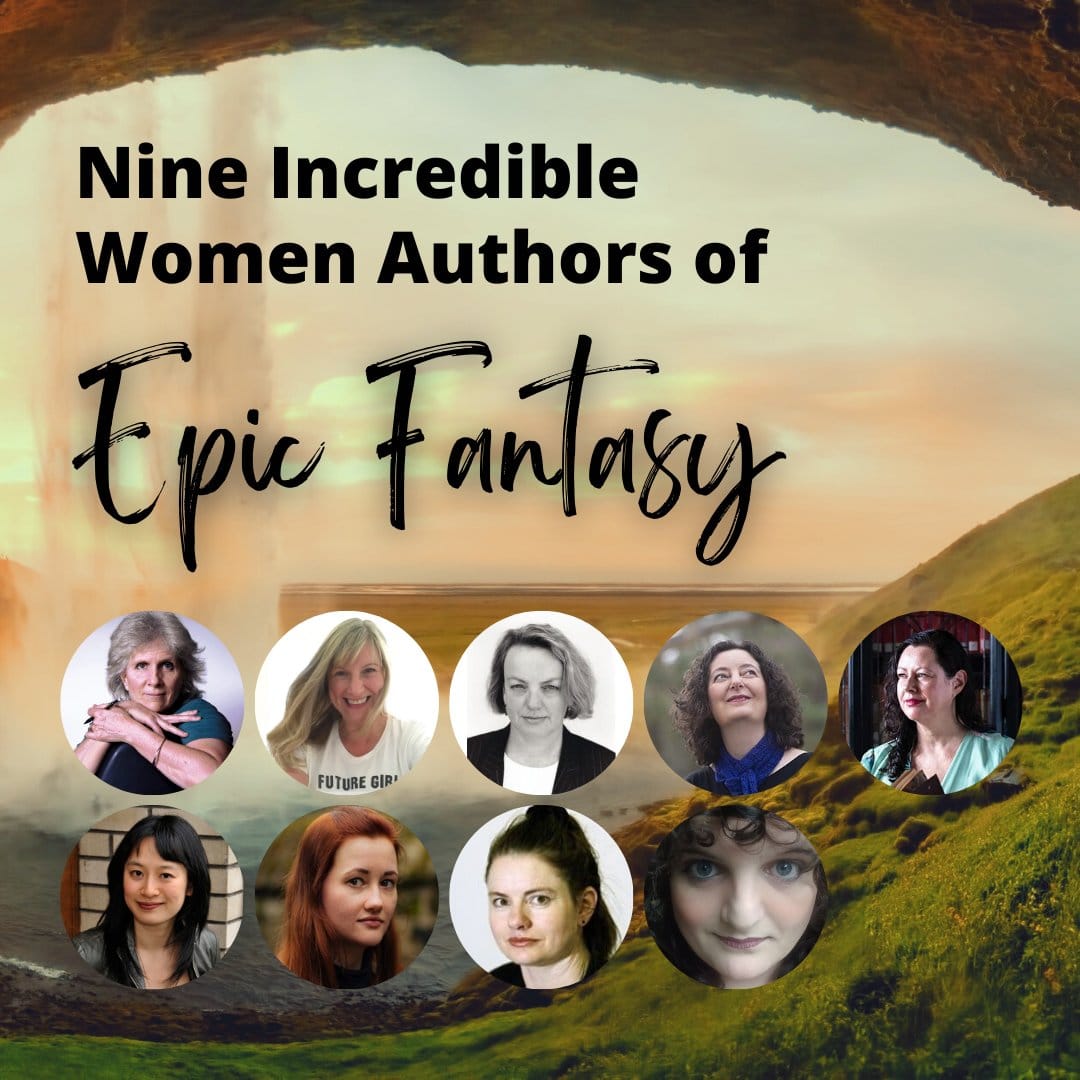
Nine incredible women authors of adult epic fantasy whose works have heavily influenced me (and why you should read their books)
Written by
Delilah Waan
This article was originally posted as a Twitter thread and on my Instagram on 9 March 2024 in celebration of International Women’s Day.
As of 2025, I permanently moved over to Bluesky and effective from 17 January 2026, I have deleted all of my Twitter posts due to the changed terms of service.
Some of my most popular threads, such as this one, I have preserved on my website (with minor edits, for accessibility and ease of reading) for posterity.
There are many, many incredible women writing epic fantasy—far more than I could fit in one spotlight—but here’s a shortlist of nine female authors whose adult epic fantasy works have heavily influenced me, and why you should read their books.
(super late for #InternationalWomensDay2024 but it’s still #WomensHistoryMonth2024 so we’re gonna do this anyway!)
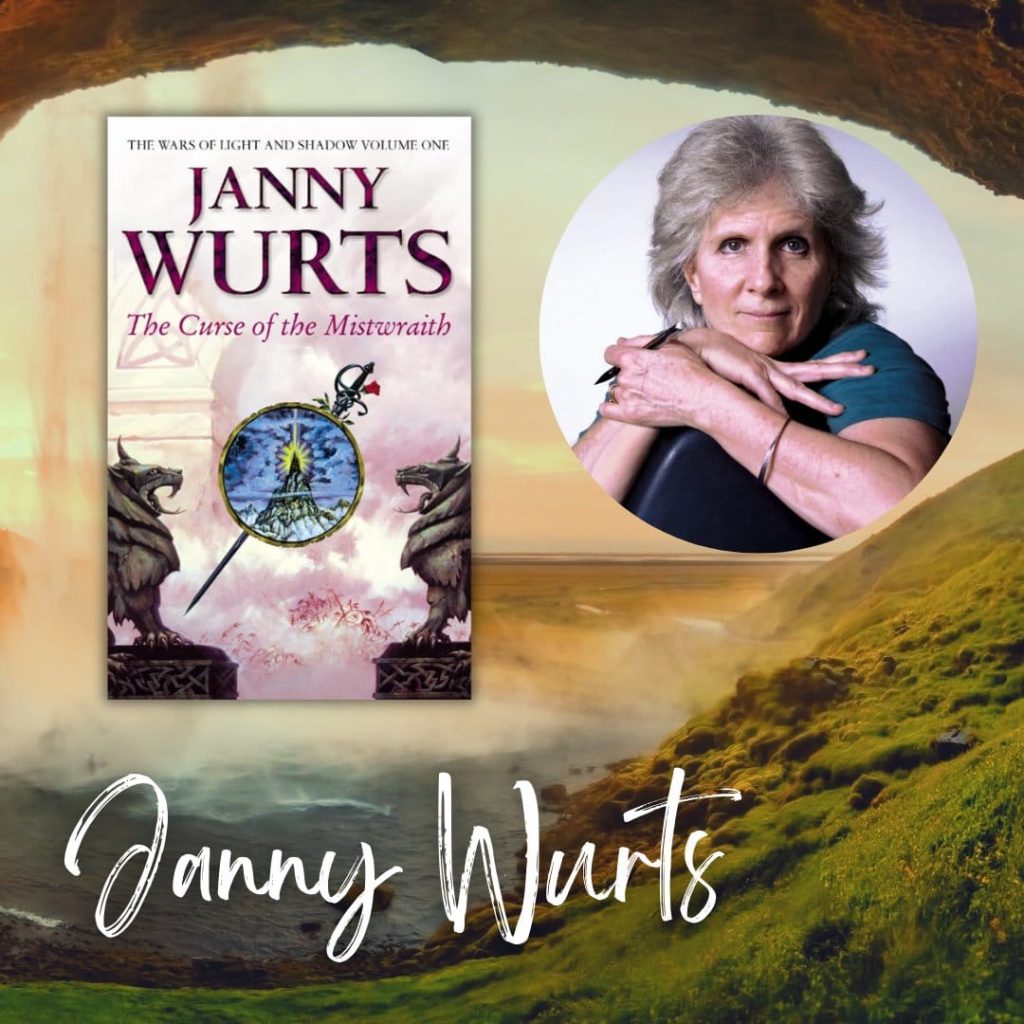
1. Janny Wurts
Brilliant, beautiful prose. Heartwrenching, complex characters. Tight, masterful plotting. Janny Wurts is a GOAT who does it all—including the amazing cover art.
Start with The Curse of the Mistwraith, an 11-volume epic to end all epics, or try one of her standalones: To Ride Hell’s Chasm, Master of Whitestorm, or Sorcerer’s Legacy.
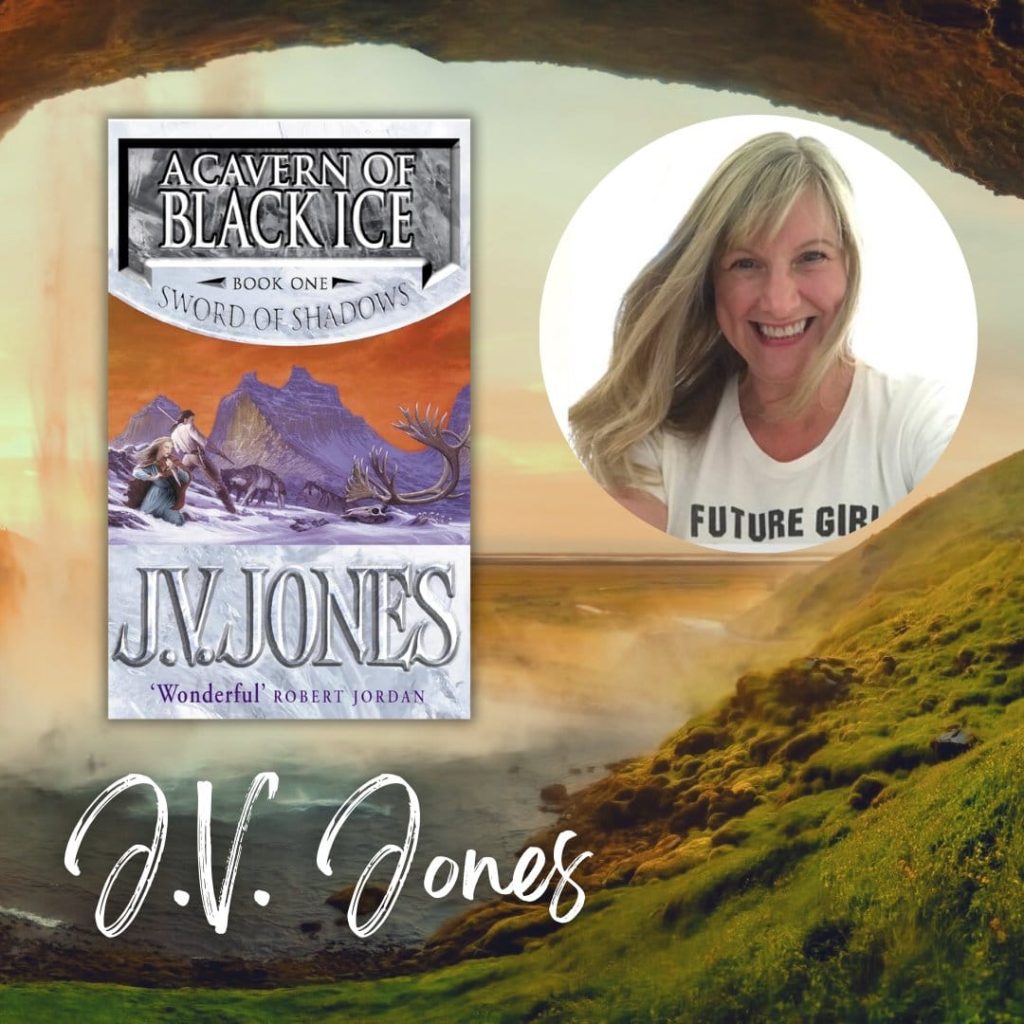
2. J.V. Jones
J.V. Jones writes brutal, dark, character-driven epic fantasy with the best. You like Robin Hobb? You’ll like her stuff.
Get the grimness of The Wall and the looming dread of supernatural harbingers of the apocalypse from George R.R. Martin’s A Game of Thrones in A Cavern of Black Ice.
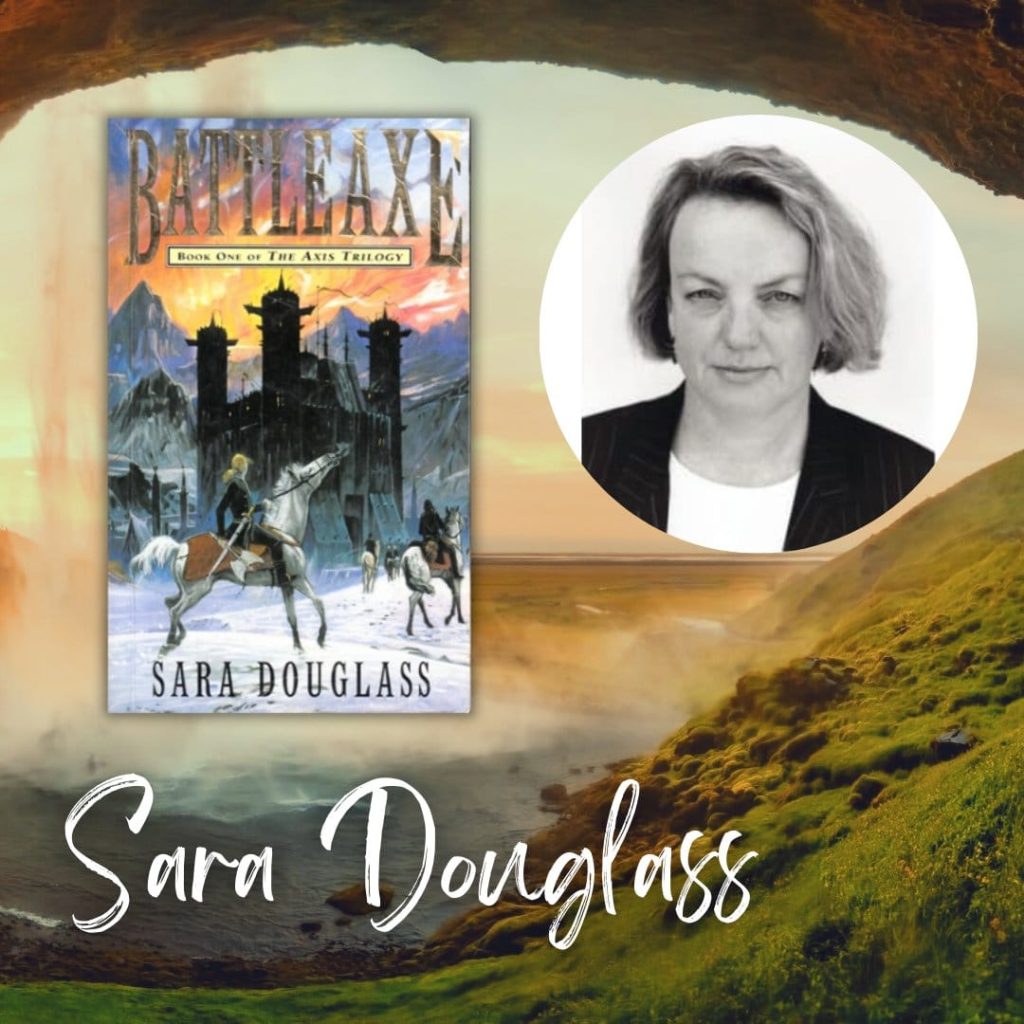
3. Sara Douglass
Sara Douglass is an Australian SFF icon. Her 6-book epic, The Wayfarer Redemption, is technically sci-fantasy overall imo but the first three books (known as The Battleaxe Trilogy) read firmly as epic fantasy.
Love the grand tragedy of Beowulf? Begin with Battleaxe!
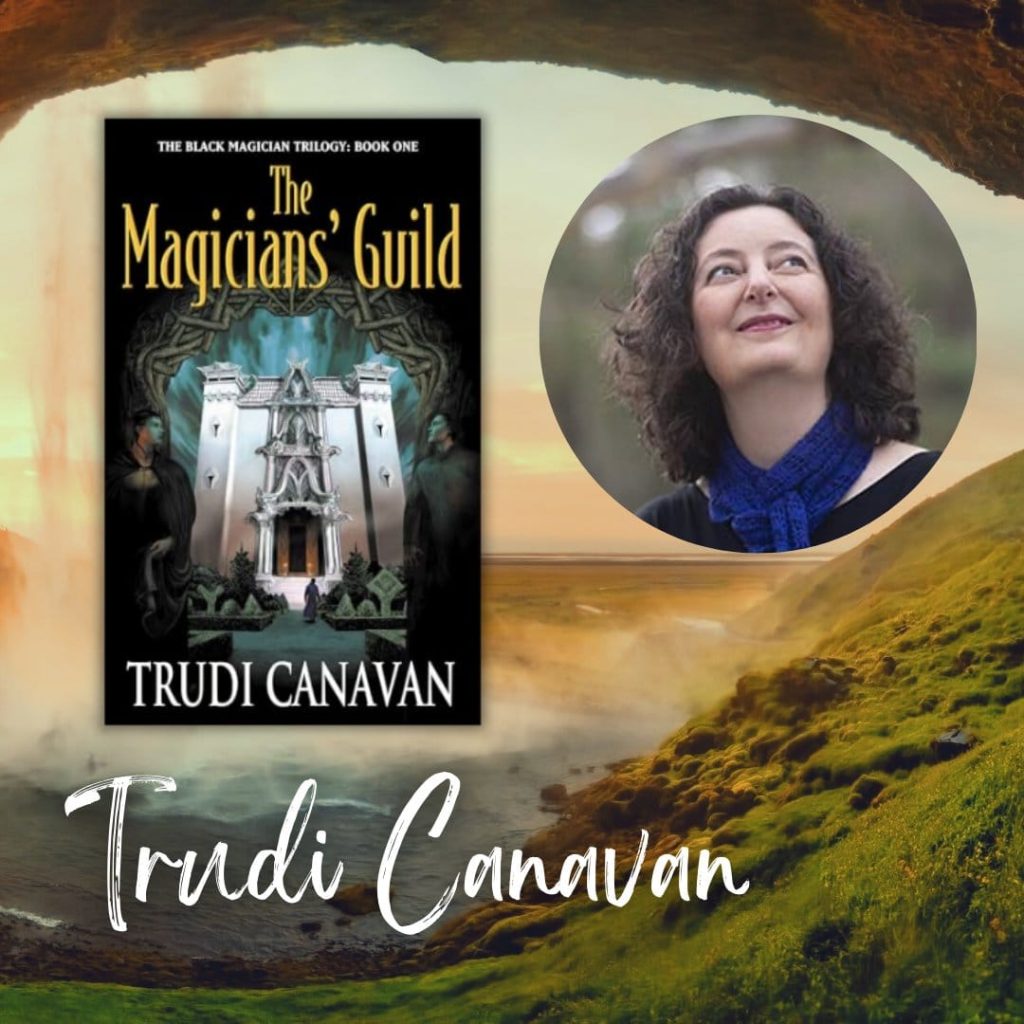
4. Trudi Canavan
I devoured Trudi Canavan’sThe Black Magician Trilogy in high school, finding echoes of myself in Sonea’s struggles.
Start with The Magician’s Guild, or try the standalone prequel, The Magician’s Apprentice. If you’re a fan, you’ll have the sequel The Traitor Spy Trilogy to keep you going.
Also check out the awesome The Age of the Five trilogy, which is probably my favorite of her works!
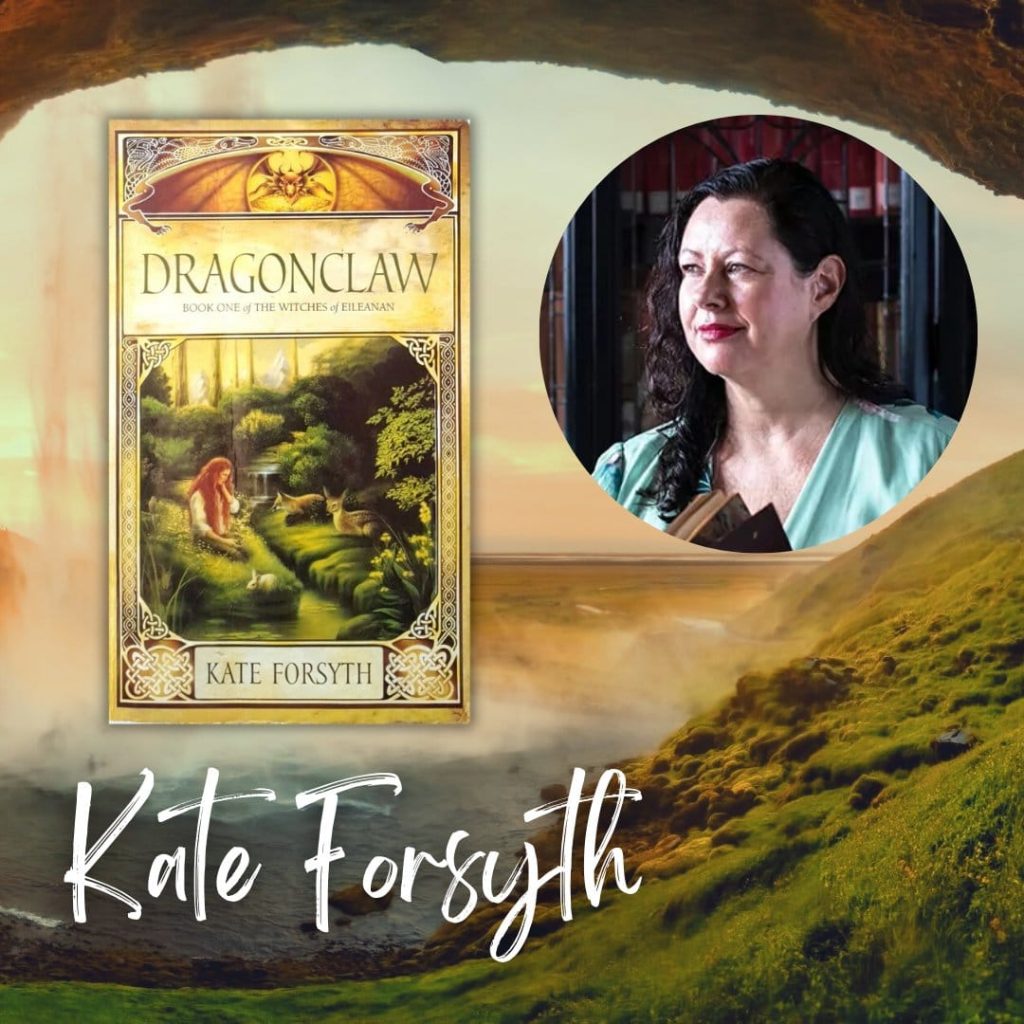
5. Kate Forsyth
I attribute the origins of my love of complex characters you can’t clearly label as good or evil to Kate Forsyth’s writing of Maya in The Witches of Eileanan.
Fascinated by Cersei Lannister? Start with Dragonclaw and meet Maya the Ensorcellor through Isabeau’s eyes.
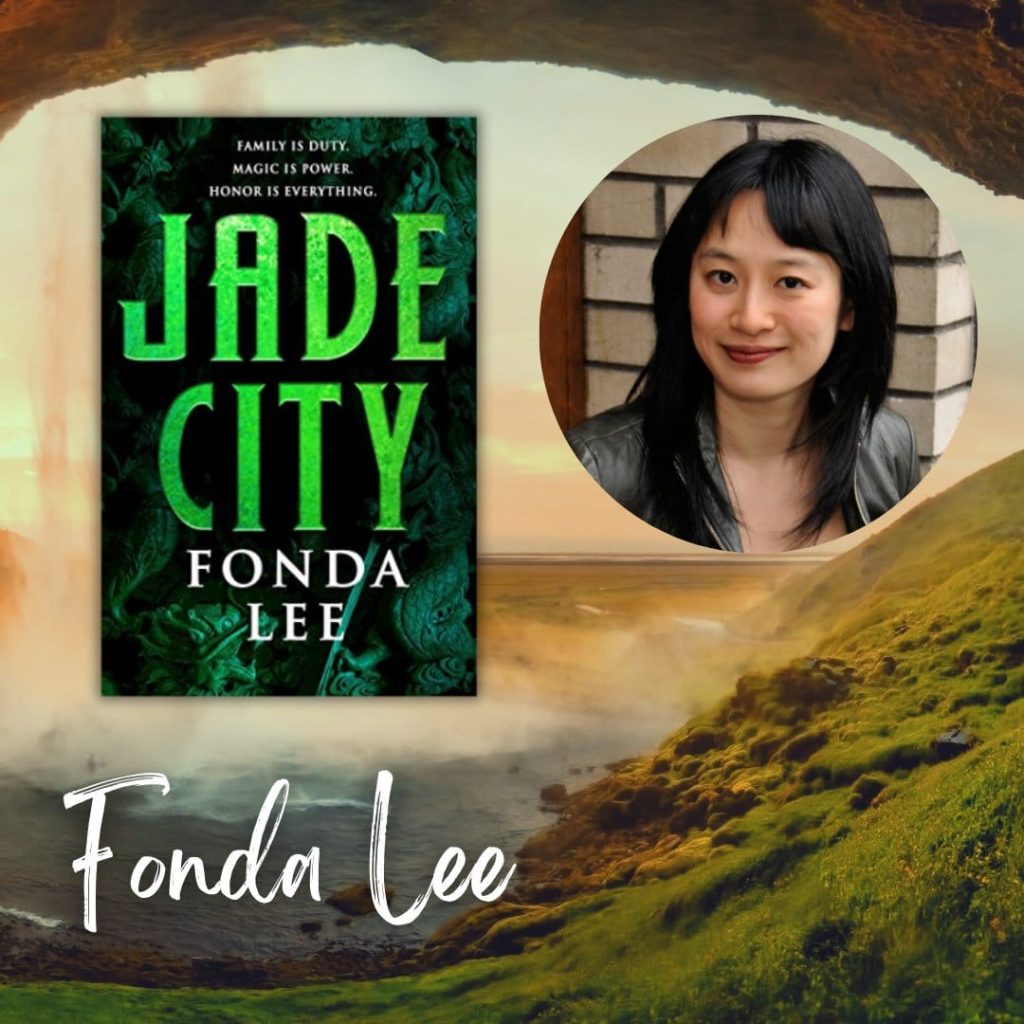
6. Fonda Lee
Fonda Lee writes characters who are strong, flawed, and multi-layered, and hard-hitting scenes that linger in your mind.
Start with Jade City—each book gets better and better. Kaul Shaelinsan is 🔥. Also: Kaul Maik Wenruxian has the best arc and I will hear no arguments.
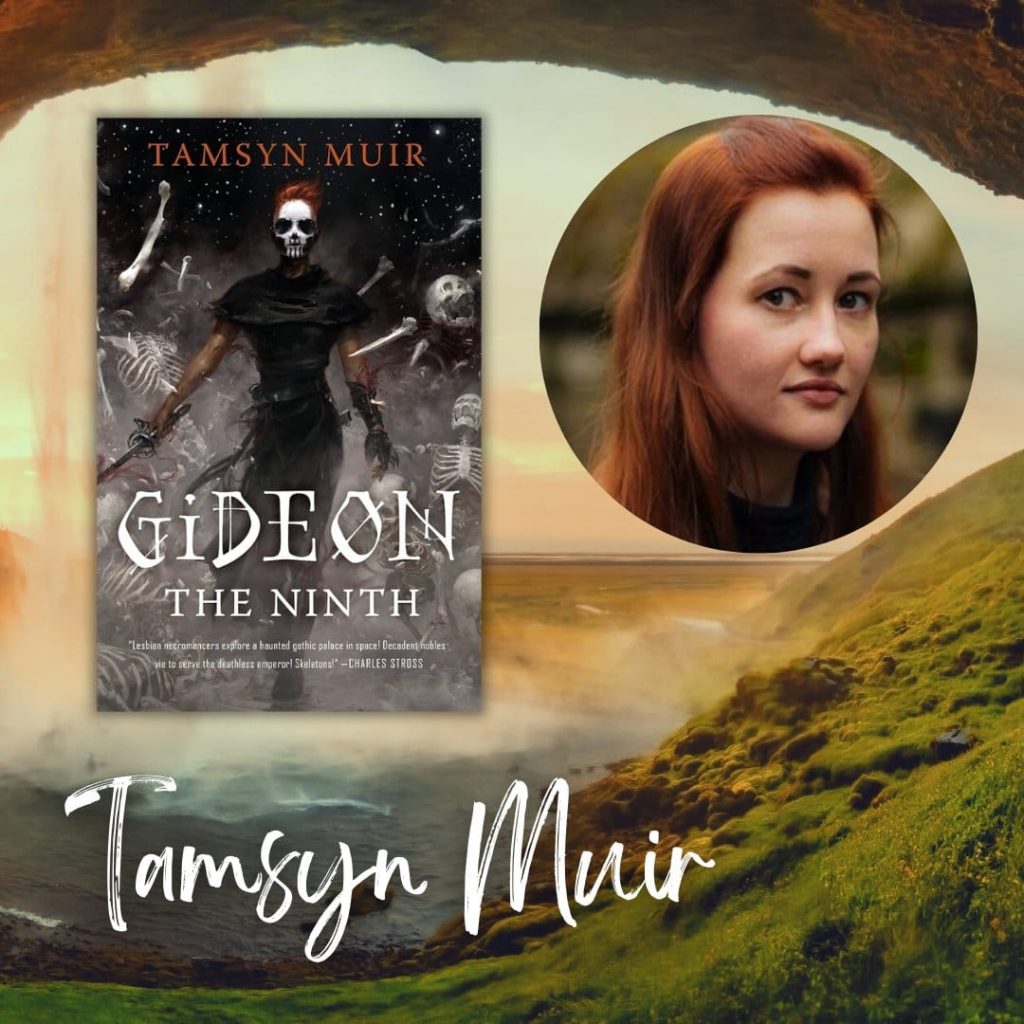
7. Tamsyn Muir
Want insanely imaginative coupled with absolute bloody brilliance and emotional damage?
Read Tamsyn Muir’sGideon the Ninth. Scream. Read Harrow the Ninth. Scream. Reread Gideon, then Harrow, then read Nona the Ninth and just keep screaming and rereading The Locked Tomb with me.
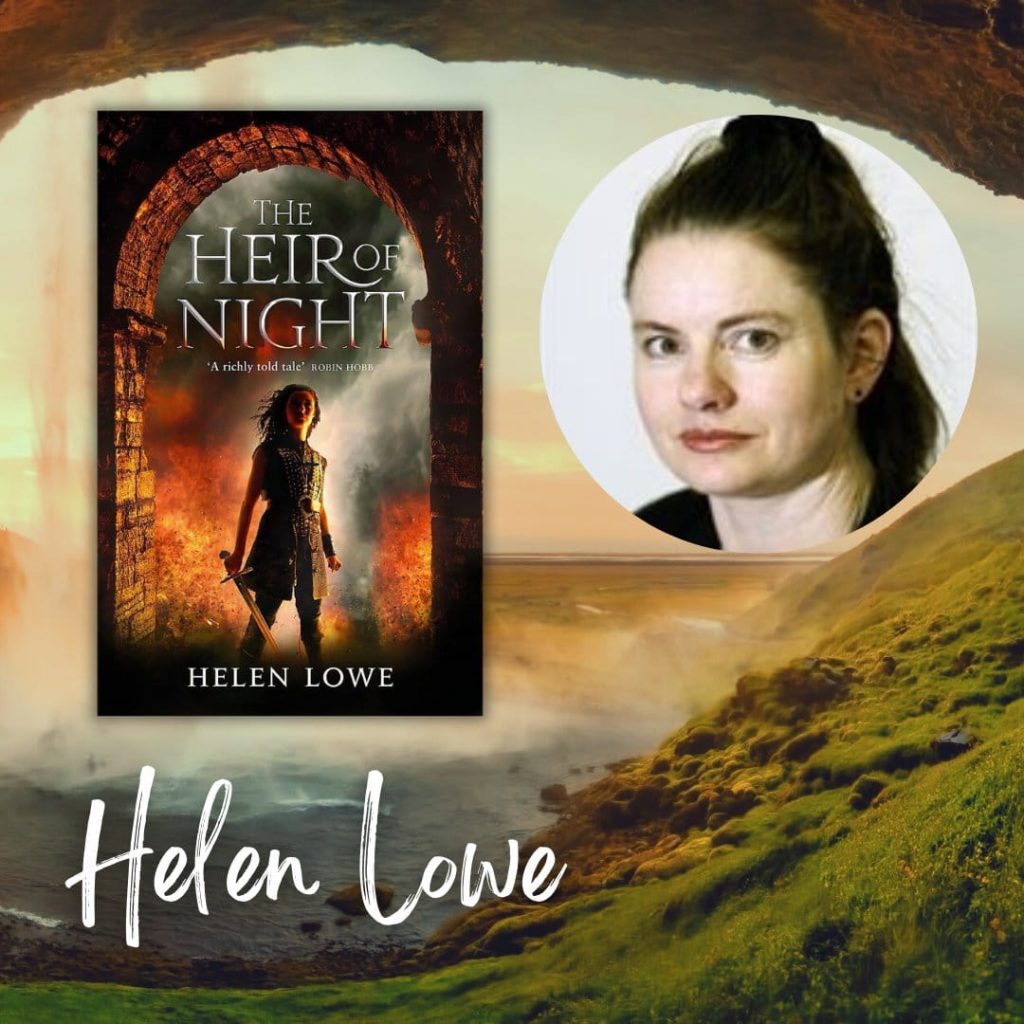
8. Helen Lowe
Helen Lowe writes heroic epic fantasy and is one of the most underrated sci-fi/fantasy authors of today.
Want A Song of Ice and Fire with its grimness tempered by Tolkienesque prose and wonder? Start with The Heir of Night and immerse yourself in the richness of the world of Haarth.
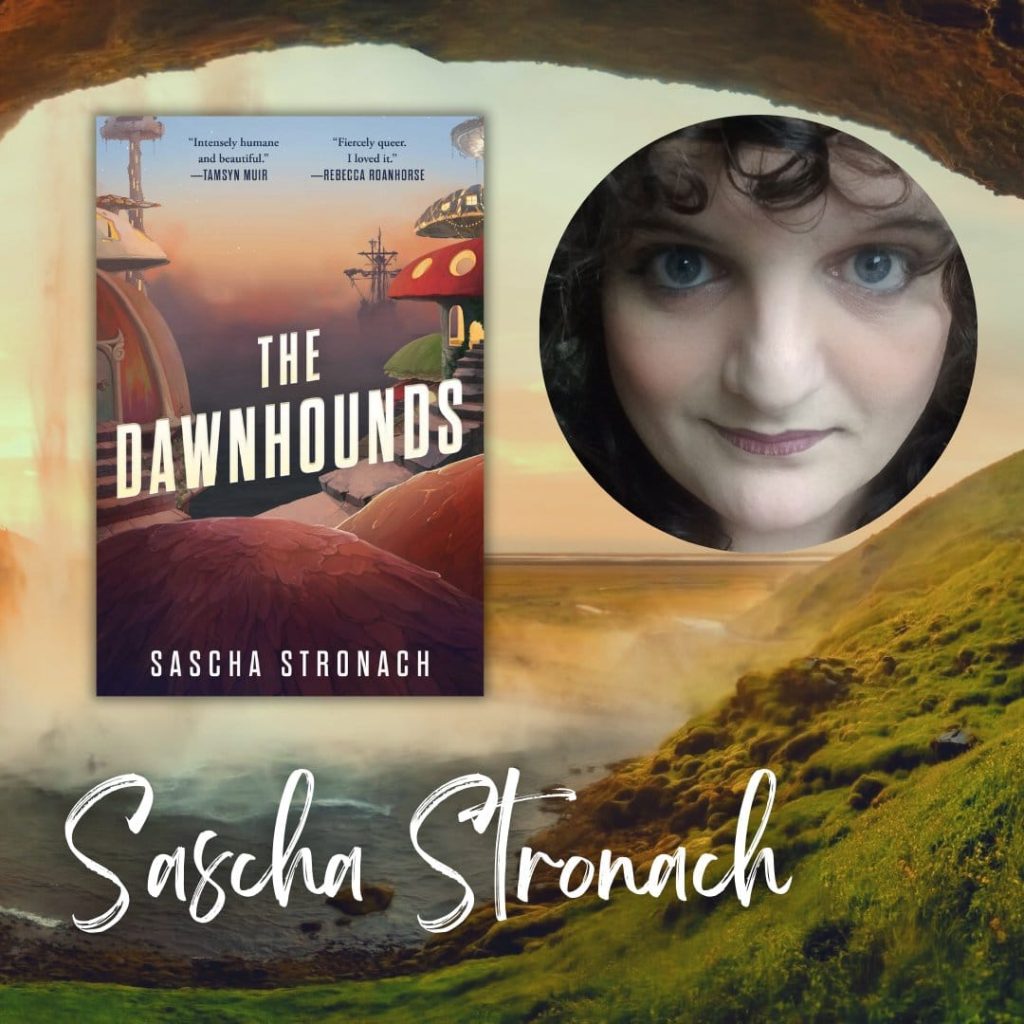
9. Sascha Stronach
Sascha Stronach is a trans Māori author whose self-pubbed debut novel WON a Sir Julius Vogel Award.
The Dawnhounds is post-apocalyptic biopunk queer epic urban fantasy that’s unapologetically Kiwi. You’re welcome.
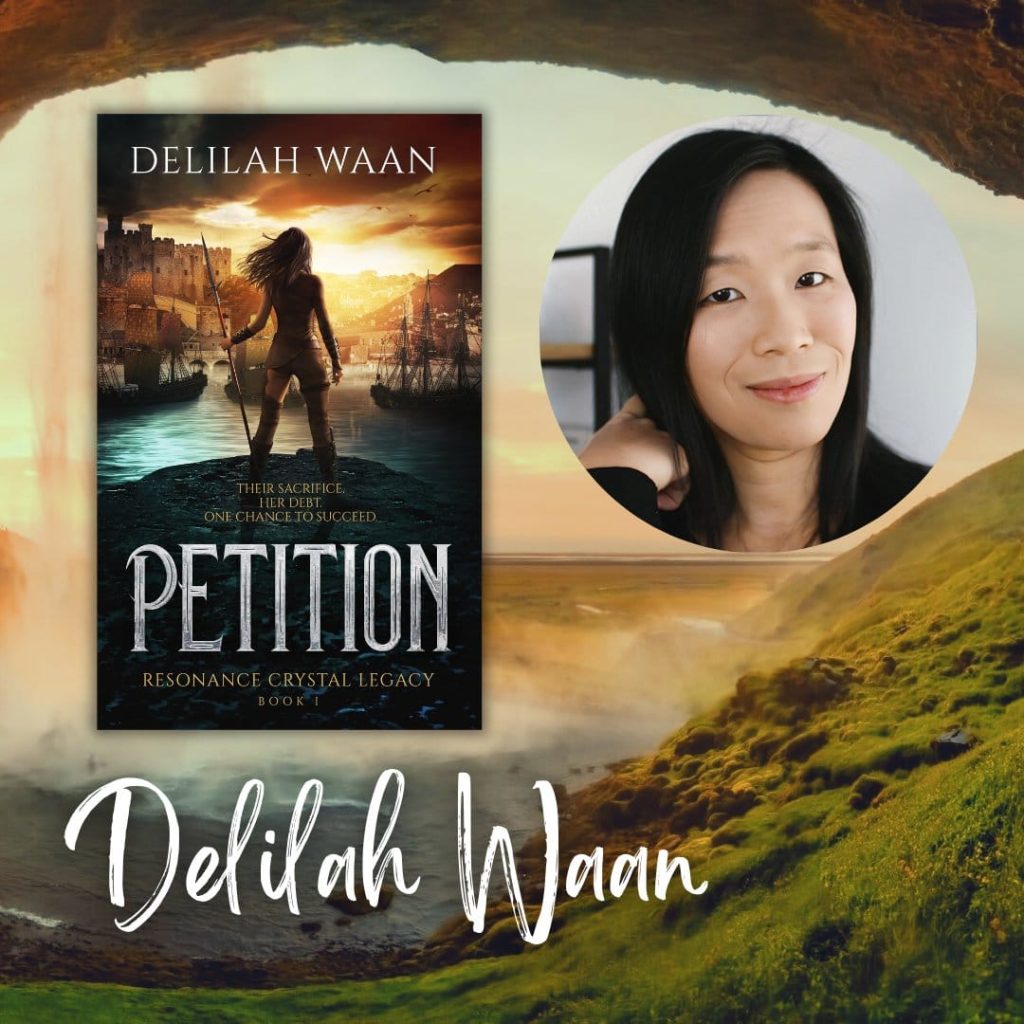
Annnnd hi! I’m Delilah Waan and I write epic fantasy.
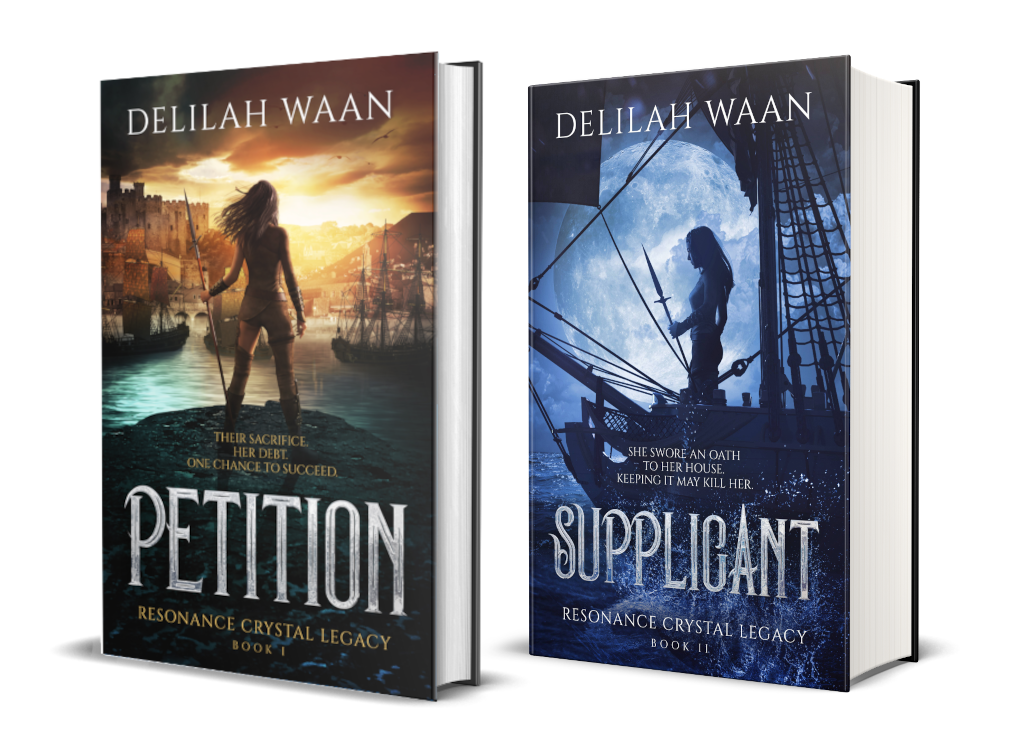
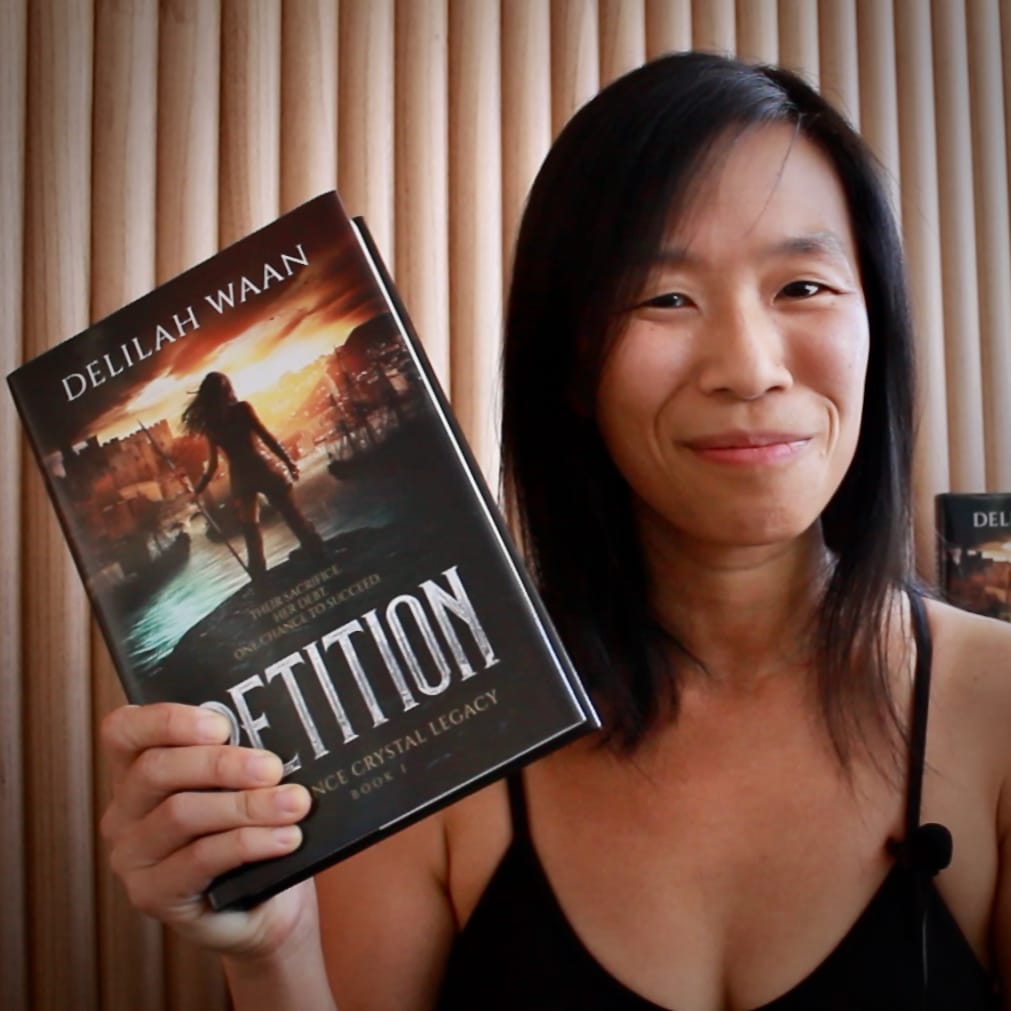
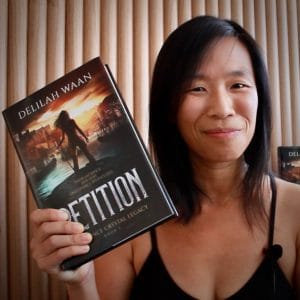
If you want post-magic-school fantasy featuring an angry Asian daughter of impoverished immigrants fighting privileged rich kids in a job hunt tournament, read Petition.
Bonus points if you can spot my influences!
Delilah Waan will forever keep shouting about the incredible women authors of epic fantasy because she is tired of how publishing and the algorithms like to forget they and their works exist.
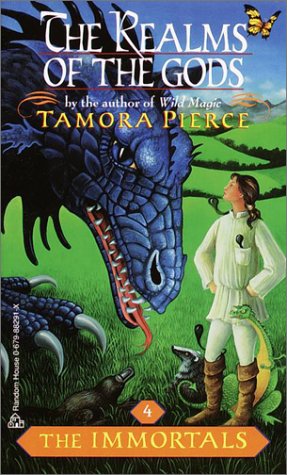
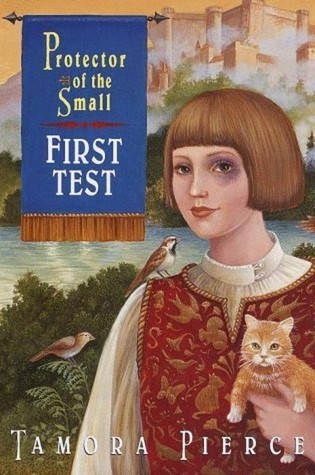
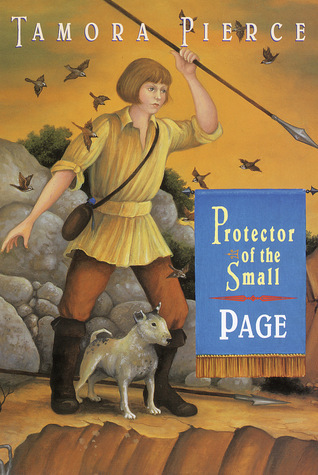
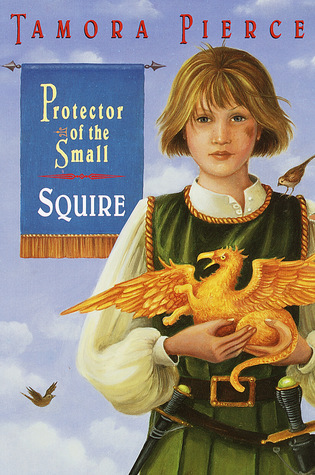
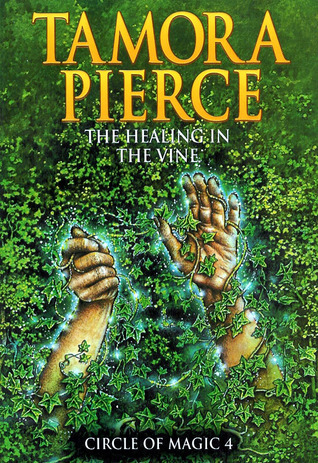
How Tamora Pierce’s stories are inspiring generations
Written by
Delilah Waan
I discovered Tamora Pierce’s books as a girl, in my library, after school.
By then, I had read loads of epic and heroic fantasy…and I had internalized a pattern: boys got to be the Chosen Ones who would ride dragons and defeat evil, while girls—common-born or royalty or exotic foreigner—were merely the pretty (always, always, they were absurdly beautiful) trophies the hero collected at the end.
That sucked.
Here I was, fortunate enough to be born in the 1980s, living in a country and society where women had the same rights as men, demonstrably just as smart and capable as any of the boys in my class but also demonstrably not conventionally attractive. Constantly being bombarded by popular media and teen magazines to only care about “being hot” to “get a guy” and to swoon over boys.
(Because what else was I supposed to do? Have life ambitions that weren’t marriage and children? Pffft! What a waste of a perfectly good womb!)
I hated that. I would retreat into my fantasy books in hopes of finding escape and STILL end up in secondary worlds where all sorts of impossible things are real—except, apparently, for who got to be the hero.
Heroes: Still male. Still white. Still the center of the universe.
The girls: Still perpetuating the same tired Disney-fied gender roles.
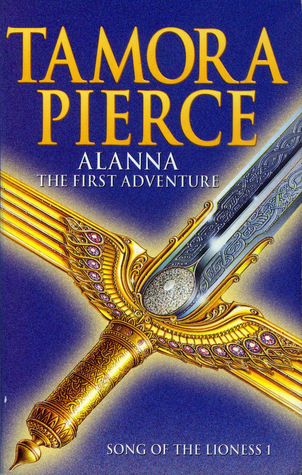
That all changed the day I discovered Alanna: The First Adventure.
(Sidebar: can I just highlight how wonderful it was that the book was subtitled “The First Adventure”? It was a subtle but important word choice I didn’t notice back then, but I appreciate now.)
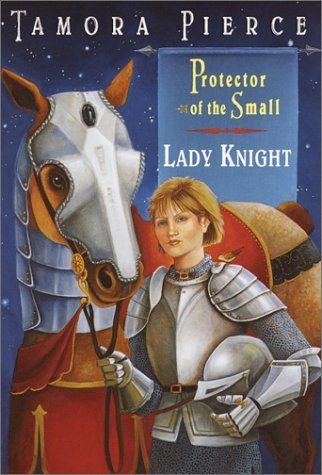
Alanna of Trebond, Keladry of Mindelan, Veralidaine Sarrasri—they proved girls didn’t have to be meek and demure and sit at home waiting for boys and men to save the kingdom. They stepped up when they needed to, and they got the job done.
Tamora Pierce’s books are full of girls with ambitions greater than the roles their society allowed them. Girls who refuse to be limited by their gender. Girls who grow into women who will not be defined by one dimensional labels, like “daughter” or “mother” or “wife”, but who also do not outright reject societal ideas of femininity for the sake of being “not like other girls”.
Pierce also didn’t just handwave away all the inconvenient parts of being born female. Periods got page time—and not as the inciting incident for an arranged marriage plot, or as a plot device to avoid sexual assault! Periods were bloody (hah) and painful (double hah) nuisances that actively interfered with her protagonists’ studying and career opportunities and Alanna and Kel and Daine couldn’t simply snap their fingers and get rid of their periods, no matter how much they wanted to, because that was biological reality so they just had to cope—like I had to cope!—and get on with things.
I idolized all of Tamora Pierce’s female characters. Thayet, Buri, Rosethorn, Lark, Sandry, Tris, Daja—yes, even Berenene. They’re all vivid, fully fleshed, and relatable. I still idolize them, to this very day.
Girls can be heroes. Girls can slay monsters. Girls can adventure to far-off places where boys and men daren’t tread.
Girls do not have to marry the handsome charming prince even when he and the entire kingdom expects it—not even when they’ve been sleeping together, not even when she’s in love with him—because sex is one thing, love is another, and marriage is something else altogether.
Girls don’t even have to end up with anybody at all because women can be happy, leading fulfilled meaningful lives on their own—without any husbands or children, thank you very much.
I don’t think I can understate how influential Tamora Pierce’s works have been on SFF, and how important her books are to me, and countless others. I’ve read pretty much everything she has published, and if there’s one thing I’ve taken away from her books it’s this:
You can’t control who you’re born as. That’s life. The world will try to use that against you, to put limits on who you are and what you can do. That’s life too. Fighting against that is hard—but fighting to become the person you want to be, and fighting to make the world better is worth it.
Thank you, Tammy, for writing your stories. They were exactly what I needed as a girl. Your heroes were the examples that gave me the conviction I needed as a young woman. Your courage to write books with unconventional protagonists is what inspired me to write books from the perspectives that weren’t getting published.
And, some thirty years on from the moment I stumbled across Alanna’s story in my library, your books are still exactly what my daughter needs in her life.
Delilah Waan has read pretty much everything Tamora Pierce has ever published.
She is also the award-winning author of Petition, a story about an angry Asian daughter of impoverished immigrant fisherfolk fighting privileged rich kids in a ruthless job hunt tournament in order to save her family.
If Rahelu ever ran into Alanna, they’d probably wind up in the training yards—magic summoned, weapons drawn, ready to duel—within five minutes of meeting each other.